What Is Lo-Fi Music: Definition, Genre Origins & Sound Qualities Explained
High-fidelity audio is usually the goal, but loFi, short for low fidelity, drifts somewhere else entirely. It’s a sound that actually breathes because of its "faults." We're talking about the grainy static of a dusty record, those heavy, muffled drum loops, and a low-frequency hum that feels like a warm blanket. So, what is lofi music? It’s a stripped-back, nostalgic vibe that picks raw character over any expensive studio sheen. This guide gets into why this "imperfect" sound has taken over and introduces the artists who made chill music a global movement.
What Does LoFi Music Mean?
Defining lofi music's meaning requires understanding its technical core. It’s essentially a fusion of nostalgia and raw productivity, serving as a functional auditory backdrop for millions of listeners.
The Origin of Lo-Fi Music
Back in the day, "Lo-Fi" wasn’t a subculture. It was just a technical failure. Anything featuring hiss, hum, or distortion was tossed aside as flawed. Even the 1976 Oxford English Dictionary dismissed it as audio that simply failed to meet "high fidelity" standards.
That narrative shifted throughout the 1980s and 90s. Indie artists and home-studio tinkerers started leaning into those rough edges. They realized the warmth and grit of imperfect audio felt more honest than a polished studio track. This pivot turned "bad sound" into a deliberate aesthetic, creating the relaxed, soulful vibe we now call Lo-Fi music.
Features of Lo-Fi Music
Lo-Fi might seem a bit basic when you first hear it, but that’s the whole point. It trades a professional finish for a handful of specific, "gritty" traits that make it stand out:
-
Intentional imperfections: Think of things like vinyl pops, tape hiss, and static. These aren't mistakes; they’re the "secret sauce" that gives the music its warm, cozy soul.
-
DIY style: Most of this stuff is cooked up in bedrooms using whatever gear is laying around. This gives it a raw, "lived-in" texture.
-
Unrefined performance: A tiny slip in the rhythm or some random background noise makes the track feel human. It sounds like a person made it, not a piece of software.
-
Relaxed, nostalgic mood: It’s basically an auditory escape, perfect for when you need to zone out, study, or just decompress after a long day.
-
Simple, steady rhythms: The drum loops are consistent and low-key. They act as a reliable heartbeat that keeps the track moving without demanding your full attention.
Lo-Fi Music vs Hi-Fi Music
-
Sound Quality and Detail: Hi-Fi is all about that clinical, lab-grade clarity where every note is scrubbed clean. Lo-Fi, however, leans into the "mess." It uses analog warmth and fuzz to create a sound that feels a lot more personal and less sterile. It uses an equalizer to dial back the polish, trading those high-end sparkles for a warm, fuzzy tone that feels a lot more personal.
-
Listening Experience and Mood: Hi-Fi is for when you want to sit down and catch every single detail. Lo-Fi is the opposite. It’s meant to live in the background while you’re busy doing other things.
-
Production Style: Hi-Fi requires expensive rooms and elite engineering. Lo-Fi is about the "vibe" and the moment, choosing raw emotion over technical perfection every single time.
The Aesthetics of LoFi Music
It’s not just about the audio. The visuals do a massive amount of the heavy lifting. We’re talking about those grainy 90s anime loops, pastel bedrooms, and the soft glow of a desk lamp. This whole aesthetic often triggers "anemoia," that strange, nostalgic ache for a time you never actually lived through. When you mix those muted colors with the warm crackle of the music, you get a full sensory vibe that’s impossible to replicate with a standard digital file.
Benefits of Listening to LoFi Music
Lofi isn’t just some cozy aesthetic. It’s a functional hack for getting through the day. It’s the background noise that actually works, keeping you grounded when your brain feels like it’s starting to redline.
Reduce Anxiety and Promote Relaxation
Think of these muffled beats as a buffer against a chaotic day. The analog fuzz and slow tempo help dial back the mental clutter and quiet a racing mind. It’s the most straightforward way to unburden your brain once you’re finally off the clock.
Increase Brain Activity and Concentration
The real win with it is seeing it as lo-fi study music. Because the rhythms are steady and lack jarring vocals, they create a "flow state" that drowns out distracting office chatter or street noise. Using wireless headphones to create a personal audio bubble lets you stare at a screen and focus on the task at hand without your brain hunting for the next distraction.
Enhance Sleep Quality
Running Lofi at night is about killing the silence that keeps you awake. If you’ve been looking into using audio to get to sleep faster, the repetitive, low-stakes sounds of Lo-Fi act as the perfect mental cue. It’s a low-effort ritual that helps you drift off faster and actually stay asleep.
Popular Lofi Music Artists
The scene is packed with creators, but a few heavyweights actually make it what it is today, and some modern artists are still keeping that spirit alive. Understanding these names is the fastest way to figure out which specific lofi "flavor" you actually dig.
1. Nujabes
Think of Nujabes as the movement’s godfather. He was a Japanese producer who didn't just mix beats; he essentially married soulful jazz with hip-hop. His work shifted the entire landscape, making "atmospheric" music a global phenomenon. If you want to understand his reach, spin his album Modal Soul. It’s the definitive blueprint for that bittersweet, moody vibe that still dominates the scene today.
2. J Dilla
The Detroit legend J Dilla flipped the script on rhythm. He ditched robotic, "perfect" timing for hand-played drum patterns that felt loose and human. His records, like Donuts, proved that short, dusty loops could carry more weight than a massive studio production. His "unquantized" style is essentially the DNA of modern lo-fi.
3. Tomppabeats
Tomppabeats skips the filler. He’s famous for "micro-tracks" but still feels incredibly heavy. No shiny production here, just dusty vocal clips and lo-fi piano. It’s the ultimate minimalist soundtrack for when you want something that feels more like a private diary entry than a studio record.
4. Aso
Aso is the one to follow if you’re looking for that smooth, soul-heavy end of the genre. He avoids the generic and instead leans into jazz influences that make a track feel warm and lived-in. When you put on songs like Seasons or Snug, you’re getting more than just background; you’re getting melodic snapshots that perfectly capture a slow, quiet afternoon.
5. Idealism
If your vibe is rain-soaked windows and late-night walks, Idealism is the answer. The tracks are all about "negative space" and atmosphere, usually featuring soft piano that feels like it’s drifting through a quiet city. It’s the ultimate kit for a deep study session where you need zero distractions.
How to Enjoy Lo-Fi Music for Relaxation or Enhanced Focus
To actually make these beats work for you, you’ve got to match the music to your environment. It’s not just about hitting play; it’s about setting a scene that lets you lock in or zone out without trying too hard.
1. Choose The Right Environment
Lo-Fi is a vibe, but it can’t do all the heavy lifting. Dim the lights and clear the junk off your desk. When everything around you clicks together, your brain doesn't have to fight for focus, making that transition into a "flow state" a lot faster.
2. Use Right Headphones or Speakers
You want the music to blend into the room, not overpower it. This is where your hardware matters. Since Lo-Fi is packed with retro tape textures and subtle crackles, you need gear that handles those frequencies without sounding harsh.
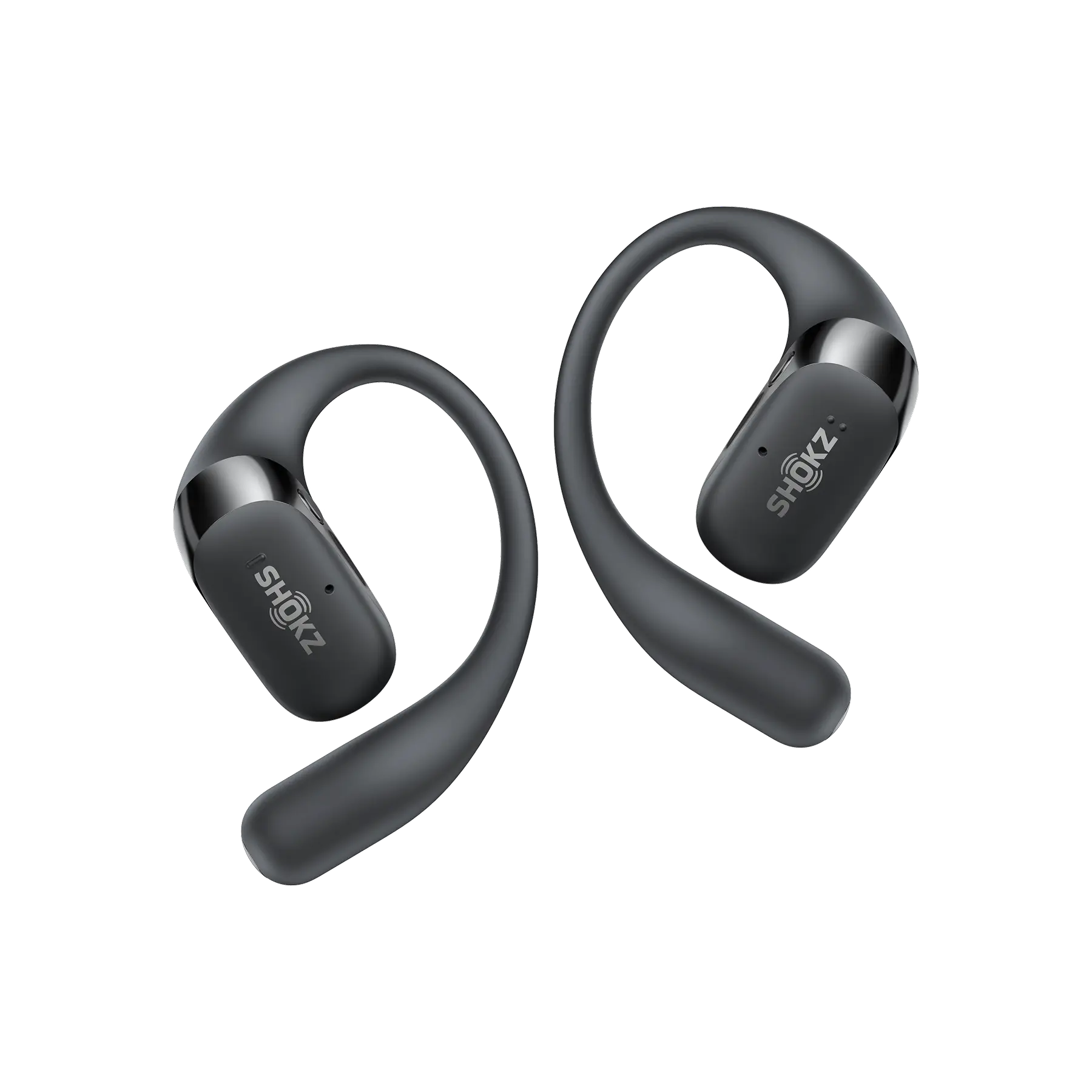
Shokz OpenFit 2+ is a solid shout here. Because they don’t plug your ears, the music feels more like it’s floating in the air around you rather than being pumped into your skull. This open-ear design perfectly mimics the "non-disruptive" feel of a Lo-Fi playlist. Plus, they’re light enough that you won’t even feel them during a three-hour study grind or a long wind-down session.
3. Set The Right Volume
A huge mistake is cranking it too loud. Lo-Fi isn't meant to be the main event; it’s the background hum. Keep the volume around 30-40% of your device’s max and make it stay behind your thoughts, acting as a steady heartbeat for your tasks rather than a distraction.
4. Try Different Lo-Fi Styles
Your mood should dictate the beat. If you’re feeling sluggish, hunt for "Chill-hop" with punchier drums to get your heart rate up. If you’re on the edge of a burnout, pivot to Ambient Lo-Fi with heavy rain samples and long synths to help you decompress.
5. Set Time to Enjoy
Think of a Lo-Fi album as a rhythmic clock. Try the "one album, one task" rule. Commit to working until a specific 30-minute tape ends, then take a break. It turns the music into a clear signal for your brain to switch gears between deep work and total rest.
FAQ
1. What genre is lofi beats?
Most call it lofi hip-hop or chillhop. It’s all about instrumental loops and grainy textures. You’re not listening for a catchy chorus; you’re listening for a steady, reliable rhythm that stays out of your way.
2. Is lofi music healthy?
It’s not a prescription, but it’s a massive help for taking the edge off. The low-stakes tempo helps quiet the mental static that builds up during a long day. It can be an easy way to keep your head above water when work or school starts feeling like a grind.
3. Does lofi music have lyrics?
Not really. You might catch some fuzzy vocal bits or chopped phrases, but they aren’t there to tell a story. Think of them as just another instrument. They’re purely for texture, helping set the vibe without ever demanding you pay attention to the words.
4. What makes a sound lofi?
It’s more than just "low quality." The whole point is to create a sound that feels soft and lived-in. Producers actually go out of their way to make things sound less polished, adding a layer of warmth that feels more human and personal than a sterile, perfect studio recording.
5. What to do while listening to lofi?
Lofi is for the "gap-filler" parts of life that usually feel like a drag. Think mindless stuff, folding laundry, meal prepping, or just killing time during a messy commute. It turns those boring chores into a background blur, helping you stay in your own zone.
Conclusion
You understand what lofi music is now. At this point, the best thing to do is just try to start listening. There’s no right or wrong way to use Lo-Fi. You might stick on a rainy-night track while you’re stuck doing chores, or find some jazz-heavy beats for the walk home. Just find a playlist that feels right and let it do its thing in the background.
Author Information

guides on Shokz
Related Posts