Jogging for Beginners: Easy Start to a Healthier Lifestyle
Beginning a jogging routine can feel daunting. Common worries include losing steam too early or risking an injury before finding a rhythm. That is why a reliable jogging plan for beginners matters. It builds stamina without overtaxing the body. This guide explains the core benefits and prep work needed. It offers a straightforward approach to help you hit your fitness targets safely and consistently.
Benefits of Jogging
For anyone starting a jogging plan for beginners, seeing these body changes and benefits is what actually makes the habit stick.
1. Build Muscle and Bone Strength
Jogging puts a constant load on the lower body. That regular impact is exactly what builds bone density and keeps the skeletal system resilient. It is a practical way to stay mobile and strong as the years pass.
2. Strengthen The Immune System
Moderate aerobic sessions keep the blood pumping. This movement helps immune cells travel through the system faster, giving the body's natural defences a better shot at fighting off common bugs.
3. Better Sleep
Tiring the body out during a jog helps reset the internal clock. It usually leads to falling asleep much quicker and staying in that restorative, deep sleep phase for longer.
4. Help with Weight Management
Jogging handles caloric burn very efficiently. When paired with decent eating habits, it creates the energy gap needed for fat loss while keeping the metabolism sharp.
5. Stress and Anxiety Relief
A run on a local Canadian trail is the fastest way to clear the head. The endorphins handle the heavy lifting for stress relief, especially after a long shift or a cramped winter commute.
What Do You Need before Starting Jogging?
Preparation is the bridge between a painful first outing and a successful training session. Before you ask, "How can I start jogging?", looking into how to kick things off, you need to verify your kit can actually handle the training.
1. Purchase A Quality Pair of Running Sneakers
To stay injury-free, you must pick the right running shoe, one that fits your specific arch and offers the proper support. You want enough cushioning to soak up the hit from the concrete. That’s the main way to save your joints and stop shin splints before they ruin your week after jogging.
2. Choose Comfortable, Sweat-Wicking Clothing
Forget about cotton. It holds onto water, stays cold, and causes nasty chafing. Go for technical fabrics that move sweat off the skin. This is huge for layering, particularly when Canadian spring or autumn weather starts acting up.
3. Prepare Hydration and Light Fuel
Water is a requirement even for the shorter loops. Carry a handheld or map out a path near public fountains. If you’re planning to be out longer, a piece of fruit or a simple granola bar prevents that mid-run crash.
4. Optional Tech to Promote Your Performance
Smartwatches or apps are great for keeping tabs on heart rate and pace. It’s the best way to see real progress and stay motivated. Plus, since jogging for a long time can get a bit dull, having music or a podcast helps keep the rhythm.
However, the problem with regular buds is that they tend to slip once you start sweating or hitting a faster pace. Even worse, blocking out the world on a suburban street or a busy trail is a massive safety risk. That’s why many runners prefer Shokz earbuds, which keep your ears open to surrounding sounds while delivering clear audio.
Shokz OpenRun Pro 2: These are built for the bounce. The wrap-around band doesn't budge, no matter how much you move. They carry an IP55 rating, so they can handle heavy sweat. Because of the bone conduction, your ears stay open. You hear the traffic or other people while the audio stays sharp.
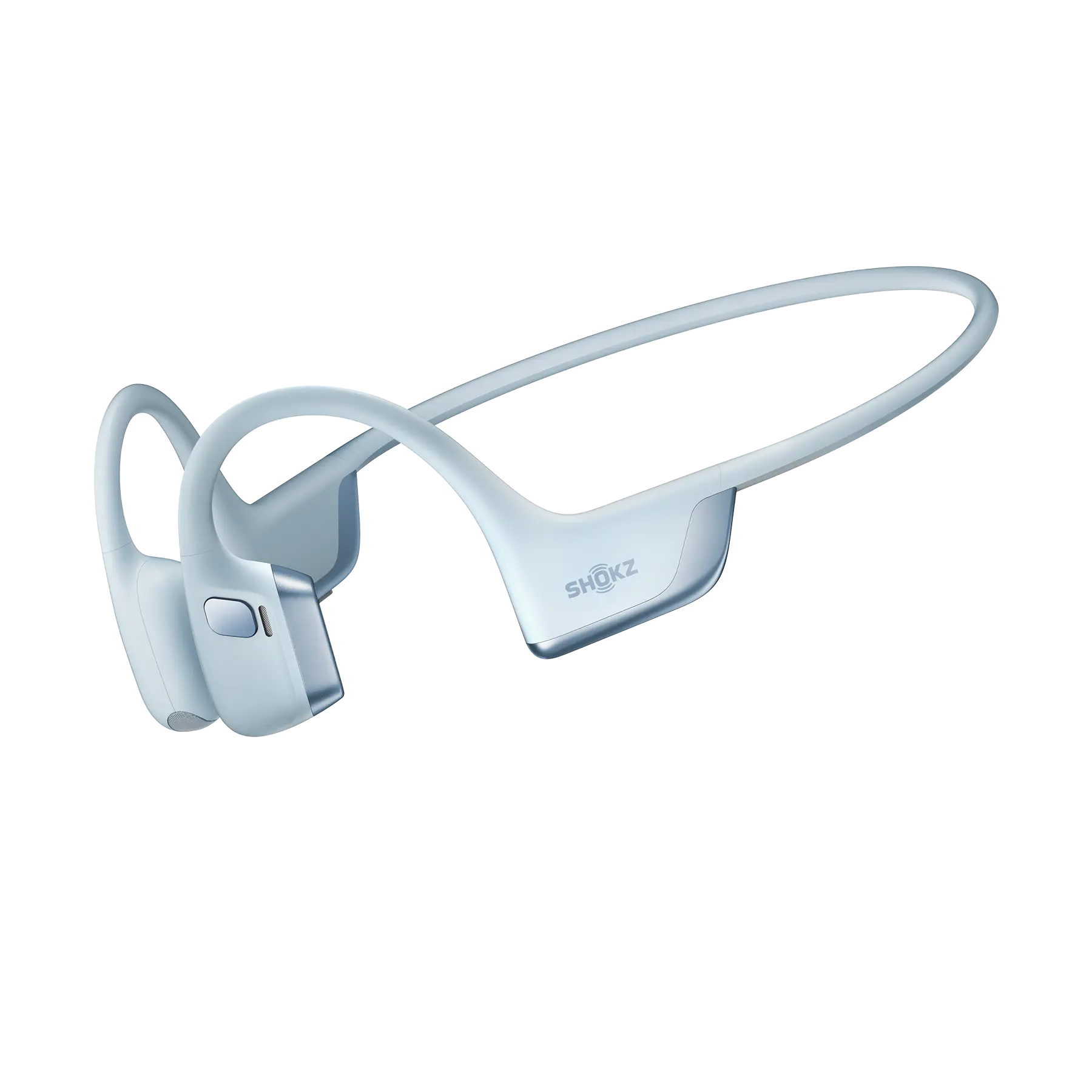
Shokz OpenFit 2: A lighter, more subtle choice if you don’t want the full headband. These hook over the ear and stay put with a "barely-there" feel. You still get that situational awareness and IP55 protection. They’re a solid pick for someone who wants gear that works just as well for a commute as it does for a workout.

How to Create A Beginner Jogging Plan
A functional jogging plan for beginners shouldn’t focus on top-end speed; it’s all about laying down a base that won’t crumble after the first week.
1. Set Clear Goals
Pick an actually doable win. To make sure your goal fits you, think about how active you’ve been recently and how much time you can realistically commit. For a running beginner, you can try a complete three 20-minute "run-walk" sessions per week. Having that target is what keeps you focused and also helps build a routine.
2. Decide Weekly Frequency
Showing up matters more than how hard you push. Aim for 3 or 4 runs a week, but keep them spaced out. This gives you a real fitness boost while letting your legs recover before you go out again. Just keep it steady; that's the only way to make the habit actually stick.
3. Start Slow, Increase Gradually
Follow the "10% rule." Never increase your total weekly mileage or duration by more than 10%. This conservative approach is the best way to avoid common overuse injuries and ensure your joints stay healthy as your stamina begins to improve.
4. Plan Rest Days
Rest isn’t just downtime. It is actually when the strengthening happens after the hard work is over. You need to pencil in at least one or two full days off every week. This gives your muscle fibers a chance to fix themselves, grow back tougher, and get ready for the next challenge you have lined up.
5. Track Progress
Keep a basic log of your total distance, the time spent, and a quick note on how you actually felt. Seeing your steady improvement over a few weeks provides a massive mental lift. It acts as solid proof that your new habit is sticking and that all that effort is finally paying off.
6. Make a Beginner 4-Week Jogging Plan
-
Week 1: Walk–Jog Intervals – This is just about waking up the body. Jog for 1 minute, walk for 2 to recover. Keep that cycle going for 20 minutes and don't worry about the pace.
-
Week 2: Extend Jogging Time – Flip the script a bit. Try 2 minutes of jogging and 1 minute of brisk walking. The goal here is controlled breathing, not gasping for air.
-
Week 3: Build Endurance and Stability – Start testing your muscle memory. Go for 5-minute jogging blocks with a 2-minute walk to reset. Keep your posture upright and your core steady.
-
Week 4: Jog Longer at a Steady Pace – See what your body can do. Aim for a continuous 15–20 minute jog. You should be at a "talk test" pace. If you can’t speak a full sentence, you’re going too fast, slow down.
Tips and Precautions for Jogging Beginners
Staying safe is the only way to make sure this habit actually sticks. Listening to your body and getting prepped properly matters just as much as the actual sweat you put in on the pavement.
1. Stretch Your Muscles before and after Jogging
Get your blood moving with some leg swings and hip circles before you even start the run. It wakes up the muscles so they’re ready for the impact. Save those long, reaching stretches for the end of the session. That’s the best way to stay flexible and keep that heavy stiffness from setting in the next morning.
2. Build up Your Distance Slowly
It is tempting to push further when you get a sudden burst of energy, but stick to the plan. You should build up your distance step by step. You have to give your whole frame time to catch up so you don’t end up with a strain.
3. Run with A Buddy
Linking up with a local running club or a friend makes it a social thing and keeps you honest. It’s also way safer when you’re checking out new forested trails or quiet routes around your Canadian neighbourhood.
4. Listen to Your Body
You need to know the difference between "good" workout soreness and "bad" injury pain. If something feels sharp or off, just stop. It is way better to miss a single afternoon than to be stuck on the couch for a month.
FAQ
1. What is the 5 4 3 2 1 running method?
It’s just a simple countdown to keep you from getting bored. You jog for 5 minutes, then 4, and so on, all the way down to a 1-minute push. As the timer drops, you try to pick up the pace slightly. You take a bit of a walking break between those sets to catch your breath.
2. How to jog correctly for beginners?
After preparing the essential gear, focus on improving running posture by engaging your core and keeping your shoulders relaxed while running. When you’re moving, keep your head up and look at the path, not your toes. Try to land lightly on the middle of your foot. Don’t take giant leaps. That’s just asking for a knee injury. Keep it short and easy.
3. What are common jogging mistakes?
Here are a few common mistakes for beginners to watch out for:
-
Wearing the wrong shoes: Using worn-out or flat shoes can lead to discomfort and injuries.
-
Skipping warm-ups: Rushing out the door without warming up increases the risk of muscle strains.
-
Neglecting form: Maintaining good running form is more important than speed, especially for beginners.
-
Inconsistency: Running irregularly can make you more prone to injuries. And also makes it harder to build a habit.
4. How do I start jogging if I am unfit?
Just walk. Get out for a brisk 30-minute walk every day until it feels like no big deal. Once you aren't huffing and puffing, try tossing in a few 30-second jogs during the walk. Don’t rush it; even the best runners in Canada started with those same slow steps.
5. Can I lose weight by jogging 30 minutes a day?
30 minutes of jogging burns through a good chunk of calories. If you eat a bit better and combine it with strength training, it’s a solid way to drop some weight.
Conclusion
Sticking to a jogging plan for beginners is really just the best way to get your energy back and strengthen your heart. If you grab some decent shoes, stick to the four-week build-up, and do proper warm-up and stretching, those first few tough runs will start to feel normal pretty quickly. Whether you’re hitting a local trail or just doing laps around the block, the main thing is just to keep moving. That's where the real win is.
Author Information

guides on Shokz
Related Posts