Top Winter Jogging Gear to Keep You Active and Warm
The real struggle of a winter run usually kicks in before you even open the front door. You may wonder: How do you dress so you aren't shivering during the first mile, but also aren't dripping in sweat by the third? Good winter jogging gear isn't about piling on thick layers. It’s about picking a smart system that actually breathes and moves moisture away while you’re working hard. This guide gets straight into the gear you actually need for your winter kit and the safety tips for handling the Canadian elements without a hitch.
How to Choose Cold Weather Jogging Gear
Choosing jogging gear for a Canadian winter is all about balancing the safety, comfort and the freedom of movement. Here, we take a close look at what’s really important.
Focus on Safety Features
You need to be seen. Winter days in Canada are short; most of us are running in the dark before work or after the office. Stick to high-visibility colours or gear with reflective strips. Running in cold weather to stay safe also means paying attention to your footing, so check your soles. You want "sticky" rubber that can handle a bit of frost.
Manage Comfort and Flexibility
Skip the bulky stuff that makes you feel like the Michelin Man. Heavy fabrics just mess with your stride and cause nasty chafing when you start layering up. Look for technical blends that actually stretch. Modern jogging gear usually has articulated joints and flexible panels, so you can still move naturally even when you're bundled up against a January cold snap.
Must Have Winter Jogging Gear
Having the right gear can make all the difference when jogging in cold winter weather. To stay comfortable and motivated, you’ve got to gear up from head to toe for winter jogging.
1. Layering Clothing
The whole goal is to get sweat away from your skin fast. Get it right, and you stay toasty. Get it wrong, and you'll be soaked in cold sweat the second you stop, which is a recipe for a miserable trek home.
Upper Body Layer
Think of this in three layers. Start with a base layer, stay far away from cotton, to keep your skin dry. Next, throw on a fleece or a mid-layer to lock in the heat. Top it off with a winter jogging jacket that actually lets steam out. You want your chest blocked from the wind, but your back needs to breathe, so you don't end up soaking wet.
Lower Body Layer
-
Your Base Layer: You’ll want thin tights that actually pull the sweat away from your skin. It’s the simplest way to avoid that nightmare chafing that ruins a good run.
-
The Mid-Layer: When it’s properly freezing, swap the thin stuff for fleece-lined joggers or thermals. It keeps your legs from going stiff as a board once the temperature dips.
-
The Outer Layer: If the wind is biting or it’s snowing, just chuck some light wind pants over the top. They kill the chill and keep the dampness out without making you feel like you're wearing a diving suit.
2. Footwear
Standard mesh runners are basically wind tunnels in a Canadian January. Your toes will be numb in minutes.
-
Winter Jogging Shoes
Look for "Shield" versions of your regulars or anything with Gore-Tex. They have closed tops to keep the slush out and much better grip so you don't end up on your backside.
-
Running Socks
Trash the cotton socks. Grab some wool-blends. They stay warm even when they’re damp. Get the taller "crew" ones to close that cold gap between your shoes and your tights.
-
Gaiters
If you’re hitting paths that haven’t been plowed yet, these are lifesavers. They stop snow from falling into your shoes and keep your ankles from freezing.
3. Head, Hands, and Neck Accessories
You can't just worry about your torso and legs. It’s usually the small spots, your head, hands, and neck, that end up causing the most trouble because they leak heat so fast. If you don't cover them up properly, you're going to have a miserable time out there.
-
Beanies and Headbands
To keep your scalp and ears warm, a basic knit beanie is great for keeping your head warm without making you feel like you're boiling over. If it's extra cold, slide a wide headband underneath to really lock down your ears and forehead. It holds the heat in where it counts but still lets the steam out through the fabric.
-
Gloves
Go for some thin thermal gloves that actually have a windproof layer on the outside. You need them to be warm enough to stop the wind from biting, but not so thick that you’re fumbling with your zippers or your phone.
-
Balaclava and Buff
For protecting your neck and face, a balaclava and a buff are must-haves for winter jogging. It keeps the frost off your face and neck, but the real win is how it warms up the air before it hits your throat. It stops that sharp, stinging feeling in your lungs that you usually get from breathing in bone-dry, freezing air.
4. Winter Running Accessories for Safety
Once you’ve got the clothes, you need a few extra safety gears to handle the environment.
-
Sports Sunglasses
That low winter sun bouncing off the snow is brutal. Grab some polarized lenses to kill the glare. Look for glasses with UV protection and a snug fit to block wind and sleet from all angles.
-
Headlamp/Reflective Vest
In Canada, it’s dark by 4 PM. You need a headlamp with adjustable brightness and a long battery life, so you don't wipe out on black ice. A reflective vest is just as important. Pick ones with high-visibility neon colors. The reflective strips should cover your front and back.
-
Hydration Pack
You’re still sweating under those layers, even if it's -10°C. You need water. Use an insulated pack, or you’ll just be carrying a useless block of ice halfway through your route. Also look for a lightweight and easy to carry or clip onto your running gear.
Tips for Jogging in Cold Weather Effectively
You have to change your approach when the temperature drops. It’s about more than just surviving the cold. It’s about staying smart so you don't end up hurting yourself.
1. Check the Conditions and Stay Visible
Don’t just look at the thermometer. Check the "feels like" temp because the wind chill is what actually bites. Also, wear something reflective. Canadian winters are mostly grey and flat, so you need to make sure to be seen.
2. Indoor Warm-Up
Spend five minutes doing dynamic stretches like leg swings inside your house. Get your blood flowing before you open the door. This way, the freezing air won't shock your muscles into tightening up the second you start.
3. The Start-Chill Rule
Dressing to feel warm at the start is a mistake. You should actually feel a bit chilly when you first step out. Once you get moving, your body heat will spike, and you’ll be glad you have that "extra room" instead of overheating halfway through.
4. Stay Motivated and Safe with Sport Headphones
Winter runs can be a slog. But imagine running with your favorite music! It can help you stay focused during those cold and dark days. However, not all headphones are made for winter running. Regular earbuds are a pain. They’re uncomfortable under hats, and they block out the sounds you need to stay safe. That’s why choosing the right sports wireless headphones is key.
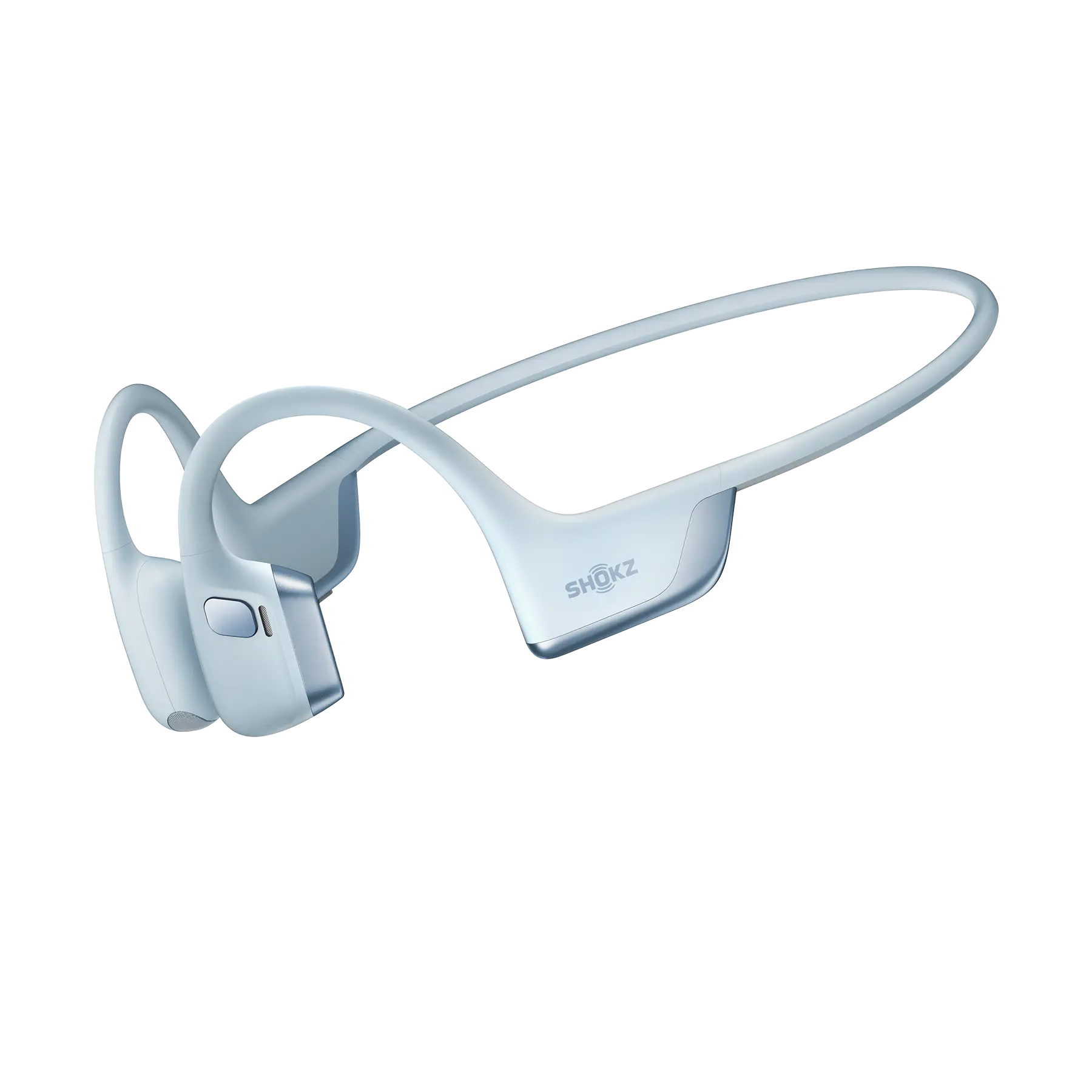
OpenRun Pro 2 is a standout choice for winter athletes. Since your ears stay open, you can still hear traffic or the crunch of snow behind you while your music plays.
-
Stable Fit: The wraparound frame doesn't budge over a beanie or under a headband. Even with a thick hood on, they stay comfortable.
-
Weather Resistant: They’re IP55 rated, so they can handle sweat or a sudden sleet shower without quitting on you.
-
Long Battery Life: Electronics usually struggle in the cold, but these give you 12 hours. A quick 5-minute charge gets you 2.5 hours of playback if you're in a rush.
-
Dual Drivers: The new tech means your playlist sounds great even through a thick winter hat, so you stay motivated the whole way.
5. Post-Workout Change
Getting into dry clothes is your top priority once you stop. Your body temp will tank fast as soon as you're done. Change into dry gear immediately. Don't even wait to do your cool-down stretches.
FAQ
1. What is the best material to run in cold weather?
Just grab some gym-style polyester. They don't hold onto sweat like cotton does. Avoid cotton at all costs. It’ll just get soaked, heavy, and make you shiver the whole time.
2. How to dress for jogging in the cold?
It’s all about stacking thin layers. Put on something light to handle the sweat, a fleece for the heat, and a windbreaker on top. That way you can just unzip if you start to cook.
3. Is cold air good for your lungs when running?
Breathing cold air while running can feel refreshing but it can also irritate the airways. Because the super dry and cold air can still make your chest sting. If it's really biting, pull a buff over your face to keep the air from feeling so sharp when you breathe. For those engaged in outdoor winter activities, it’s important to take extra care of your lungs, especially when breathing in harsh, cold air.
4. What is the 20-degree rule for running?
The trick is simple: Usually, add twenty degrees to the thermometer. Like, if it's 30°F? Just prepare for 50°F. Once you're moving, your body heat fills in the blanks. If you overdress, you’ll just end up a sweaty mess.
5. What temperature to wear leggings running?
Most people switch to leggings once it hits around 44°F. They keep your muscles warm without getting in the way. If the wind is really biting or it’s way below freezing, go for the thermal ones so your legs don't lock up on you.
Conclusion
Look, winter running isn't that deep. It’s just about having the right winter jogging gear sorted so you don't freeze the second you step out. If you've got the layers and the right shoes, there's zero reason to stay stuck on the sofa until spring. Just get your gear ready, deal with the first five minutes of shivering, and keep moving. No drama, just miles.
Author Information

guides on Shokz
Related Posts