What Is Zone 2 Cardio: How to Train Effectively
We’ve been told that if you’re not collapsing on the floor after a workout, you’re just wasting your time. But Zone 2 cardio flips that whole "no pain, no gain" thing on its head. It’s that sweet spot where you’re moving, you’re sweating a bit, but you can still talk to your buddy without gasping for every breath.
Think of it as the foundation of your fitness house. Instead of redlining your heart every single day, you’re teaching your body to actually use fat as fuel and stay energized. If you’re sick of feeling burnt out or stuck in your progress, getting a handle on what is zone 2 cardio is probably the smartest move you can make for your long-term health, especially when you're just trying to stay active.
Definition of Zone 2 Cardio
If we’re talking numbers, Zone 2 cardio is basically that 60% to 70% range of your max heart rate. But don't get too hung up on the math. The real test is your breath. At this intensity, you’re moving fast enough to sweat, but you can still talk about your weekend without gasping for every syllable. Your body isn't panicking for quick energy; it’s calmly tapping into your fat stores for fuel.
How Does Zone 2 Cardio Work?
At Zone 2 intensity, lactate is cleared from your body faster than it’s produced. So it prevents accumulation and allows longer, easier exercise. It’s a sweet spot: you’re working hard enough to see a real difference in your fitness, but you're not finishing the workout feeling absolutely trashed. You can stay in this zone for a long time, building a huge aerobic engine.
The Five Heart Rate Zones Explained
Most of us just go out and "run," but breaking it down by heart rate changes everything. Here’s the quick version of the five zones:
-
Zone 1 (50-60%): Basically a stroll. Think of it as a casual walk or just stretching out.
-
Zone 2 (60-70%): It’s sustainable, steady, and where you build your base.
-
Zone 3 (70-80%): It’s moderate. You’re working, maybe doing a steady run, but it starts getting harder to talk.
-
Zone 4 (80-90%): Now it feels struggling. This is for intervals or heavy hill climbs where you’re really pushing.
-
Zone 5 (90-100%): Total redline. You can only hold this for a few seconds. Think of a finish line sprint.
A lot of casual gym-goers in Canada spend all their time stuck in Zone 3, not quite easy, not quite hard. But the real pros know that spending more time in Zone 2 is what actually builds the endurance you need for the long haul.
Benefits of Zone 2 Cardio Training
Training in zone 2 is about much more than just hitting a calorie goal. This intensity range actually re-wires your body, leading to real-world health and performance gains that you just can't get by sprinting all the time.
1. Improved Fat Burning and Metabolism
Zone 2 training is like teaching your body to be its own fuel manager. Over time, you build more "machinery" in your cells to process fat efficiently. This isn't just a workout thing. It shifts your metabolism even when you're resting.
2. Enhanced Endurance and Aerobic Capacity
Your heart starts pumping more blood with every beat, and your body gets better at delivering oxygen where it's needed. You’ll notice the little things first, like how those steep stairs don't leave you gasping anymore. Doing training with a friend can make these sessions more enjoyable and keep you motivated, building a strong base of fitness that benefits everything else.
3. Reduced Risk of Overtraining
Think of zone 2 as "active recovery." You’re still getting the work in, but you aren't beating your joints and muscles to a pulp. It’s low-stress, meaning you can train more often without ending up injured or totally burnt out. There’s a solid reason why the world’s best endurance pros spend 80% of their time at low intensity.
4. Improved Heart and Lung Function
Your resting heart rate starts to drop and your lungs get more efficient as those breathing muscles get stronger. These changes do more than just lower your disease risk; they make daily life in Canada feel noticeably lighter and less like a chore.
Examples of Zone 2 Cardio
The trick is staying at the right intensity, no matter what you're doing. Here are some zone 2 cardio examples:
1. Cycling
Find a flat path or just hop on an indoor trainer. The big advantage here is that the bike supports your weight, so you can really fine-tune your pace. You just want a steady, controlled burn without the joint pain.
2. Brisk Walking
Forget about a lazy stroll. This is "walking with a purpose." It should feel like you’re slightly late for an appointment. If the flat ground feels too easy, just kick up the incline on a treadmill. It’s a great way to hit your heart rate target.
3. Slow Running
Jogging can keep you in this zone. Focus on staying out there for 30 to 90 minutes to build your endurance. However, this is where most people fail because they run too fast. If you can't tell a story without stopping to breathe, you aren't in Zone 2 anymore. Remember, running can boost your creativity, so keeping the pace steady helps both your fitness and your mind.
4. Swimming
Steady laps in the pool are a killer way to build that aerobic base. The water naturally keeps your heart rate in check as long as you aren't sprinting.
How Do I Find My Zone 2 Cardio?
What is zone 2 heart rate? Look, finding your number takes a bit of math and a lot of listening to your own situation.
Calculate Your Maximum Heart Rate
The quick-and-dirty way is just 220 minus your age. If you’re 40, your "max" is roughly 180. It’s a bit of a rough guess, everyone’s heart is different, but it gives you a starting point so you aren't just flying blind.
Setting Your Zone 2 Heart Rate Using A Percentage of Your Max
Once you have that 180 number, you’re aiming for the 60% to 70% range. For a 40-year-old, that’s about 108 to 126 bpm. But here’s the real test: if you can’t talk in full sentences, the numbers don't matter. You’re going too hard. Trust your breath more than your watch.
How to Maintain Zone 2 Cardio?
The real struggle with Zone 2 isn't the physical work; it’s the discipline to not go faster when you’re feeling good.
1. Monitor Your Heart Rate Regularly
Whether it’s a chest strap or a fancy watch, keep an eye on it. Ask yourself every few minutes and check your wrist. If you see yourself drifting into Zone 3, don’t wait; slow down right then and there.
2. Adjust Your Pace, Not Your Effort
Life happens, hills, wind, or maybe you just didn't sleep well. If your heart rate starts climbing too high, drop your speed. Don’t try to "power through" a hill just to keep your pace up; your heart doesn't care about your miles per hour, it only cares about the strain.
3. Use Rhythm and Audio to Stay Consistent
It’s easy for your mind to wander and your feet to start speeding up on their own. It is found that a good podcast or music with a steady beat acts like a governor on an engine. It keeps your cadence locked in so you don’t accidentally turn a recovery day into a race.
4. Stay Hydrated and Take Breaks When Needed
Just because you aren't gasping for air doesn't mean you aren't sweating. These long sessions can sneak up on you and leave you dehydrated. Keep a bottle of water handy, and if you start feeling lightheaded or weirdly tired, just stop. Pushing through a dizzy spell is a one-way ticket to a bad recovery.
Other Tips to Enjoy The Zone 2 Cardio Process
The biggest mistake people make is turning Zone 2 training into a chore. If you hate it, you won’t do it. The goal is to make these sessions the part of the day you actually look forward to.
1. Choose A Scenic Route or Comfortable Environment
Staring at a gym wall for an hour is a motivation killer. Get out onto local trails or through a nice neighborhood. When the Canadian winter hits, don't fight the elements, move your zone 2 cardio indoors to a pool or a trainer where you can actually stay consistent without freezing.
2. Listen to Music, Podcasts, or Audiobooks During Training
Since you aren't gasping for air, you can actually pay attention to something other than just catching your breath. Whether you’re running miles on the road or swimming laps, it’s a great time to enjoy a good story or a long playlist. It makes the miles fly by.
The problem is, not every pair of headphones is built for every environment. Traditional earbuds can isolate you from ambient sound, a big safety risk when you’re outdoors. Open-ear models can keep you aware of what’s around you. And if your training takes you into the water, waterproof models let you keep the same rhythm underwater.
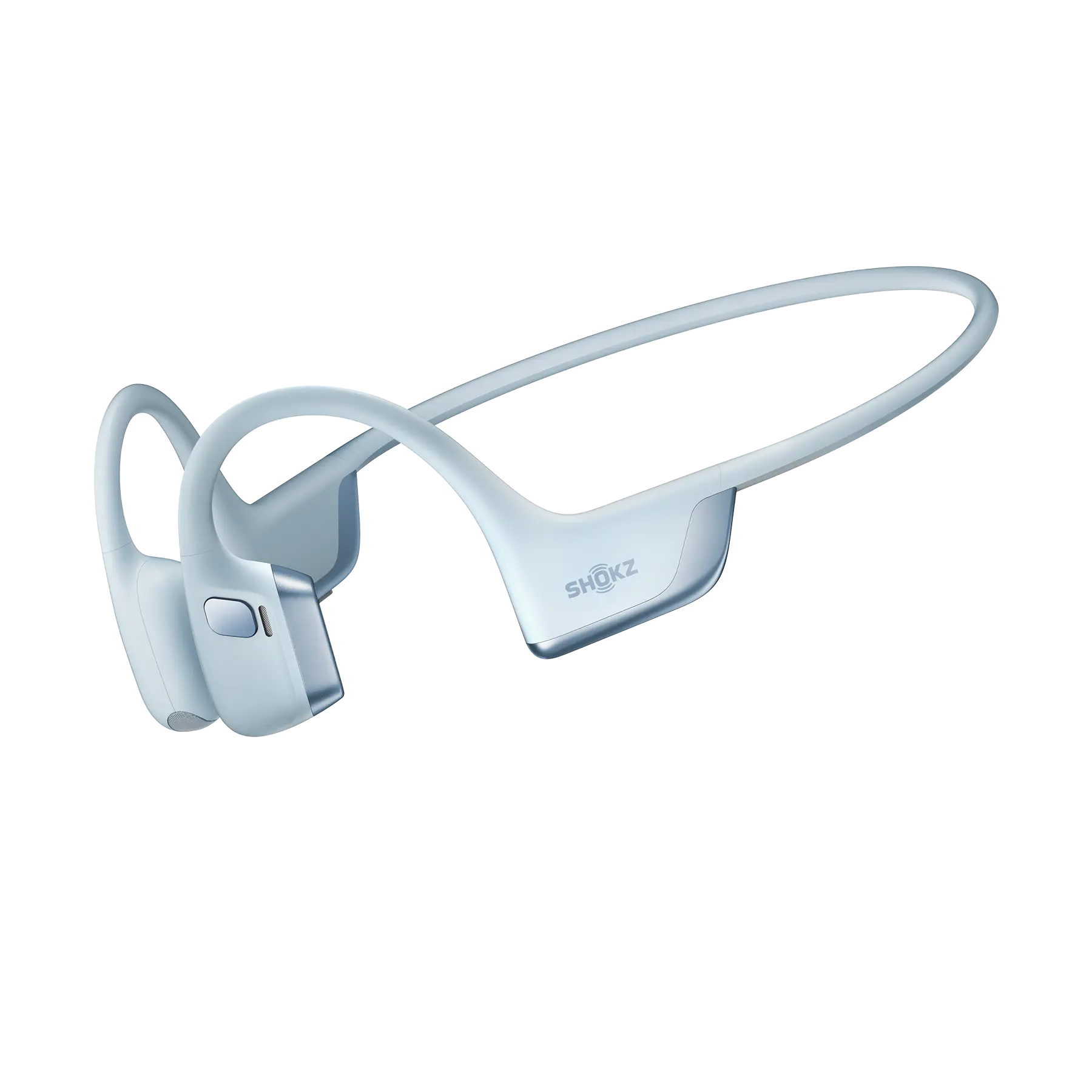
Runners’ Audio Solution: OpenRun Pro 2
If you’re hitting the pavement, OpenRun Pro 2 is a game-changer. It mixes bone conduction with a bass driver, so the sound is rich but you still hear that car coming up behind you. It’s got a 12-hour battery that’ll outlast your longest training runs, and the IP55 rating means it doesn't care about sweat or a sudden rain shower. It’s light, made of Nickel-titanium alloy, and stays put, kilometer after kilometer.
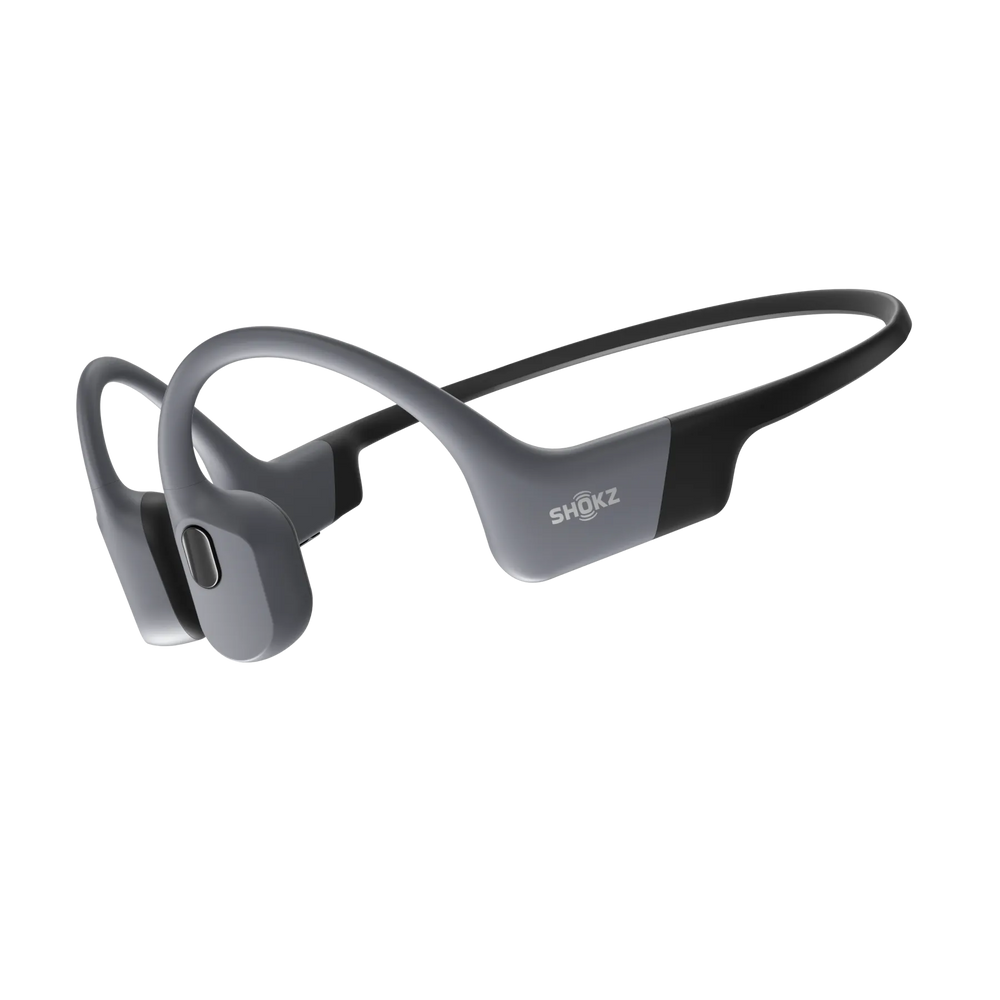
Headphones for Swimmers: OpenSwim Pro
If you prefer swimming as your way to do Zone 2 Cardio, having the right waterproof headphones can make all the difference. Shokz open earbuds like OpenSwim Pro are built with an IP68 waterproof rating, safely submerging in fresh water up to 2 meters for 2 hours. With 32GB of storage, you can play music directly underwater with an MP3, making steady swimming more enjoyable and less monotonous.
3. Focus on Relaxed Breathing and Rhythm
Tension is your enemy. Keep your shoulders down, your jaw loose, and just let your breath flow. You want your movement to feel like a smooth, controlled rhythm rather than a struggle. A simple trick is to try breathing in for three steps and out for two. It keeps your pace steady.
4. Train at A Pace That Feels Sustainable, Not Forced
If you're white-knuckling it or constantly praying for the workout to end, you’re probably pushing too hard. Lean into that easier pace; remember, your progress comes from showing up day after day, not from one-off "hero" efforts that leave you burnt out.
FAQ
1. Should long runs be in zone 2 or zone 3?
Long runs work best in Zone 2. It’s a comfortable pace that builds endurance while keeping energy steady. Zone 3 is better saved for shorter, faster efforts to boost speed and stamina.
2. Is zone 2 best for fat loss?
It’s great for prepping your body to burn fat, but don’t expect miracles if your diet is a mess. You can't out-train a bad kitchen. Use it to build an efficient metabolism, but keep the calories in check or you’re just spinning your wheels.
3. Which heart zone burns the most fat?
Zone 2 uses the most fat as fuel during the workout, but a hard sprint burns more total calories. What actually matters? Total movement over the week. Stop chasing the "perfect" zone and just get moving.
4. Is 30 minutes of zone 2 enough?
It’s fine for your heart, but you’re quitting right when the good stuff starts. The real metabolic shifts usually kick in after 45 minutes. If 30 is all you’ve got, take it, but try to go long on the weekends if you actually want to see a change.
Conclusion
Zone 2 cardio is just about playing the long game. It’s not flashy and you won't finish a session feeling like you’re dying, but that’s the point. Just try to squeeze in three sessions a week, maybe 30 to 60 minutes each. If you’re worried about getting bored out of your mind during those longer stretches, grab some wireless headphones so you can listen to a podcast while staying safe on the road. It’s a slow burn, but give it a few weeks. When those brutal hills start feeling like flat ground, you’ll realize how much your engine has actually grown.
Author Information

guides on Shokz
Related Posts