Bluetooth 5.3 vs 5.4: What's Different and What Improved
Wireless tech moves fast, no doubt about that. Even though the Bluetooth SIG just dropped the latest Bluetooth version 6.2 in 2025, most of the gear we’re actually buying and using right now is still firmly in the 5.x camp. That’s why the Bluetooth 5.3 vs 5.4 debate matters. These versions are baked into most of the consumer-level devices on the shelf today, so it’s worth knowing what you’re actually getting. Let's break down the technical side so you can figure out which version actually fits your setup.
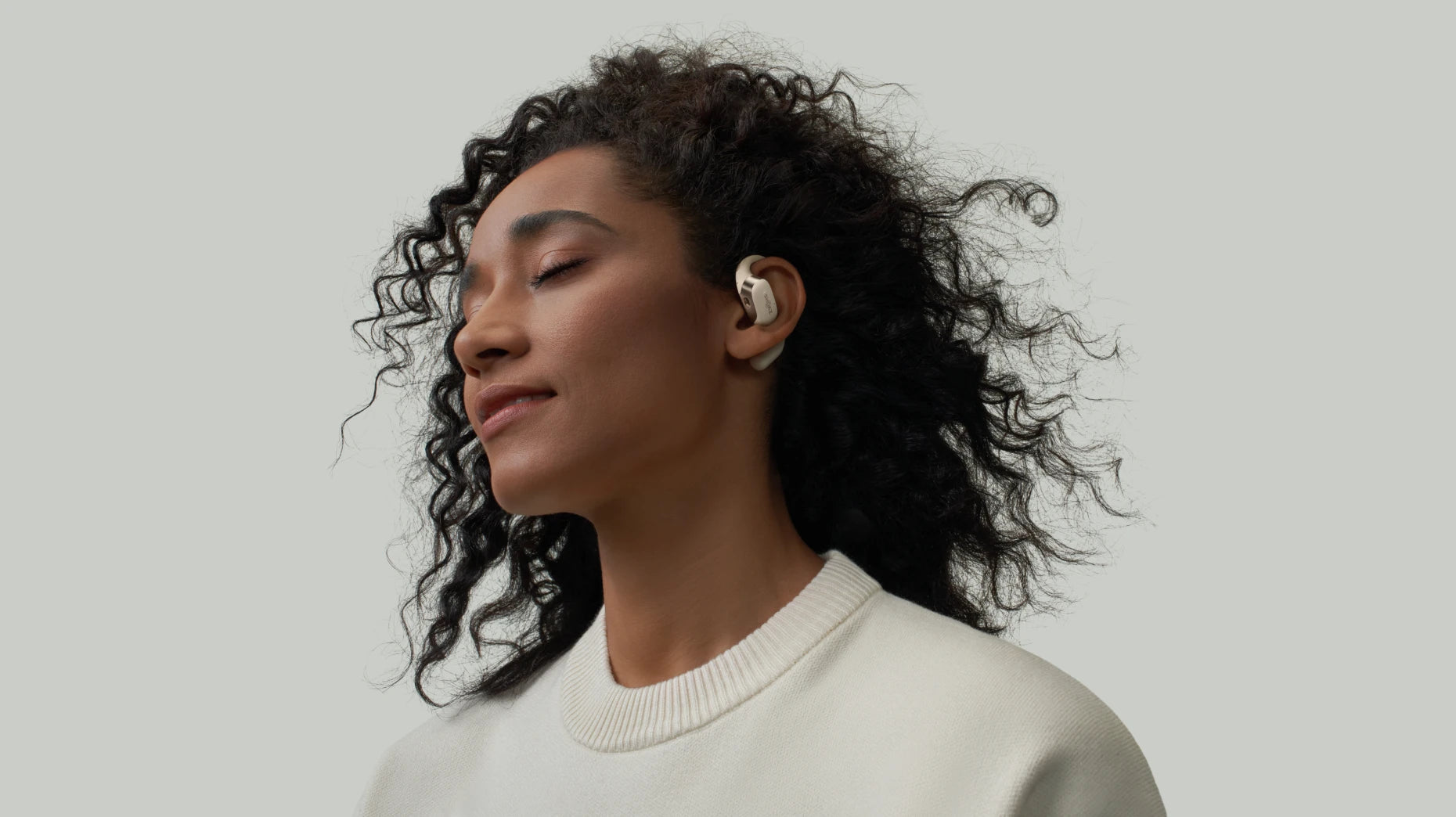
OpenDots Series Coming Soon
The new Shokz OpenDots series is coming soon! Discover the new look of our next-generation open-ear audio and join our campaign for a chance to win a pair of clip-on earbuds.
Key Updates in Bluetooth 5.3
We first need to look at what 5.3 brought to the table. This version wasn't about a total redesign. It was all about making the connection smarter and more efficient. Here are the four big upgrades that actually made a difference:
1. AdvDataInfo in Periodic Advertising
Basically, the controller now uses a marker to tell if the data in a broadcast has actually changed. Instead of constantly resending the same info, the controller can just skip redundant data. This keeps everything in sync better and saves a decent amount of battery, especially for setups with a lot of moving parts like smart home gear or multi-device audio.
2. Encryption Key Size Control Enhancement
This gave devices more say over how secure their connection needs to be. By letting the host set a minimum encryption key size (the encryption key size used during pairing must be between 7 and 16 bytes, or 56 – 128 bits), it makes sure every connection hits the right security bar, keeping your data locked down and away from prying eyes.
3. LE Enhanced Connection Update
This is a big one for audio. It enables quicker transition between connection parameters. Switching from "idle" to "active" is almost instant now, which means less lag, better battery life, and snappier performance when you're actually using your gear.
4. LE Channel Classification
In Bluetooth 5.3, Peripheral devices can now evaluate the quality of Low Energy (LE) channels and report their findings back to the central device. With this feedback, the central device can make smarter channel selections that work well for both sides. It leads to a much more stable connection, even in busy spots like a downtown office or a crowded gym where everyone’s on wireless.
Exploring The Innovations in Bluetooth 5.4
Bluetooth 5.4 builds on what came before by adding a smarter and more secure way to exchange data. Devices can share data through reliable, energy-saving methods, a huge plus for IoT setups and those electronic shelf label (ESL) networks.
1. Periodic Advertising with Responses (PAwR)
PAwR finally lets Bluetooth broadcasts get feedback, not just send out signals blindly. The central device can now get actual responses from multiple endpoints. It’s a much more dependable way to handle communication across a massive network.
2. Encrypted Advertising Data (EAD)
EAD is a big win for privacy. It basically lets devices lock down their advertising data with encryption. Only authorized receivers can read it, which adds a solid layer of defense against anyone trying to snoop on your info.
3. LE GATT Security Levels Characteristic
This feature lets a Bluetooth device clearly state the security level it requires for each operation, for example, whether encryption or authentication is needed. It standardizes how devices protect sensitive data during communication.
4. Advertising Coding Selection (ACS)
With ACS, the host device can select the best coding scheme for the specific environment. If you're dealing with a massive warehouse or a big house, it can choose the long-range mode for better coverage. For short distances, they can stick with the fast coding.
What’s The Difference between Bluetooth 5.3 and Bluetooth 5.4?
The real difference between Bluetooth 5.4 vs 5.3 comes down to two big things: better security with EAD and the ability to handle massive, complex IoT deployments with PAwR. While both versions build on what made earlier Bluetooth gear great, 5.4 is really about prepping for the next wave of smart devices.
1. Communication Mode
Both run on Bluetooth Low Energy (LE), but 5.4 introduces Periodic Advertising with Responses (PAwR). This is a game-changer because it allows a central device to coordinate synchronized data exchanges with multiple receivers at once. It’s important for things to stay in sync.
2. Data Transfer Speed
It is 2 Mbit/s on both versions in LE mode. The real difference isn't the raw speed. It’s the stability. Bluetooth 5.4 is just better at scheduling and coding, which means it can keep those high speeds consistent even when you’re in a crowded spot with a lot of signal noise.
3. Power Efficiency
Efficiency is baked into the LE tech for both, but 5.4 takes it a step further. Thanks to its optimized host stack timing, it manages battery life more effectively, especially for devices that are juggling multiple connections at once.
4. Connection Stability
Stability gets a boost in 5.4 because of its enhanced synchronization methods and the new Advertising Coding Selection (ACS). It’s designed to cut down on drops and interruptions, making it much more reliable in busy urban areas or crowded environments where the airwaves are packed.
5. Range
Both versions can technically hit a max Bluetooth range of 240 meters if you've got a clear line of sight. While the limit hasn't changed, 5.4’s adaptive coding keeps long-distance connections more stable and consistent.
6. Data Security
This is where Bluetooth 5.4 really shines. With Encrypted Advertising Data (EAD), it locks down advertising data so only authorized devices can read it. If you’re dealing with digital keys, asset tracking, or anything privacy-sensitive, this extra layer of protection is pretty much essential.
Comparison Table
Here’s a quick breakdown of the key differences so you can see exactly where the 5.4 upgrades give you the edge.
|
Feature |
Bluetooth 5.3 |
Bluetooth 5.4 |
|
Core Focus |
Efficiency and connection reliability |
Enhanced security and synchronized broadcast communication |
|
Communication Mode |
One-way periodic advertising |
PAwR enables synchronized, two-way communication for IoT and ESL systems |
|
Data Transfer Speed |
Up to 2 Mbit/s (LE 2M PHY) |
Same max speed, but more consistent in busy environments |
|
Power Efficiency |
Optimized via LE technology |
Improved with refined host stack and better timing control |
|
Connection Stability |
Reliable for general use |
ACS and smarter synchronization minimize dropouts and interference |
|
Range |
Up to ~240 m (line-of-sight) |
Same physical range, but more stable at long distances |
|
Data Security |
Strong encryption for connected streams |
EAD adds encryption to advertising packets for higher broadcast privacy |
Why Bluetooth 5.4 Is Better than Bluetooth 5.3 in Audio Performance?
Bluetooth 5.4 brings some under-the-hood tweaks that make a real difference for anyone picking up a new pair of wireless headphones. It’s less about a total overhaul and more about making your daily listening a lot smoother.
1. Improved Reconnection Speeds
Nobody likes waiting for their earbuds to "find" their phone. Thanks to the PAwR function in Bluetooth 5.4, the handshake between your devices is much faster. Whether you’re popping your buds out of the case or switching between your laptop and phone, the sync is almost instant. It just makes the whole multi-device experience use far less lag and is more reliable.
2. Better Battery Life
Bluetooth 5.4 refines how the "host stack" manages data, which basically means it doesn't waste energy on unnecessary data exchanges. For you, that translates to more listening time. It’s a solid efficiency boost that lets you go longer between charges compared to older 5.3 gear.
3. Audio Quality and Latency
Both versions handle high-res and LE Audio well, but 5.4 has the edge when things get crowded. Because it’s better at picking the right coding (ACS) and staying in sync, you get much lower latency. This is huge for watching videos or gaming. You won’t deal with that annoying "lip-sync" delay, even in a busy terminal or a packed gym where signals are fighting for space. With the improved performance of Bluetooth 5.4, devices like Shokz earbuds benefit from enhanced audio synchronization, providing you with a smoother, more immersive experience whether you're gaming, watching videos, or exercising.
4. Enhanced Audio Codec Support
Both 5.3 and 5.4 are fully ready for the LC3 codec and LE Audio standards. However, the overall stability of 5.4 makes it a more dependable platform for high-quality sound, ensuring you actually get the performance your high-end earbuds are capable of.
Thanks to these audio advantages, many newer earbuds and wireless headphones are now adopting Bluetooth 5.4 to provide better performance. Manufacturers are moving fast to adopt these new standards.
5. Recommended Bluetooth 5.4 Earbuds
Bluetooth 5.4 offers faster pairing, more stable connections, improved battery efficiency, and lower audio latency. These contribute to a smoother listening experience, whether you’re watching videos, gaming, or working out. Here is a model that support Bluetooth 5.4, catering to different daily needs and preferences.
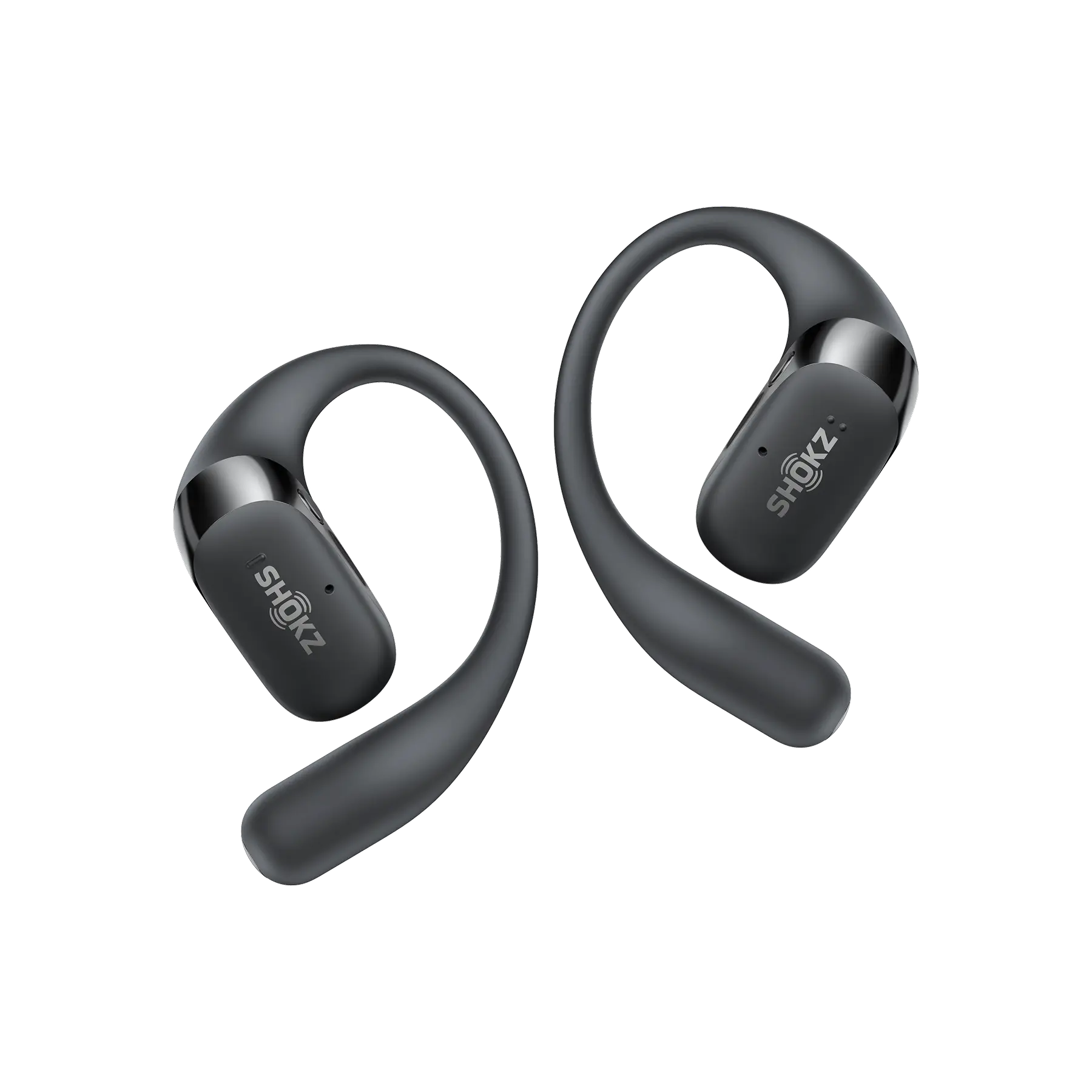
OpenFit 2+
These are a standout if you hate the feeling of stuff jammed in your ears. They use an open-ear design with secure hooks that feel super natural for all-day wear. Under the hood, the Bluetooth 5.4 chip keeps things rock-solid and makes Multipoint Pairing (switching between two devices) a breeze. Plus, with Dolby Audio support, they’re perfect for everything from your morning commute to a heavy workout.
FAQ
1. Does Bluetooth 5.4 support LE Audio?
For sure. Bluetooth 5.4 fully supports LE Audio. Just like 5.3, it’s designed to handle the LC3 codec and Auracast, which basically means better sound quality and way less battery drain when you’re streaming to multiple devices.
2. Will Bluetooth 5.4 improve my audio quality?
It doesn't change the sound file itself, but it makes the connection way more stable. By cutting down on interference and drops, it lets high-res codecs actually do their job without getting interrupted. It’s all about a smoother, more reliable listen. If you choose Shokz’s open-ear headphones, which come equipped with Bluetooth 5.4, you’ll experience a smoother, more reliable listen thanks to the improved stability of Bluetooth 5.4.
3. Can I pair Bluetooth 5.4 headphones with older devices?
Yeah, no problem. Bluetooth is backward compatible, so your new 5.4 buds will still work with a 5.0 or 5.3 phone. Just keep in mind that you won't get the specific 5.4 perks, like the extra security or efficiency, unless both your phone and headphones support it.
4. How many devices can Bluetooth 5.4 connect to?
For standard point-to-point connections, Bluetooth doesn’t set a fixed limit. In practice, most devices can maintain about seven active connections, depending on hardware and software design. With Bluetooth 5.4’s new PAwR feature, a central device can broadcast and receive responses from a very large number of endpoints in a synchronized cycle. The specification doesn’t define an exact cap, but it’s built for large-scale IoT networks rather than a strict device limit. Additionally, with Bluetooth 5.4’s ability to set up multipoint pairing, you can connect multiple devices simultaneously, further enhancing its flexibility.
Conclusion
Comparing Bluetooth 5.3 vs 5.4 really comes down to how much you value a seamless daily experience. 5.4 is the clear winner here. It’s the current benchmark for a reason. It works behind the scenes to keep your connection solid, save your battery, and reconnect instantly, even in crowded spots. If you’re buying new gear today, definitely aim for something with Bluetooth 5.4.
Author Information

guides on Shokz
Related Posts