What Is HIIT: Benefits, Types, and How to Start
Maybe you’re wondering what is HIIT when you strip away the jargon. HIIT is basically just a series of "sprint and recover" loops. You go absolutely full-throttle for maybe 30 seconds, catch your breath for a moment, and then do it all over again. You're purposely putting your body in a hole, creating that oxygen debt, so it has to work to fix itself. It’s a massive shock to your metabolism that a steady jog just can't match.
How Does HIIT Exercise Work?
Think of HIIT as a way to panic your system. When you go full-throttle, you’re hitting muscle fibers that a regular jog wouldn't even touch. You're moving so fast that your body can't grab enough oxygen to keep up, so it starts racking up a "debt" that you have to pay back later.
That’s the secret sauce. Because you’ve pushed yourself into a hole, your body stays in high gear for hours after you’re done, even while you're just sitting there at your desk. People always ask what HIIT training is, and this "afterburn" is the answer. You’re not just burning energy during the workout; you’re forcing your heart to learn how to recover on the fly. It’s a way to build a much tougher engine.
Types of HIIT Workouts
While the core of what is HIIT remains the same, alternating hard work with recovery, the way you structure it can change your results. Here are the four most common formats:
1. Tabata Training
This is a high-speed, four-minute blast. You push at maximum effort for 20 seconds, rest for 10, and repeat that cycle eight times. Whether it’s sprints or burpees, the goal is to hit your limit every single round.
Applicable Scenarios
It’s a lifesaver for time-crunched days. Use it as a quick morning wake-up call or a "finisher" at the end of a regular gym session.
Goals
Tabata is designed to build massive anaerobic power and the mental grit needed to sustain near-max intensity when your body wants to quit.
2. Circuit Training
Think of this as a rotation. You move through several exercises, like kettlebell swings, push-ups, and box jumps, spending 30-60 seconds at each station with minimal rest.
Applicable Scenarios
Perfect for full-body conditioning if you have a bit of equipment. It keeps things interesting whether you're at home or in a busy fitness center.
Goals
It’s an all-rounder. You’re building muscular endurance and cardiovascular health at the same time, rather than just focusing on one or the other.
3. EMOM (Every Minute on The Minute)
You start a set number of reps (like 15 push-ups) at the top of every minute. Your rest is whatever time is left before the next minute starts. As you get tired, your rest shrinks, and the workout gets exponentially harder.
Applicable Scenarios
Best for training alone with minimal gear. It’s an easy way to keep yourself accountable without needing a stopwatch in your hand the whole time.
Goals
EMOM is a masterclass in pacing. It teaches you how to manage your energy across multiple rounds so you don't burn out too early.
4. AMRAP (As Many Rounds As Possible)
The rules are simple: set a timer for 10-20 minutes and complete as many full rounds of a specific circuit as you can. Your "score" is the number of rounds you finish.
Applicable Scenarios
This format is great for group settings or if you have a competitive streak. Because you control the tempo, it’s adaptable for almost any fitness level.
Goals
AMRAP builds pure work capacity. It trains you to stay focused and keep moving through fatigue, which develops serious physical and psychological resilience.
|
Category |
Tabata |
Circuits |
EMOM |
AMRAP |
|
Duration |
4 minutes (8 rounds) per exercise |
20-45 minutes total |
10-20 minutes |
5-30 minutes |
|
Effort Required |
Very High |
Moderate to High |
Moderate to High |
High |
|
Primary Goal |
Anaerobic capacity & mental toughness |
Muscular & cardiovascular fitness |
Pacing & consistency |
Maximum work capacity & endurance |
|
Ideal For |
Time-sensitive schedules |
Full-body conditioning |
Skill development, pacing practice |
Endurance building, benchmarking fitness |
Benefits of HIIT
The perks of HIIT go way beyond just getting out of the gym faster. It’s about making your body work smarter.
1. Boosting Heart Health
Those repeated intensity spikes are basically a heavy-duty workout for your cardiovascular system. Instead of just "coasting" at one speed, you're forcing your heart to pump oxygen-rich blood more efficiently. This is why many people see a real drop in blood pressure and much better arterial function after sticking with it for a few months.
2. Burning Calories
So, what is HIIT workout's real impact on your energy? In a word: substantial. You’re torching a massive amount of calories during those short, intense bursts. Similar to the benefits of cycling, it helps improve endurance and boosts metabolism. The real kicker is the EPOC effect, which keeps that burn going for hours after your last set. It’s an efficient way to get noticeable results in a short time.
3. Boosting Metabolism
A solid HIIT session can keep your resting metabolic rate elevated for several hours, and in ideal cases, it may last up to 24 hours. Your body has to burn extra fuel just to repair muscle tissue, balance your temperature, and get your energy stores back to normal while you’re sitting at your desk.
4. Losing Fat
If you’re looking to lean out, HIIT is a game-changer. Plenty of studies show it’s particularly good at melting away visceral fat. The combination of the immediate calorie burn and that 24-hour metabolic spike creates the perfect conditions for dropping body fat percentage.
5. Reducing Blood Sugar
Consistent HIIT practice is one of the best ways to improve insulin sensitivity. By forcing your muscles to use up glucose during those explosive intervals, you're teaching your body how to manage blood sugar effectively. For anyone at risk of metabolic disorders, this is a massive long-term win.
6. Improving Movement
Because HIIT is built on explosive movements, you’re naturally going to see gains in power, agility, and coordination. This isn't just "gym strength". It translates directly to your daily life. Whether you're shoveling a heavy Canadian snowfall or just carrying groceries, everything starts to feel a lot lighter and easier.
Unique Advantages of HIIT Over Traditional Cardio
|
Aspect |
HIIT |
Traditional Cardio |
|
Time Efficiency |
High efficient |
More time-consuming |
|
Calorie Burn |
High during & elevated after |
Moderate during only |
|
Muscles Worked |
Full Body Workout |
Limited Workout |
|
Metabolic Impact |
Sustained elevation |
Returns to baseline quickly |
How to Start A HIIT Workout?
If you jump straight into the deep end without a plan, you’re just asking for an injury. A smart, measured start is how you actually get results without ending up on the sidelines.
1. Ease Into It
Start with a 1:2 work-to-rest setup: go hard for 20 seconds, then take a full 40 seconds to find your breath. Give it a few weeks, and once you stop feeling better, you can move toward 1:1 or 2:1. Your body's feedback matters more than any arbitrary chart.
2. Designing a Balanced Routine
You’ve got to rotate your focus. If you trashed your legs on Monday, hit your upper body or core on Wednesday. This kind of balance keeps you from overloading specific joints and helps you avoid that "I’m burnt out" feeling by week three.
3. Dynamic Warm-Ups and Listening to Your Body
Spend 5-10 minutes on dynamic moves to wake up your joints. During the actual workout, pay attention. There’s a big difference between that "good" muscle burn and a sharp, stinging pain. If it’s sharp, stop immediately.
4. Using Apps and Music for Motivation
Timers are great because they keep you honest when you’re tired. Pair that with a high-energy playlist, a podcast, or free fitness apps for home workouts to drown out the voice in your head telling you to quit. Whether you’re tracking rounds or just following the beat, audio is what keeps your head in the game.
5. Tracking Progress
Jot down what you did: the moves, the rounds you survived, and how trashed you felt afterward. Progress isn't a straight line, but keeping a log is a way to see the patterns of what’s actually moving the needle in your HIIT training.
Must-Have Gears for HIIT Workouts
The right kit won't just make you look the part. It’ll actually support your performance so you don't break the bank or your body.
1. Non-Slip Extra-Thick Training Mat
A solid mat is a lifesaver for your knees and elbows during planks or burpees. You need something grippy that won't slide across the floor the second you start sweating.
2. Supportive Athletic Shoes
Standard running shoes are built for moving forward, but HIIT is all about lateral moves and pivots. Invest in some cross-trainers. They give you the ankle stability and impact soak you need for those box jumps and quick turns.
3. High-Performance Moisture-Wicking Apparel
Skip the old cotton tees. Cotton is a sponge. It gets heavy, sags, and causes nasty chafing. Go for synthetic, moisture-wicking gear that stays light and lets your skin breathe as the intensity climbs.
4. Smartwatch or Heart Rate Monitor
If you want to know what HIIT training is doing to your body, look at the data. A heart rate monitor ensures you're actually hitting the redline and shows you how fast you're recovering. It’s the best way to tweak your program as you get fitter.
5. Comfortable Bluetooth Earbuds for HIIT Workouts
Standard earbuds are a nightmare. They pop out during mountain climbers or block out the world too much. For HIIT workouts, earbuds should be stable, sweat-proof, and comfortable. So you can stay focused and energized without constantly adjusting or worrying about sweat.
Shokz open earbuds are designed to meet these needs. They stay in place through every jump and sprint and keep up with your workouts. Within its product lineup, OpenRun Pro 2 stands out since it is designed for intense workouts.
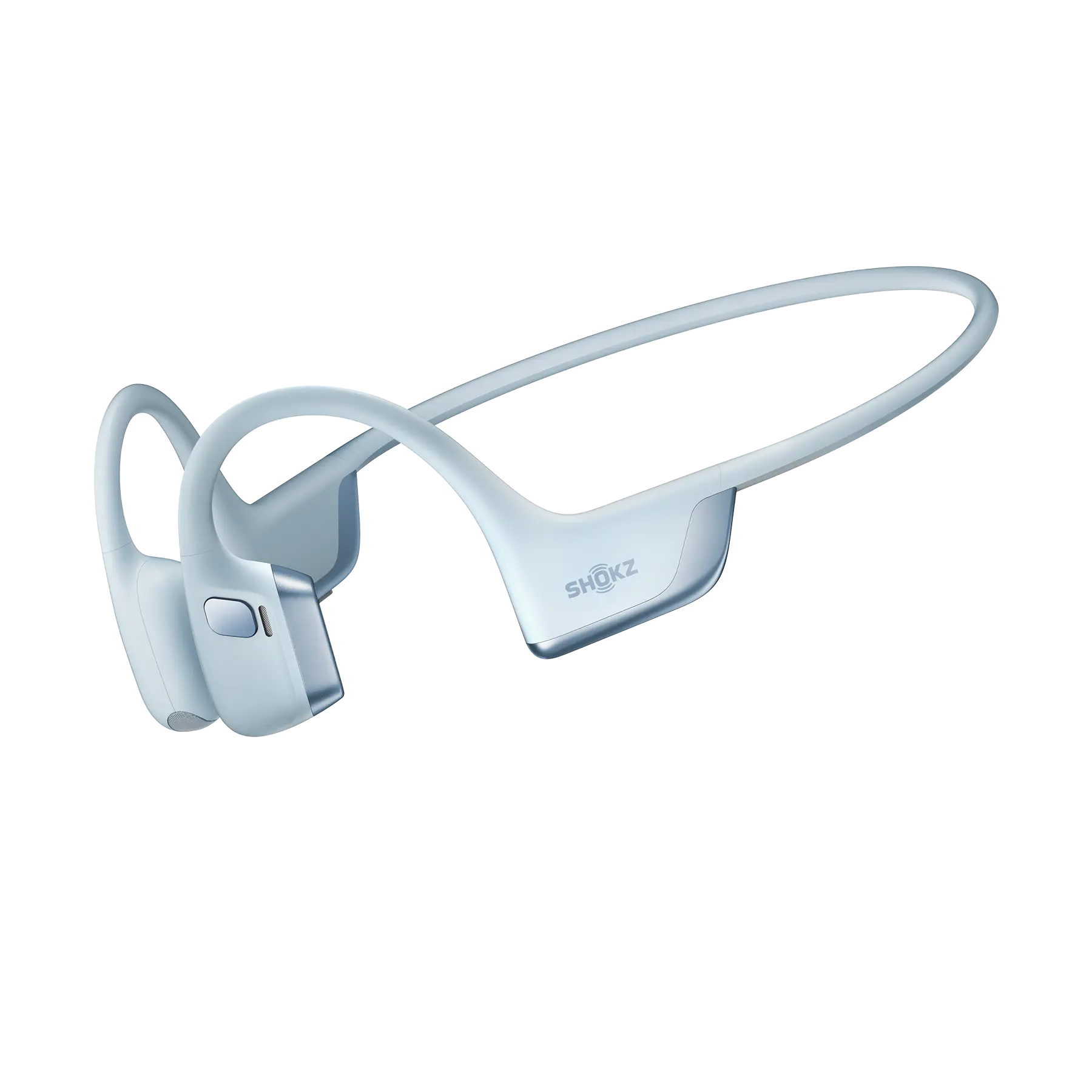
It is the heavy hitter. It’s got a 12-hour battery, an IP55 sweat-proof rating, and the secure earhook frame stays locked in place whether you're upright or face-down in a plank. It blends bone conduction with an air conduction bass driver, so the sound is rich even when you’re gasping for air. OpenRun Pro 2 is a solid choice for the toughest exercise without missing a beat.
HIIT Workout Plans for Every Fitness Goal
Structured plans remove guesswork and keep you accountable.
1. Beginner-Friendly HIIT Workout Plan
Week 1-2: 20 seconds exercise, 40 seconds rest, 4 rounds of each exercise in a circuit
-
Jumping jacks
-
Bodyweight squats
-
Modified push-ups
-
High knees
-
Rest 2 minutes between circuits; complete 2-3 circuits total
Week 3-4: Same exercises, 25 seconds work, 35 seconds rest
2. Cardio-Focused HIIT Workout Plan
3x per week: 30 seconds maximum effort, 30 seconds active recovery, 8 rounds
-
Sprints
-
Jump rope
-
Burpees
-
Mountain climbers
Rotate through exercises each session to prevent burnout.
3. Full-Body HIIT Workout Plan for Maximum Results
4x per week, alternating days: 40 seconds work, 20 seconds rest, 5 exercises per circuit, 4 circuits
-
Dumbbell thrusters
-
Renegade rows
-
Box jumps (or step-ups)
-
Kettlebell swings
-
Bicycle crunches
Rest 90 seconds between circuits.
FAQ
1. Is HIIT good for losing weight?
It definitely works. The secret isn't just the sweat during the workout, but how your body keeps burning fuel for hours afterward to fix itself. If you’re eating right, HIIT is a massive shortcut for stripping away fat while keeping your muscle intact.
2. How often should I do HIIT as a beginner?
Stick to two or three days a week, tops. Your body needs time to actually recover from that kind of intensity. If you try to go every day, you’re just going to end up with a nagging injury or total burnout. Quality over quantity is the rule here.
3. Is it better to do HIIT or cardio first?
If you’re doing both, knock out your steady cardio first. HIIT is so explosive that it’ll leave you too gassed to maintain good form on anything else. Plus, a lot of people find that using HIIT as a "finisher" at the end of a session gives them the best bang for their buck. It’s all up to you.
4. What is one common mistake people make in HIIT?
The absolute biggest mistake is cheating your rest intervals. People think they’re being "hardcore" by jumping back in too soon, but you end up just doing a sloppy, medium-intensity workout. The whole point of HIIT is that "all-out" effort, and you can't give that if you haven't caught your breath.
5. Is HIIT hard on your heart?
It’s a massive stressor, which is exactly why it makes your heart tougher. But that’s also why you shouldn't mess around if you have pre-existing heart issues. If that’s you, definitely get a doctor’s green light before you start pushing your heart rate into the red zone.
Conclusion
What is HIIT? It’s a high-speed strategy to get fit without wasting hours. By cycling between max effort and quick breaks, HIIT training workouts give you a science-backed way to see real results on a tight schedule. To make it more enjoyable, try listening to music. Wireless headphones like OpenRun Pro 2 deliver heavy-hitting bass without blocking your ears, making them the perfect addition to your HIIT kit.
Author Information

guides on Shokz
Related Posts