Essential Backpacking Packing List: Must-Haves for Every Adventure
Getting deep into the Canadian bush is the dream for a backpacking adventurer. It is clear why backpacking trips are so popular from coast to coast: an escape into the raw beauty of the wilderness. But let’s be blunt: the wilderness doesn't forgive bad prep. You can't just wing a trek; you need to be dead-set on the details before you lace up. To keep you from miserable miles, we’ve cut through the noise to list the actual backpacking essentials and field-tested tips for your next expedition.
The Core Backpacking Gear List
The standard "10 Essentials backpacking list" is a decent baseline, but surviving the Canadian bush takes more than just the basics. This checklist digs into the high-performance strategy required to stay comfortable when the weather turns.
1. Big Three Backpacking Essentials
The "Big Three" are the heavy hitters. They’re the foundation of your entire backpacking gear list.
-
Backpack: Think of this as your mobile home. Grab a 50–70 liter pack with a suspension system that actually fits your torso. Pro-tip: let your hips carry 80% of the weight so your shoulders don’t get crushed.
-
Shelter: Canadian weather is chaotic. A lightweight, double-wall tent is the smartest play for venting condensation during those damp, chilly nights in the backcountry.
-
Sleep System: Don't gamble with "midnight chills." Use a bag rated 5°C colder than the forecast and pair it with a high-R-value pad. That pad is for stopping the ground from sucking the heat out of you.
2. Navigation and Safety Essentials
Staying found is about more than just a clear trail; it’s about knowing your exact coordinates when the fog rolls in. Mastering these tools and following basic outdoor safety tips will ensure you’re prepared for any situation the wilderness throws at you.
-
Map and Compass: These are your primary tools for understanding the landscape and plotting your course. If your destination is particularly cold, batteries can drain unexpectedly fast, making a physical map in a waterproof sleeve an essential, fail-safe backup.
-
GPS / Offline App: Apps like Gaia GPS are lifesavers. Just be sure to download high-res topographic maps before you lose bars so you can track your position offline.
-
Satellite Messenger: In the deep wilderness, a satellite communicator is your proactive safety net. It offers two-way messaging and a dedicated SOS button for emergency coordination.
-
Headlamp: Lighting is one of the most important backpack essentials. Look for at least 300 lumens and a red-light mode. This provides enough brightness to navigate safely without fumbling in the dark. A red-light mode is safe and mellow, so you won't blind your trail mates.
3. Clothing and Footwear
The right kit makes a big difference between soaking in the views and just struggling through them. In the Canadian wilderness, layering isn't a suggestion. It’s a survival skill.
-
Base Layers: Stick exclusively to merino wool or high-end synthetics. They wick sweat away instantly. Unlike cotton, these fabrics won't leave you shivering when the alpine wind picks up.
-
Insulation Layer: A "puffy" jacket is a hiker’s best friend. Down is king for weight-to-warmth, but synthetic fills are the smarter play if you’re heading into the humid, soggy territory, since they can maintain fluffiness and structure even when wet.
-
Rain Shell Outer Layer: A solid, breathable waterproof jacket is your main shield out there. It has to stand up to a sudden mountain deluge.
-
Hiking Footwear: You want a "death grip" on those slippery rocks and wet roots. Make sure your boots or trail runners have deep, aggressive lugs. Pro-tip: buy them half a size large. Your feet are going to swell after fifteen miles, and you’ll need that extra wiggle room.
-
Essential Accessories: Don’t ever skimp on the "small stuff." It’s the little things that save your trip. Toss in some spare merino socks so you aren't battling blisters, and grab a brimmed hat. The high-altitude sun is no joke for your skin. Also, bring some light gloves. You’ll be glad you have them when you’re breaking camp on those frost-covered mornings.
4. Kitchen and Water Management
When you're miles away from the nearest tap, your kitchen setup and water plan are the core, especially on a several-day backpacking trip.
-
Stove and Fuel: Compact canister stoves are the gold standard for a reason. They’re fast, efficient, and will get a hot meal into your system in minutes, even if you're battling a stiff breeze on a ridge.
-
Cookware and Utensils: Keep it minimal. A lightweight titanium pot and one long-handled spoon are all you need to handle 90% of trail meals. It’s less to clean and less to carry.
-
Water Filter and Storage: Never trust a "clear" stream, no matter how high up you are. Use a reliable filter and carry at least two liters of capacity to bridge those dry, sun-baked stretches between alpine lakes.
-
Food Storage: Proper sealing isn't just about keeping your breakfast dry. In Canada, it’s about bear safety. Using a bear canister or a proper Ursack ensures you won't be waking up to a curious black bear sniffing around your vestibule at 3 AM.
Comfort and Enhancement Gear List
For those who aren’t chasing extreme minimalism, a few "luxury" items can significantly elevate the experience. These additions help transform a grueling trek into a restorative retreat.
Extended Power Supply
Maintaining a steady power supply is about more than just convenience; it’s about keeping your emergency tools and entertainment devices functional throughout the trip.
-
Power Bank: A 10,000mAh or 20,000mAh unit is usually the sweet spot. Ensure it features PD (Power Delivery) for faster charging. A quick tip: Canadian cold nights will kill your battery fast, so keep it inside your sleeping bag at night to stop it from draining.
-
Reinforced Cables: Standard cables always seem to fail the second they get a bit of moisture or dirt on them. Get the short, rugged ones that can actually survive being crammed into a tight pack.
-
Portable Solar Panel: These make sense for long hauls where you've got plenty of sun. You can just strap a light one to the top of your pack and let it charge up your bank while you're on the move.
Audio and Visual Enrichment
Incorporating audio-visual gear allows you to enjoy a personal soundtrack or capture the majesty of the trail.
-
Bluetooth Headphones: A well-curated playlist or an audiobook can be a massive morale booster during long climbs. It provides a welcome mental peace when you’re grinding through high-elevation switchbacks or dealing with hours of unpredictable trail weather.
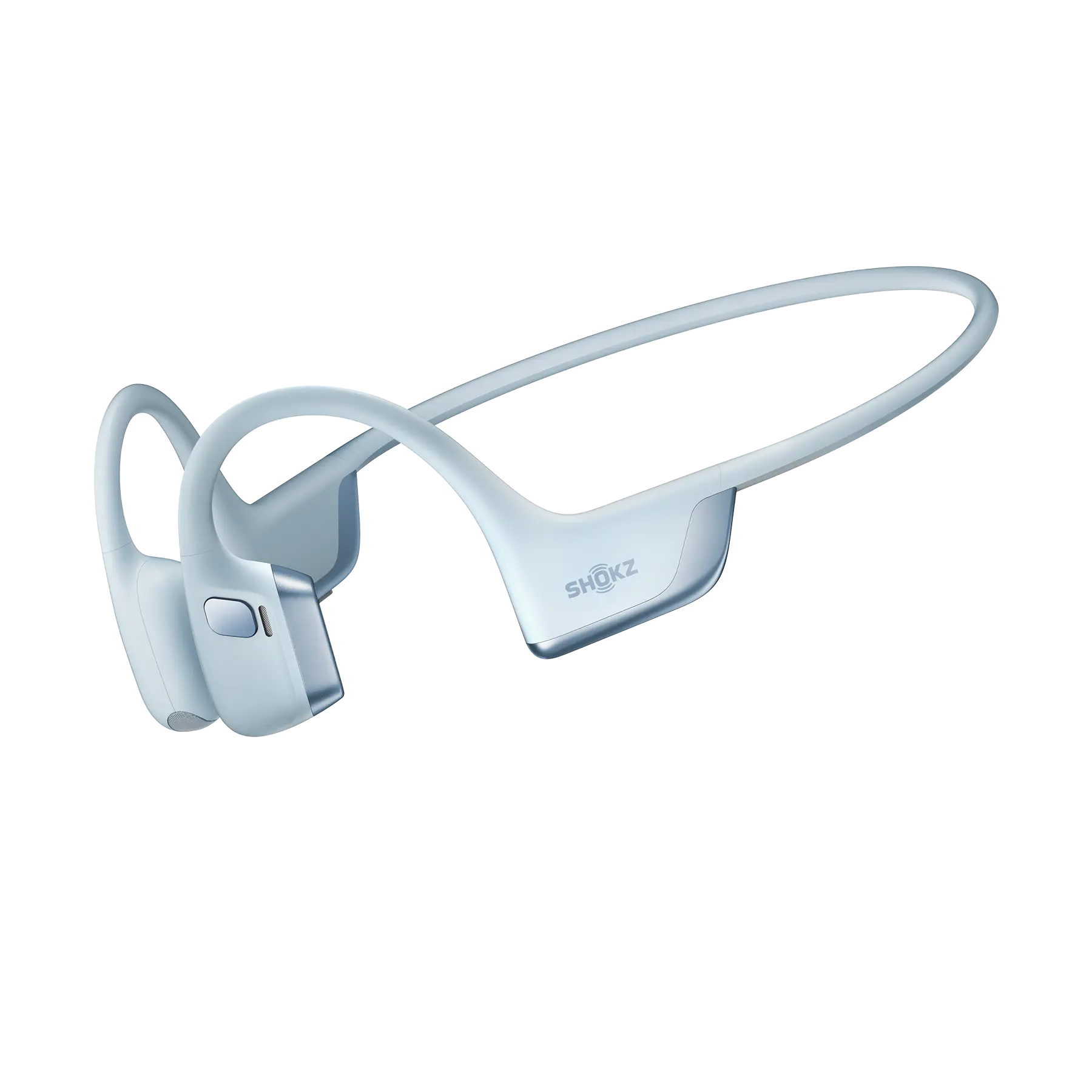
For outdoor use, comfort and situational awareness are the top priorities. You need to be able to hear your surroundings, like approaching weather or wildlife, while enjoying your music.
This is where open-ear headphones excel. Shokz OpenRun Pro 2 is a popular choice for hikers; its integrated ear-hook ensures it stays secure on uneven terrain, and the open ear design keeps you always aware of all around you. Its water-resistant build is also a major plus for handling unpredictable mountain drizzle.
-
Action Camera: Great for recording stabilized, high-definition footage of river crossings or rocky descents where a smartphone would be too awkward to hold.
-
Mini E-Reader: It weighs about the same as a granola bar but gives you an entire library. It’s honestly one of the best ways to wind down in your tent once the sun goes down.
Tips to Make Your Backpacking Trip Safer and More Comfortable
Once the gear is ready, it comes down to how you handle the trail. Here are some extra tips to make the journey a bit easier on yourself.
Research Your Route and Conditions Thoroughly
Vague descriptions are a risk; don't rely on them. Hit AllTrails or Parks Canada for the latest trail reports to check on snow levels, creek crossings, or washouts. Being proactive with the forecast helps you tweak your backpacking trip packing list. That way, you aren't stuck hauling dead weight or, worse, missing something critical for your safety.
Prioritize Weight Distribution and Packing Strategy
How you pack matters. Keep the heavy stuff, food and water, tight against your back and centered in the bag. This keeps your balance steady and takes the strain off your shoulders, making the miles go by a lot faster. Lighter, bulkier gear like your sleeping bag belongs at the bottom; it creates a solid base for the rest of your kit to sit on.
FAQ
1. Is 45 lbs too heavy for backpacking?
Yes, that's a beast of a pack. Unless you’re hauling gear for a week-long trek in the BC backcountry, 45 lbs is going to wreck your knees. A good rule of thumb, especially for Canadian terrain where the elevation gain is no joke, is to keep it under 20% of your body weight.
2. What is backpacking vs. hiking?
Hiking is basically a day thing. You’re usually back home by dark. Backpacking is a different beast altogether. It’s when you’ve got your entire life on your shoulders and you’re sleeping out in the bush, whether that’s in a tent or some remote provincial park lean-to. One main difference lies in your pack: backpacking requires you to expand your standard hiking gear to include everything you need for overnight survival, from shelter to a kitchen.
3. How to avoid bears while backpacking?
Keep your camp spotless. Everything that smells, snacks, toothpaste, whatever, goes in a bear-proof bin 100 metres away from your tent. Cook far from where you sleep, too.
4. What are the 10 essentials for backpacking?
Think of it as your "Big Three" pack, tent, and sleeping bag, plus the survival stuff. You'll need a headlamp, GPS/maps, and a way to call for help. Don't forget layers, a stove, and a solid plan for water. That’s the real baseline.
5. What is the best way to listen to music while hiking?
Stick with open-ear wireless headphones. They’re a game-changer because you don't actually tune out the world. You’ll still connect with nature. It’s a safe and enjoyable thing. Also, it is just respectful; no one else on the trail wants to hear your playlist.
Conclusion
You don't want to be miles into the bush only to realize your pack is a mess. Sorting your backpacking essentials now is basically a gift to your future self. Once that gear is dialed in, you can just stop worrying. You’ll be looking at the views, which is exactly how a trip in the Rockies (or anywhere, really) should be.
Author Information

guides on Shokz
Related Posts