It looks like you are visiting the United States of America website from Canada. Since we don't
ship orders from United States of America to Canada, please visit your local Shokz website.
Best Hiking Gear 2025: Essentials Every Outdoor Adventurer Needs
10 min
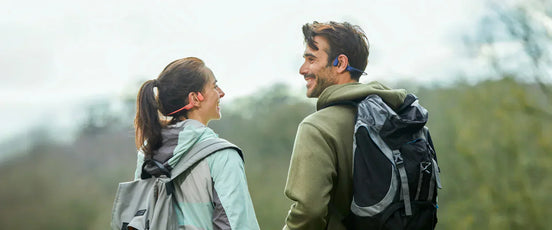
Hiking in Canada isn’t just a weekend plan. It’s fresh air, quiet moments, and time in nature. Trails stretch from B.C.’s coastal forests to Alberta’s high peaks and Ontario’s lesser-known waterfalls. Around Vancouver, day hikes are easy to reach. In Banff, multi-day routes are common.
Good boots keep your feet protected in spring mud, and a light rain shell helps when the weather shifts fast. Late spring to early fall is often the best window for many regions, with more stable trail conditions and clear views. Coastal areas, including Vancouver, can stay wet year-round, so layers and waterproof gear still matter in every season.
6 Hiking Essentials: What to Pack for a Hike
The right clothes decide how far you’ll happily walk. Good shoes grab the ground and soften the rocks, socks that breathe keep your skin calm, and shorts or pants that stretch and dry fast let the weather do its thing without bothering you.
1. Hiking Footwear & Apparel
It all begins with your outfit. Shoes that fit the trail, socks that breathe and layers for the season keep you comfy and out of trouble.
Hiking Sneakers – Grip, Cushion
Grab shoes or boots made for Canadian ground. Rocky paths and slick roots ask for sticky soles and soft landings; one solid pair keeps stones and mud from biting your feet.
Hiking Socks – Breathable and Blister‑Resistant
Socks matter as much as shoes. Go for cool, dry fabric that pulls sweat away and rubs less, so no hotspots bubble up.
Stay easy and weather-smart. Light, stretchy shorts dry fast on hot days; when it’s cold, soft pants block wind, brush and sun without slowing you down.
2. Hiking Carry & Load Systems
A good backpack is at the core of every hiking trip. It keeps your essentials all in reach, evenly distributes weight, and makes long-distance climbing easier to manage.
Day‑Hike Backpacks – Fit, Storage, Load Balance
For short hikes, choose a suitable backpack with padded shoulder straps and a breathable backboard. Find an easily accessible pocket to put snacks and water bottles in. A balanced load prevents shoulder strains on steep paths.
If your adventure lasts for more than one day, then choose a larger backpack with an internal support frame. This design distributes the load and reduces fatigue. Make sure there is enough space for clothes, food and safety equipment.
Hydration Systems – Hands‑Free Drinking, Compact Storage
It is important to stay hydrated on every road, especially in the dry mountainous areas of Canada. The hydrated bladder and reservoir make it easy to drink without stopping.
3. Hiking Support & Stability Gear
Support and balance are very important, especially on rough roads, steep slopes, and loose rocks. With the right support device, you will move more confidently and protect your joints from pressure.
Hiking Sticks – Lightweight Build and Joint Relief
A good pair of trekking poles can enhance stability and reduce pressure on the knees and ankles. They make climbing easier and descending safer - especially on long or rocky trails.
Knee and Ankle Braces – Added Stability for Uneven Terrain
If you have joint problems or need to carry a heavy backpack, braces can offer additional support. They help prevent overstretching and provide reassurance on uneven ground.
Hip Belts and Compression Straps – Balanced Weight, Less Fatigue
A well-fitted backpack should feel stable, not heavy. Hip belts help transfer most of the load to your hips, taking pressure off your shoulders.
4. Trail-Ready Headphones & Outdoor Accessories
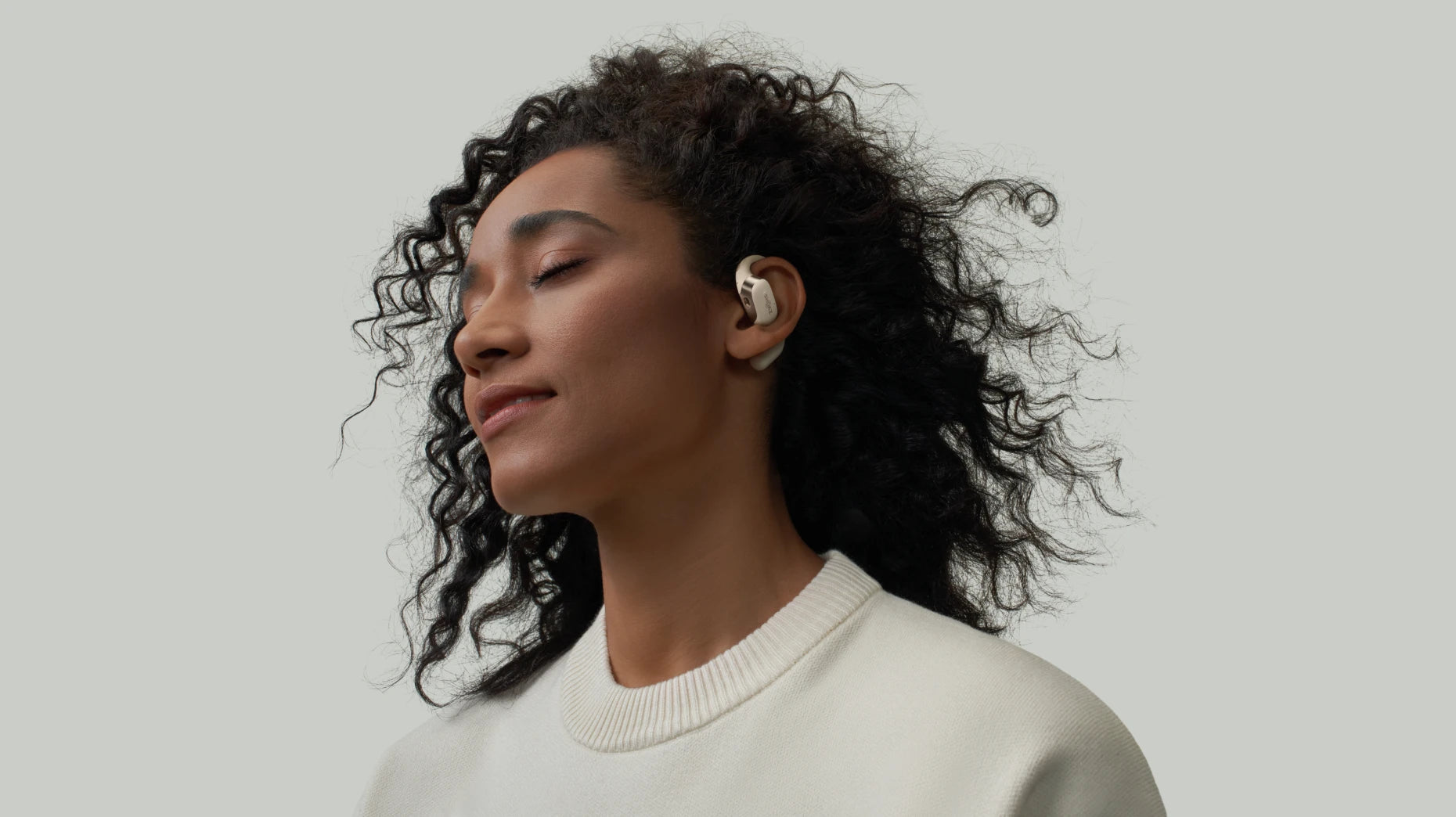
Staying in touch during the journey doesn't mean losing connection with nature. With the right outdoor accessories, like wireless headphones,you can enjoy your favorite playlists or podcasts while still hearing about the wind, water and the wildlife around you.
Headphones – Trail Safe, Ambient Awareness
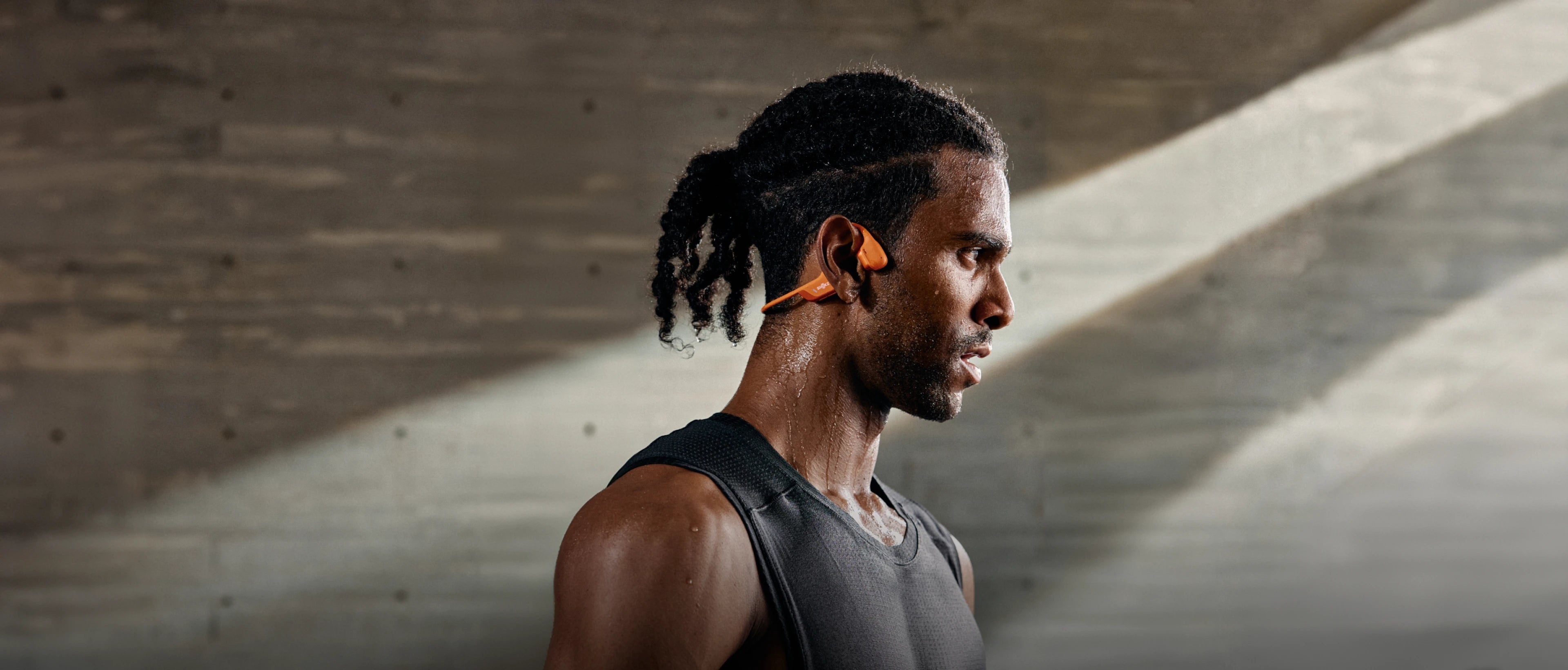
When hiking, safety comes first, especially on busy or remote trails.Shokz OpenRun enables you to enjoy music or navigation prompts without blocking out external sounds.
Its ear-opening design adopts the seventh-generation bone conduction technology, sending sound through your cheekbones, so your ears can be open to the world. Lightweight, comfortable and safe, even on long-distance climbs or uneven terrain.
Key Features:
IP55 Water Resistance: Withstands sweat and light rain, ideal for unpredictable Canadian weather.
Open-Ear Design: Keeps you aware of your surroundings while staying entertained.
Affordable Innovation: High-quality audio at a price every hiker can reach.
6-Hour Battery Life: Its battery lifeoffers enough power for a full day of hiking or sightseeing.
Portable Power Bank – Reliable Charging for Long Hikes
Long hiking trips will soon wear out your equipment. A compact power bank ensures that your phone or headlamp remains charged throughout your journey, an indispensable safety and navigation tool.
GPS & Headlamp – Navigation and Visibility in All Conditions
Whether you want to enjoy the sunrise or complete the descent at dusk, a reliable GPS and a lightweight headlamp are essential. They can help you maintain a sense of direction and visibility.
5. Hiking Weather Protection & Layering
The weather in Canada can change within minutes, sunny in the morning and rainy in the afternoon. This is why smart stratification is key. It makes you feel comfortable and ready to face any challenge that nature offers you.
A lightweight and packable raincoat is one of the best investments for any hiker. Choose a waterproof and breathable shell that can keep off the rain and sweat.
Mid‑Layer Insulation – Fleece/Down for Temperature Regulation
A good mid-layer for outdoor winter activitieskeeps you warm without feeling heavy. Wool and down are good choices, and wool stays warm even in damp weather.
Base Layer & Moisture‑Wicking Apparel – Sweat Management, Comfort
Your base layer is your first line of defense against discomfort. Choose moisture-wicking fabrics that can absorb sweat from the skin and help regulate temperature.
6. Emergency and Safety Gear
No matter how short or easy your route seems, safety gear should be part of your backpack. If something unexpected happens, some small things can make a big difference.
First‑Aid Kit – Essential Supplies for Minor Injuries
Prepare a compact first aid kit, which contains bandages, disinfectant wipes, waterproof foam pads, painkillers and personal medications. It is a simple preventive measure, but it helps a lot.
Satellite Locator – Stay Connected Off‑Grid
There is almost no mobile phone signal on many remote paths in Canada, making a GPS or satellite communicator essential for outdoor activities. It ensures you can send your location in an emergency, especially for solo hikers.
Signal Whistle – Audible Alerts in Critical Situations
A lightweight whistle can be heard from a long distance, helping rescue workers find you quickly. Before you start your hiking trip, you can clip one on your backpack strap.
Other Tips to Have a Good Hiking Travel
Good gear is only part of the story. Wise hiking habits will make your outdoor experience safer and more meaningful.
Plan Your Route and Check Conditions in Advance
Know the distance, altitude and estimated time of your route. Check the weather updates frequently - especially in a place like Vancouver, where a sunny morning can rain by noon.
Pack Light but Smart
Only carry the necessities: water, snacks, navigation tools and first aid supplies. Tidy up your backpack so that you can get what you need without having to look around.
Dress in Layers
Layering can help you quickly adapt to temperature changes. The moisture-absorbing bottom layer, insulating middle layer and waterproof shell will prepare you for anything.
Respect Nature and Wildlife
Stay on the marked path, pack up what you bring in, and give the wild animals enough space. Protect our parks and forests and ensure that these paths are beautiful for everyone.
Stay Hydrated and Energized
Drink water frequently and bring some energy-rich snacks, such as nuts or dried fruits. Water bags allow you to drink water easily while walking, perfect for long climbs or sunny ridges.
Frequently Asked Questions
What should I wear for Vancouver hiking during the rainy season?
Go for a waterproof jacket, quick-dry pants, and moisture-wicking layers. Waterproof hiking shoes and warm socks help keep your feet dry on wet trails.
How do I prevent sore shoulders and back pain when hiking with a backpack?
Use a backpack with shoulder pads and a waist belt. Bring heavier objects close to your spine to reduce stress and improve balance.
What’s the best way to break in new hiking gear before a big trip?
Take your new gear for a short hike. This helps soften your shoes, adjust the straps, and ensure everything feels comfortable before a long journey.
Final Thoughts
Carrying appropriate mountaineering equipment will make every path safer and more enjoyable. From suitable footwear for both men and women and breathable hiking clothing to trekking poles, hydration systems and emergency tools, every item adds comfort and confidence.
Even the small details count. Accessories like the Shokz OpenMove headphones let you enjoy your playlist while staying aware of every sound around you. After all the prep, you're set to explore Canada's stunning trails, from British Columbia's coastal paths to Banff's mountain routes. Let's start the adventure together, Shokz OpenMove on.
Author Information
NIKI Jane
NIKI Jane is a writer for Shokz. When not creating content, she’s usually out with her OpenRun Pro 2—cycling, hiking, and running wherever the road takes her.