Binaural Beats for Healing: What They Are and Which Types Support Physical, Emotional, and Sleep Health
Ever spend the whole night tossing and turning, only to wake up feeling wiped out? Plenty of people in Canada are looking for a way to ditch the meds and find a natural way to settle the nerves or get some work done. That’s where binaural beats for healing come into play. It’s a practical tool that helps your brain get into the right headspace. Here’s the lowdown on how it actually works, what it does for you, and how to try it out without any hassle.
What Are Binaural Beats?
If you have been scouring the web for "what is a binaural beat," you likely already know they are a go-to for sleep or concentration. The real hurdle is understanding how simple frequencies can actually shift your mental state.
Definition of Binaural Beats
Binaural beats occur when you present a slightly different frequency to each ear. Your brain doesn't just process these as two separate noises; instead, it bridges the gap by creating a third, internal pulse. This perceived rhythm is the "beat" itself. Depending on that frequency offset, you can effectively steer your brain toward anything from a deep, meditative hum to a state of high-alert productivity.
How Do Binaural Beats Work?
Your brain is constantly pulsing with electrical activity. These waves slow down when you are drifting off and speed up when you are under pressure. Through a process called "entrainment," your brain naturally mirrors external rhythmic stimuli. It is remarkably similar to how your body subconsciously adopts the tempo of a heavy bassline at a concert. By providing a steady auditory pulse, binaural beats encourage your brain to sync its internal clock to a desired frequency.
Requirements for Binaural Beats Creation
For the effect to take hold, your audio environment needs to meet specific criteria:
-
Sub-1,000 Hz Frequencies: The brain identifies these subtle shifts far better at lower frequencies.
-
A Suitable Frequency Gap: To mimic natural brainwaves (like Alpha or Theta), the difference between the two tones should stay under 30-50 Hz.
-
True Stereo Separation: This is where many fail. You need isolated channels for each ear, meaning standard speakers are out of the question.
Most listeners grab a pair of standard Stereo earbuds, but there is a catch. The "plugged-in" sensation, that physical pressure inside the ear canal, often triggers a stress response. This is the exact opposite of what you want when trying to reach a meditative state.
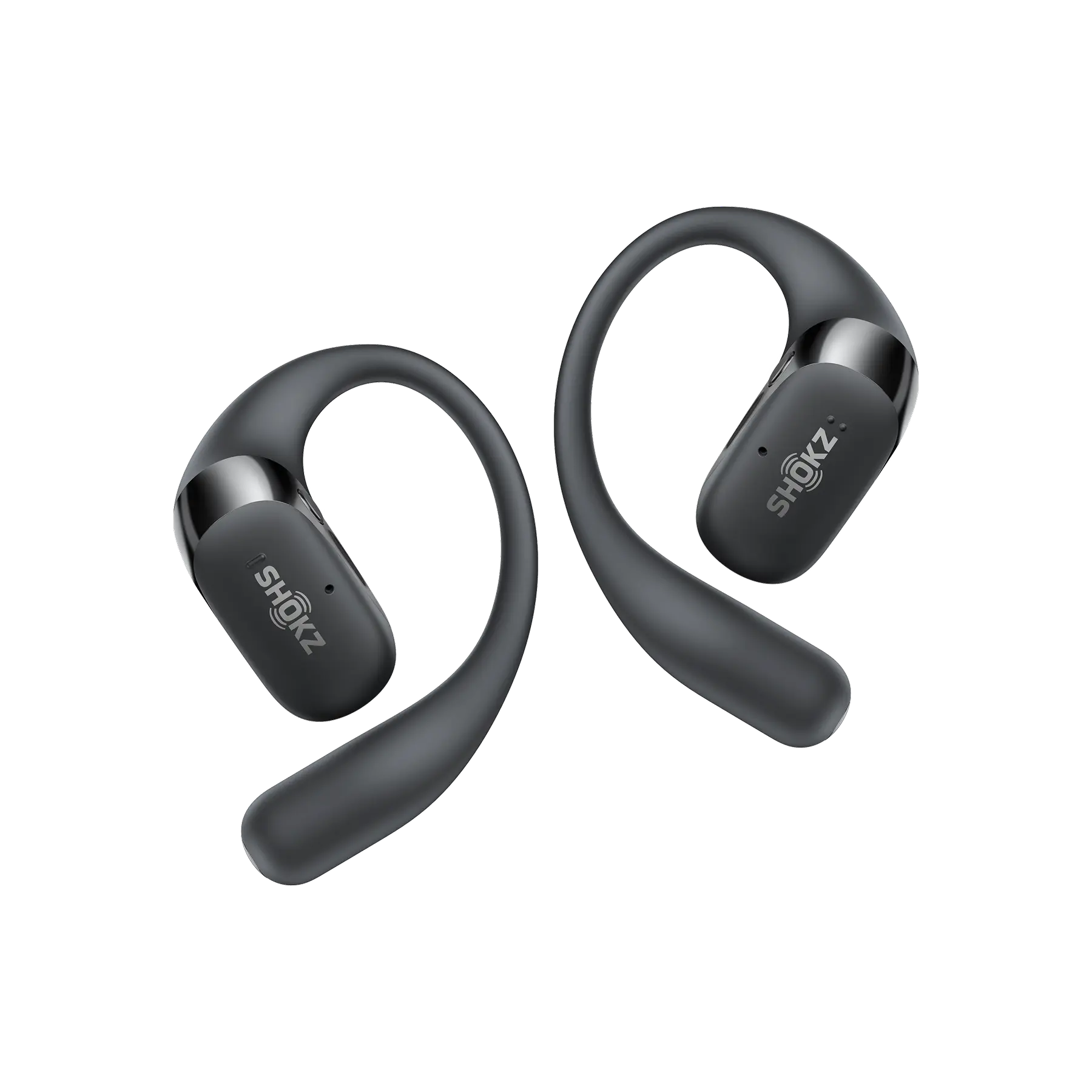
This is where Shokz OpenFit 2+ helps improve the experience. By opting for an open-ear design, the binaural beats feel less like they are being forced into your head and more like they are part of the room’s atmosphere. This sense of "spatial transparency" removes that closed feeling. Since they are practically weightless, you can actually stay in that focused or restful zone longer.
Once you have your hardware sorted, the next step is simply matching the frequency to your goal. By fine-tuning that gap between tones, you can hit specific mental gears with impressive precision.
The Five Brainwave States and Their Functions
Your brain goes through distinct electrical rhythms, each governing specific mental states, from physical restoration and creative flow to sharp concentration.
1. Delta Waves (0.5–4 Hz)
Delta is the signature of dreamless, deep-stage sleep. These frequencies facilitate physical healing and reduce cortisol. It also helps manage chronic pain. It is the brain's slowest gear, dedicated to total recovery.
2. Theta Waves (4–8 Hz)
Theta occurs in the slipstream between waking and sleep, or during deep meditation. Also, it’s the "creative" frequency where scattered thoughts click into breakthroughs. For anxious minds, it’s a vital tool to switch the nervous and panic to calm.
3. Alpha Waves (8–13/14 Hz)
Alpha is that "relaxed but ready" state. Think post-yoga or quiet reflection. It’s perfect for soaking in new information. Much like the calming effect of lofi music, many use alpha waves to stay calm and focused during study or creative work.
4. Beta Waves (14–30 Hz)
Beta is your default for active engagement. It drives your focus during emails, conversations, and routine tasks. It keeps you sharp and tethered to your daily responsibilities, though staying here too long can feel "wired."
5. Gamma Waves (30–100 Hz)
Gamma marks peak mental performance. It’s linked to high-level perception and solving complex problems. You hit this range when fully immersed in challenging work that demands your entire cognitive bandwidth.
Comparison Chart
|
Brainwave Type |
Frequency Range (Hz) |
Primary State |
|
Delta |
0.5 – 4 |
Deep sleep |
|
Theta |
4 – 8 |
Meditation, insight |
|
Alpha |
8 – 13/14 |
Relaxation |
|
Beta |
14 – 30 |
Alert focus |
|
Gamma |
30 – 100 |
High-level cognition |
Health Benefits of Binaural Beats
It isn’t just about feeling "zen." Binaural beats actually act as a solid sidekick to your usual wellness routine. Here are some common binaural beats benefits.
1. Anxiety and Stress Relief
Theta and alpha tones help flip the switch on your parasympathetic nervous system. The biological "rest and digest" mode that counteracts chronic stress. The study saw anxiety levels drop significantly after just a 30-minute theta session. By curbing cortisol and nudging serotonin levels up, these beats help pull your brain out of that exhausted, high-alert loop.
2. Improved Sleep Quality
Delta frequencies act like a magnet for deep-stage sleep. Most people find they stop tossing and turning and actually stay out for the night. Using audio to get to sleep faster by spending 20 minutes with these beats before bed preps your brain naturally, so you maybe aren’t stuck relying on a pill bottle just to get some decent shut-eye.
3. Cognitive and Focus Enhancement
Locking into Alpha or low-Beta ranges is a solid way to clear the mental clutter. It’s not about "grinding harder"; it’s about finding a steady rhythm that helps you absorb info and stay in the zone without that shaky, over-caffeinated feeling.
4. Pain Management
Research suggests that frequencies from Delta to Alpha can actually blunt the perception of sharp pain. Because pain tends to put your brain on high alert, these beats work by forcing a relaxation response, essentially lowering the volume on those pain signals.
5. Deepened Meditation
Think of these beats as a shortcut to deep stillness. They nudge your brainwaves toward slower rhythms, making it way easier to settle down and stay centered without your mind wandering off to your to-do list every thirty seconds.
Practical Tips for Binaural Beats for Healing
Getting the science down is one thing, but your actual setup is what moves the needle. A few quick tweaks to your surroundings and habits can honestly double your results.
Listen in a Comfortable Environment
Find a quiet nook where you won't be suddenly disturbed. A bedroom, a dedicated meditation corner, or even just sitting in your car after a shift works fine. To help your nerves relax, dimming the lights. Temperature also plays a role: A cooler room (18-20°C) helps you stay sharp, while a slightly warmer space (21-23°C) is better for crashing for the night.
Duration and Consistency
Your brain isn't a light switch; it needs time to catch the rhythm. A five-minute session won't cut it. You really need a 10–20 minute window for your neural rhythms to truly sync up. It’s all about consistency. Try setting aside a regular time each day, like right after waking up or before bed, to listen. This helps your brain hold that desired state much longer.
Maintain a Moderate Volume
Don’t blast the audio. Aim for about 30-40%, just enough to hear the pulsing rhythm without any strain. Pushing it too loud isn't just bad for your ears; it actually creates physical tension, which defeats the whole purpose of trying to relax. If you’re layering it with rain or ocean sounds, just make sure that the underlying "beat" stays audible.
Safety and Precautions for Binaural Beats
Binaural beats are mostly a safe bet, but they do mess with your brain’s electrical rhythms, and that requires a bit of common sense.
Consulting Healthcare Professional
You should know the dangers of binaural beats. If you have epilepsy, a history of seizures, or use a pacemaker, checking in with a doctor before hitting play is essential. Since rhythmic sound can, in theory, trigger a seizure in sensitive systems, it’s a "safety first" scenario.
Avoiding High-Risk Activities
Never hit play while driving, operating heavy machinery, or handling anything that requires your full, undivided attention. Delta and theta frequencies are literally designed to induce drowsiness, which can seriously impair your reaction times. Save your listening sessions for stationary settings, like your couch or bed.
Setting Realistic Expectations
It helps to view binaural beats as a supportive sidekick rather than some kind of "magic bullet" cure. They work beautifully to complement therapy and medication, but they aren't a replacement for professional clinical treatment.
FAQ
1. Do Binaural Beats Actually Work?
It's not some magic pill, but they may help a lot of people find their "zone." Whether that’s for sleep or focus, the results are pretty individual. Some swear by them, while others feel a milder shift. Your best bet is to just try a session and see how your own brain handles the frequencies.
2. Can Binaural Beats Rewire Your Brain?
There is zero clinical evidence to suggest that binaural beats permanently "rewire" neural pathways. Rather than structural changes, think of these as a temporary guide for shifting mood or focus. It’s about state management, using auditory cues to nudge the brain into a specific headspace, not a permanent hardware overhaul.
3. Is It Safe to Listen to Binaural Beats Every Day?
For the vast majority of users, daily sessions are usually safe and integrate well into a standard relaxation or deep-work routine. The key is to avoid being reckless: keep the volume at a moderate level and choose comfortable wireless headphones to prevent ear fatigue. However, the medical boundary is firm. If you have epilepsy and other mental illnesses, a consultation with your physician is mandatory before you start.
4. How to Use Binaural Beats Correctly?
First, make sure to use a good pair of stereo headphones. Binaural beats only work when each ear hears a slightly different tone. To get the most out of a session, you need to be intentional. Pinpoint your objective, be it sleep induction, anxiety relief, or cognitive sharpeners, and match the frequency accordingly. It’s recommended to start with 15–20 minute sessions in a controlled, quiet environment, adjusting the duration as you become accustomed to the sensation.
5. Which Sound Frequencies Are Healing?
Efficiency depends entirely on the target goal. Delta (0.5–4 Hz) is consistently the top performer for deep sleep and physical recovery. Theta (4–8 Hz) excels at easing anxiety and deepening meditative states. For those needing to stay relaxed but sharp, Alpha (8–13 Hz) is the sweet spot. Everyone is wired differently, so the best strategy is to experiment and find the specific range that clicks for your biology.
Conclusion
Using binaural beats for healing is an accessible way to tap into your brain's natural electrical rhythms. It’s not some overnight miracle, but it may offer genuine support. The real value here is tied to consistency rather than immediate results, so the suggestion is to start small and actually track the subtle shifts in your focus as they happen. Don't rush the process; just give your nervous system the breathing room it needs to find a rhythm that actually clicks for your specific biology.
Author Information

guides on Shokz
Related Posts