What Is Reverb and How Does It Work?
If you've ever sat there thinking what is reverb, just imagine yourself clapping in a massive, empty hall or even just singing away in a tiled bathroom. You'll notice that the sound doesn't just stop dead the second you’re done; it sort of sticks around for a moment and then slowly disappears. That is the basic reverb. In this guide, we are going to look at how reverb actually works and how it ends up changing the way we hear everything.
Reverb Explained: Understanding Its Role in Sound
What is reverberation exactly? Reverberation occurs when sound waves encounter multiple reflective surfaces within an environment, creating a complex web of persistent reflections. Unlike a singular echo, these reflections arrive at the ear with such high density that the brain perceives them as a singular, decaying trail of sound. This phenomenon is measured as "decay time." It allows listeners to map the dimensions and material composition of a room.
Why Does Music Need Reverb?
If you are wondering what reverb is in music, it is about a lot more than just making things sound "pretty." To be honest, it is what makes the audio feel rich and creates a space you can actually believe in. It is really the best tool for moving a listener’s emotions around.
Simulating Real-World Spaces
At the end of the day, reverb is just the sound of a voice traveling and hitting the walls. When you add it to a track, you are basically recreating how sound behaves in the real world. That is what pulls someone out of their own room and drops them into a specific setting, making the whole thing feel three-dimensional instead of just flat.
Adding Depth and Fullness
The problem with music recorded directly is that it often sounds a bit brittle and thin. Reverb uses that "decay time" to fill in the gaps between the notes, which adds a layer of thickness. It makes the whole performance feel way more substantial and just smooths out those sharp, harsh edges of the original recording.
Creating Emotive Atmosphere
Most musicians now use different reverb effects to change how people feel when they hear a song. By messing with the decay times on vocals or an instrument, you can shift the energy from something very tight and punchy to a much more spacious sound. It is easily the best way to control the actual atmosphere of the final track.
Common Types of Reverb
Now you know the reverberation meaning. Let’s look closely at its types. The whole vibe of a reflection changes depending on how big the room is and what the walls are actually made of.
Hall Reverb
These are based on massive concert halls, so you are looking at long decay times that often go over two seconds. The sound is lush and huge, which makes it a perfect shout for orchestral music or those big, soaring ballads where you really want to lean into that majestic scale.
Room Reverb
This one is meant to copy smaller, everyday spots like a studio or even just your living room. It gives the track some natural "airiness" without making the original melody sound all washed out. It is pretty much the go-to for intimate acoustic sets where you need clarity just as much as you need a good vibe.
Plate Reverb
This is a bit of an old-school move using a large metal plate to reflect the sound. People love it because it has this bright, smooth texture that just sits really nicely behind a vocal. That unique shimmer it has helps the lead instruments stand out without making the mid-range sound messy or cluttered.
Spring Reverb
You will mostly find this built into guitar amps. It uses a literal coiled spring to get that bouncy, metallic sound. It is a massive staple for surf rock and blues because it adds that lo-fi, "twangy" grit to an electric guitar that you just can't get anywhere else.
Reverb vs. Echo: Key Differences
If you’re trying to tell them apart, it really just comes down to how fast those reflections hit your ears. An echo is basically just a few distinct "pings" of sound that you can actually count one by one. But when people talk about reverb, they really mean a thick cloud of sound where you can't tell one reflection from the next.
The easiest way to think about an echo is like shouting into a massive valley. You’ll hear that clear "Hello" bouncing back from a cliff somewhere in the distance. Reverb, though, is much more like singing away in the bathroom. You aren't getting those separate repeats; it’s just that the whole sound feels way thicker and has a lot more resonance to it.
How to Judge Good Vs. Bad Reverb in a Song
Good reverb should feel like a natural part of the instrument. It makes the sound feel spacious but still clear. The vocal is full and the rest of the mix sits neatly around it. You can tell it is doing its job when the whole space vibe stays tucked behind the melody.
A bad reverb is easy to spot. When the mix sounds foggy, the lyrics are hard to catch, or the beat feels like it’s dragging, the reverb is probably too heavy. Plus, if that "tail" on the sound hangs around for way too long, it just creates a messy wash that totally ruins the rhythm of the track.
How to Control Your Reverb with Headphone EQ
With just a couple of quick EQ tweaks, you can really change how reverb behaves in your wireless headphones and bring a bit more life into something you’re listening to.
1. Understanding the Connection between EQ and Reverb
Both EQ and reverb shape what you hear, but they do it in totally different ways. Reverb covers the whole frequency range, while EQ lets you target specific spots to boost or cut. When you get them working together, you can make the low end feel full but clear, the mids stay warm, and the highs bright without hurting your ears.
2. Reducing Low-End Overload to Clear Sound
Having too much going on in the 200 to 500 Hz range just makes everything sound muddy and cramped. If you use your equalizer to slightly cut that range, you’re basically giving the reverb some room to breathe. It helps the main melody stand out and makes the whole mix feel a lot cleaner.
3. Adding Brightness with High-Frequency
If you want to catch that "air" in a recording, you really need to focus on the 6kHz to 10kHz range. A tiny little boost here adds so much clarity and brings out those subtle fading tails that make a mix sound polished and alive.
4. Maintaining Comfort, Avoiding Fatigue with Balanced EQ
Harsh reflections are the quickest way to get ear fatigue during a long session. Using EQ, keeping a balanced profile makes sure those spatial effects stay immersive rather than piercing. Plus, it just protects your hearing. A smoother high-end means you can actually listen for hours in high detail without it getting annoying.
5. Mastering Reverb with Right Headphones
Even if you're an EQ pro, not all headphones can actually handle these tiny shifts. To truly appreciate the nuances of sound, finding the best headphones for music is essential, as you need a decent soundstage and tuning flexibility to catch a fading tail. The right pair just makes your adjustments way more effective.
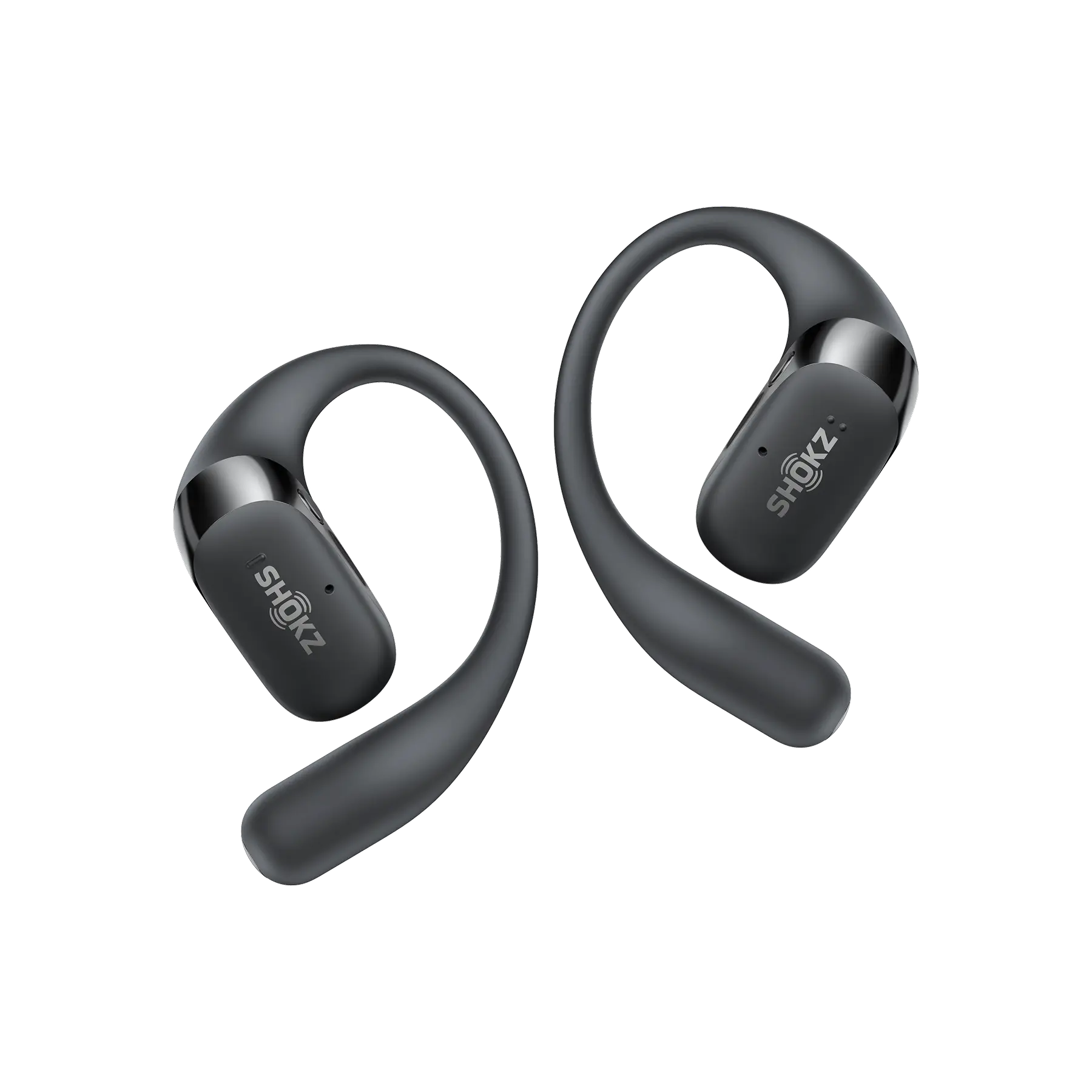
For anyone who really wants to feel that depth, Shokz OpenFit 2+ is a solid shout. Its open-ear design gives you a naturally wide soundstage, which makes those massive hall reverbs feel real. You can use the Shokz App to easily thin out the low end or boost the highs to clean up the audio. It’s a great way to master all those spatial details while staying comfortable.
FAQ
1. What is a reverb for dummies?
Think of reverb like the “aftertaste” of a sound. It’s what makes music feel warm, full, and like it’s happening in a real space instead of a dry, silent room. It leaves this little trail that makes music feel alive.
2. Can too much reverb ruin a song?
If you overdo it, the sound becomes muddy and unclear. The instruments may lose their punch, and you can’t even understand the lyrics anymore. This makes it harder to listen to a song clearly and can throw off its natural rhythm and flow.
3. Is reverb the same as distortion?
Not at all. Distortion actually messes with the shape of the sound wave to make it sound "gritty" or fuzzy. Reverb is just about adding reflections to make things feel "spacious." They do completely different jobs in a mix, even if people do tend to use them together quite a lot.
4. What are some famous songs with reverb guitar?
"Wicked Game" by Chris Isaak is basically a masterclass in this. The way they used that deep, moody reverb created such an iconic vibe. The guitar feels like it’s echoing across a massive, empty beach, which fits the whole mood of the song perfectly.
5. Can you have reverberation without echo?
You sure can. Reverb is just a massive pile of tiny reflections happening so fast that your brain can’t hear them as separate echoes. As long as those reflections hit your ears within a tiny time frame, you get that smooth reverb sound without any of those distinct, repeatable echoes.
Conclusion
Noticing how a sound fades into the background is the best way to understand what is reverb. It is the reason a studio recording feels like it belongs in a real room rather than a digital void. That subtle decay you hear behind a singer’s voice or the ring of a guitar solo is what gives music its physical weight and emotional depth. When you listen closely from now on, you will see that these fading reflections are not just background noise. They are the primary reason a track feels three-dimensional and immersive.
Author Information

guides on Shokz
Related Posts