Do Bone Conduction Headphones Sound Good?
Bone conduction headphones have become increasingly popular among runners, cyclists, and office workers who want to stay aware of their surroundings. A frequent question remains: do they provide satisfying sound quality? This article looks at how bone conduction headphones perform, explains the technology behind their sound, outlines factors affecting audio quality, and reviews Shokz headphones designed for clarity and fidelity.
How Bone Conduction Headphones Deliver Sound
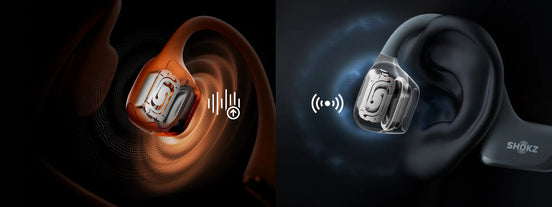
Bone conduction headphones transmit sound vibrations through the cheekbones directly to the inner ear (cochlea), bypassing the eardrum. Unlike traditional headphones, this open-ear design allows you to listen to music, podcasts, or calls while staying aware of your environment. This can be especially useful for outdoor activities, offering both enjoyment and safety. While they deliver clear audio for most types of content, they typically have a lighter bass response compared to in-ear or over-ear headphones because of the nature of bone conduction technology.
Audio Characteristics
- Mids and Highs: Very clear, making speech, podcasts, and acoustic music easy to follow.
- Bass: Naturally lighter—bone conduction technology limits low-frequency vibrations, so deep bass notes are less pronounced than with conventional headphones.
- Overall Balance: For activities such as running, commuting, or calls, the combination of clarity and situational awareness can outweigh the reduced bass depth.
In short, bone conduction headphones are not designed for high-fidelity, immersive listening, but they provide clear audio for everyday use.
Key Technologies Affecting Audio Quality
Several engineering factors influence the sound quality of bone conduction headphones:
- Vibration Transducers & Placement: Drivers sit on the cheekbones and convert electrical signals into micro-vibrations. Proper placement ensures consistent midrange clarity and balanced sound.
- Acoustic Tuning Algorithms (e.g., PremiumPitch™): Digital processing optimizes frequency response, reduces distortion, and improves perceived sound quality.
- Leak-Reduction Frames: Frame design minimizes vibration loss and slightly enhances perceived low frequencies.
- Stable Frame Construction: Lightweight titanium or flexible frames maintain steady contact with the cheekbones during movement, ensuring reliable sound transmission.
User Impact on Sound
These technologies keep midrange and treble frequencies clear and intelligible, reducing distortion and vibration loss. However, bass depth remains naturally limited, and some subtle details may be harder to notice in noisy environments.
How They Compare to Traditional Headphones
Traditional headphones send sound through the air into the ear canal, where the eardrum converts air pressure changes into vibrations for the cochlea. Key differences compared to bone conduction headphones include:
| Feature | Traditional Air-Conduction Headphones | Bone Conduction Headphones |
|---|---|---|
| Frequency Response | Can produce full-range audio with strong bass | Clear mids and highs; lighter bass response |
| Soundstage | Over-ear designs provide a more immersive environment | Open-ear design preserves environmental awareness while keeping mids and highs clear |
| Noise Handling | Sealed designs reduce outside noise | External sounds are present, but good transducer design maintains clear audio |
| Eardrum Bypass | Sound passes through the eardrum | Direct cochlea stimulation keeps ears open without muffling frequencies |
| Bass Depth | Strong low-frequency impact | Limited sub-bass, but mid/high clarity remains |
| Listening Safety & Awareness | Can reduce situational awareness | Open-ear design allows awareness of surroundings |
Bone conduction headphones trade off bass depth and immersive soundstage to deliver clear mids and highs, making them well-suited for outdoor and active use rather than purely music-focused listening.
Factors That Influence Audio Quality
Several practical factors affect real-world performance:
- Transducer Placement: Misaligned drivers can reduce clarity and bass response. Adjust until both sides sound balanced.
- Fit and Pressure: Drivers should sit snugly but comfortably on the cheekbones. Too loose can reduce fidelity; too tight can cause discomfort.
- Audio Source Quality & Volume: Higher-bitrate or lossless audio provides more detail. Compressed files or weak Bluetooth signals may reduce perceived quality.
- Environmental Noise: Open-ear design lets in outside sounds. Listening at moderate volume or in quieter spaces can improve clarity.
- Battery Level: Low battery can limit output and dynamic range. Fully charge before extended listening.
Paying attention to these factors helps maximize clarity and balance.
Are Bone Conduction Headphones Right for You?
Bone conduction headphones are suitable if you value open-ear listening, situational awareness, and clear mids and highs over strong bass.
Best Use Cases: Running, cycling, commuting, office calls. These headphones provide clear sound while allowing awareness of surroundings.
Limitations: They are not ideal for immersive music experiences or studio-level fidelity. Over-ear or in-ear headphones deliver more bass and a wider soundstage.
Ultimately, whether these headphones are “good” depends on your listening priorities: practical, open-ear clarity versus bass-rich, immersive audio.
Best Bone Conduction Headphones for Audio Quality – Shokz
Shokz (formerly AfterShokz) is a leading brand in the bone conduction space. Notable models for audio quality include:
| Model | Audio Strength | Ideal Scenarios | Key Technology |
|---|---|---|---|
| Shokz OpenRun Pro 2 | Balanced mids and highs with slightly enhanced low-end; clear vocals and acoustic detail | Long runs, outdoor workouts, cycling; podcasts and music where clarity matters | PremiumPitch™ technology reduces vibration leakage; titanium frame ensures stable transducer contact |
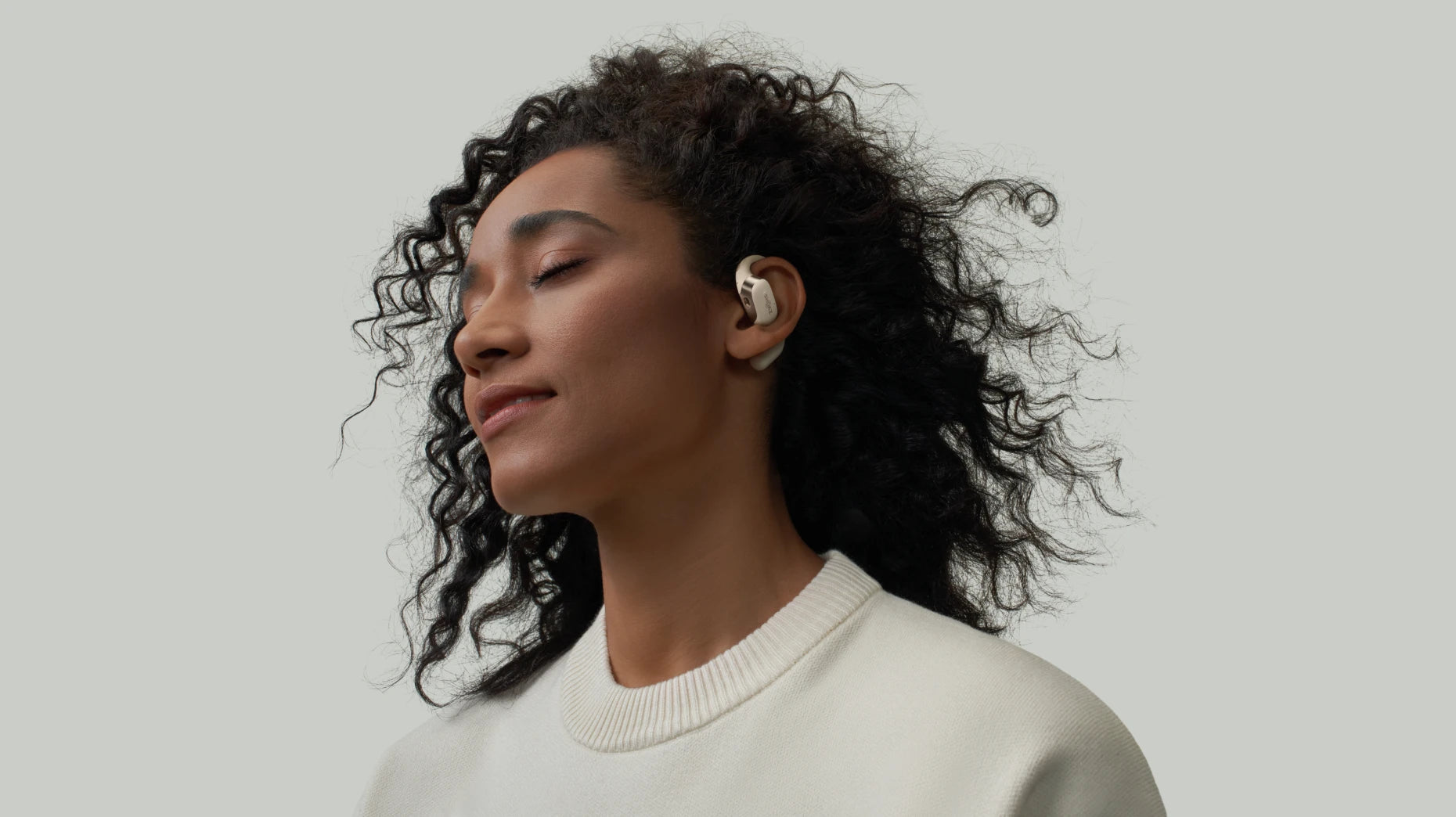
| Shokz OpenDots ONE | Clear mids and highs; lightweight for comfort | All-day wear, frequent calls, casual music | Ultra-light frame reduces pressure while maintaining driver contact for consistent audio |
All Shokz models use PremiumPitch™ to optimize frequency response and minimize vibration loss. While they do not provide deep bass like conventional headphones, they offer clear and consistent audio, particularly in midrange and treble.
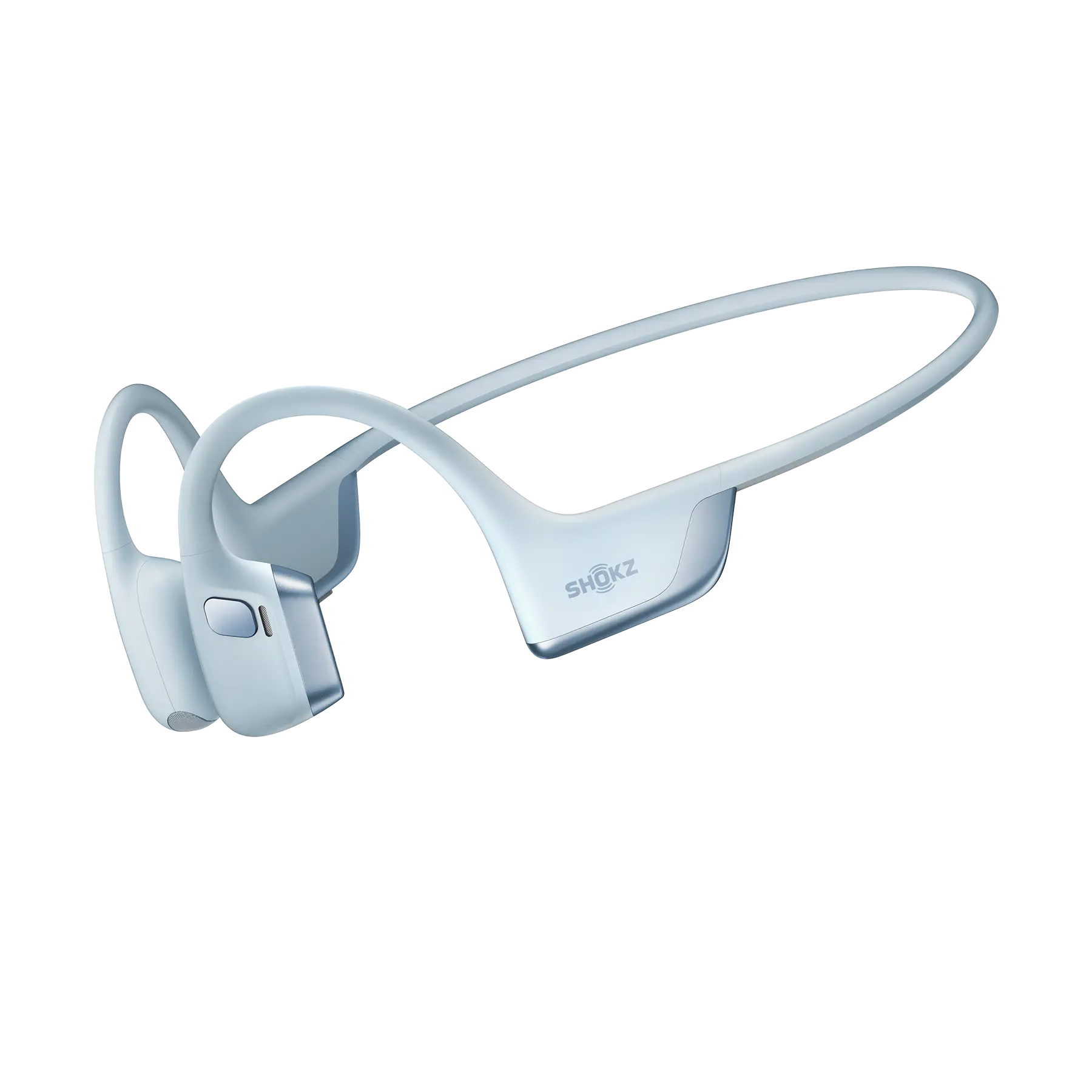

User Tip: Choose a model based on fit, driver stability, and intended activity to ensure the clearest sound for your needs.
FAQs about Bone Conduction Headphones Audio Quality
Q1. Can bone conduction headphones affect hearing?
They bypass the eardrum, which can reduce risk at moderate volumes, though prolonged exposure to very high volume could still be harmful.
Q2. How do they perform in noisy environments?
Background noise may make subtle sounds harder to hear. They perform best in moderately quiet spaces or with models designed for efficient vibration transfer.
Q3. How can I get the best audio quality?
Ensure proper transducer placement and secure fit. Use high-quality audio sources and listen at comfortable volumes.
Q4. Who benefits most from bone conduction headphones?
Runners, cyclists, commuters, and office workers who prioritize clear sound and situational awareness over deep bass.
Conclusion
Bone conduction headphones provide clear mids and highs while keeping you aware of your surroundings, though their bass response is naturally lighter. By optimizing fit, placement, and audio source quality, you can achieve the clearest sound possible. Shokz headphones offer reliable, balanced audio, making them a solid choice for active lifestyles that value clarity and awareness over deep bass.
Author Information

guides on Shokz
Related Posts