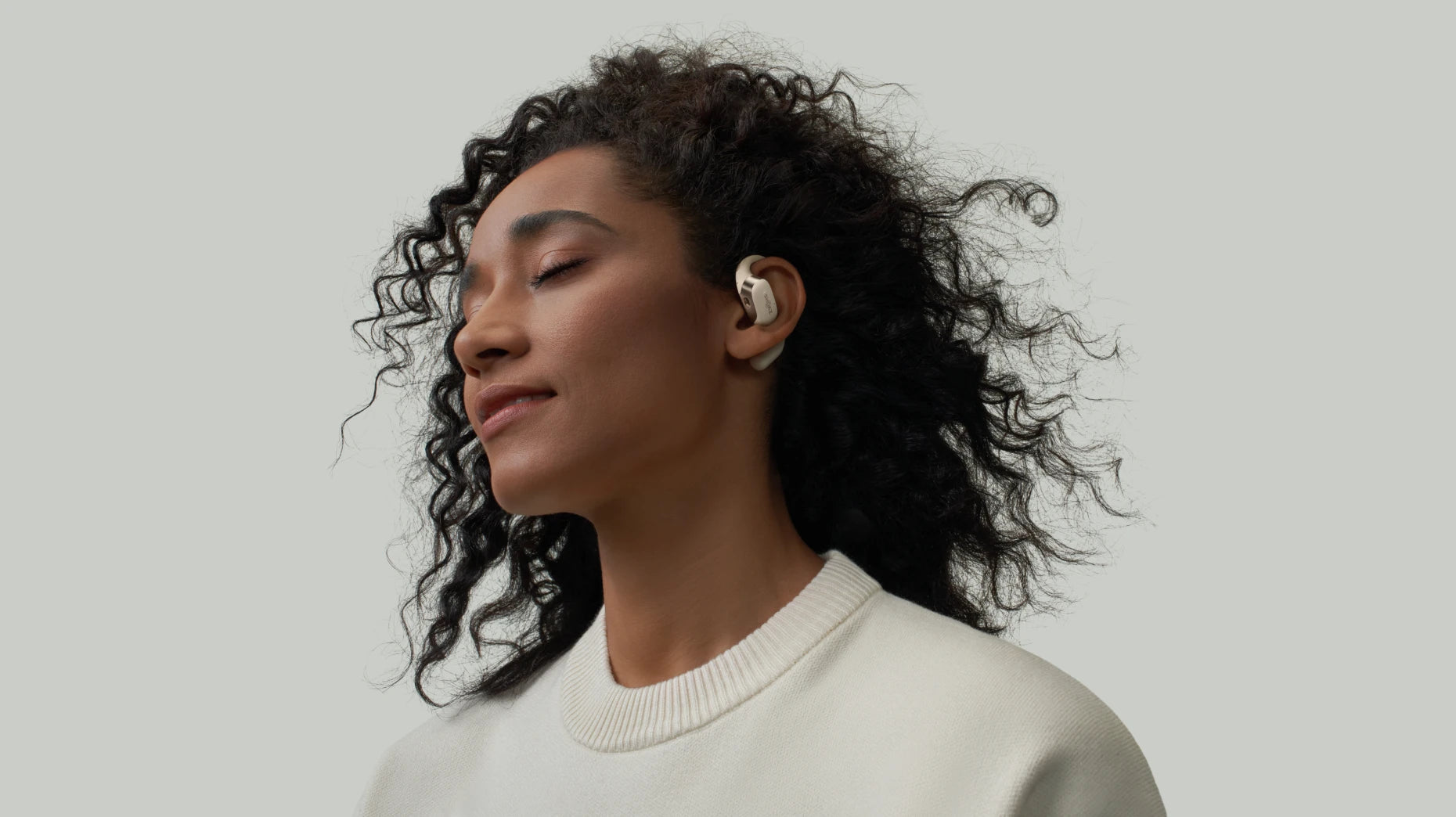
Best Earbuds for Cycling: Enjoy Music Safely on Every Ride
If you’ve ever tried riding with the wrong pair of earbuds, you already know how frustrating it can get. One minute you’re cruising, the next an earbud slips out, sweat ruins the seal, or you realize you can’t hear what’s coming up behind you. Music is brilliant on a ride, but only if it doesn’t become a hazard.
Instead of guessing what might work, it helps to look at what actually matters when choosing the best headphones for cycling. The right pair isn’t about heavy bass or flashy features. It’s primarily about staying aware, staying comfortable, and not fussing with gear when you should be watching the road.
How to Pick the Best Earbuds for Cycling
Cycling isn’t just about speed. It’s about rhythm, focus, and staying safe on the road. Here’s how to choose the best wireless headphones for cycling to keep your ride smooth and motivating.
Sweat and Water Resistance
Cycling inevitably brings sweat. Even on a brisk Canadian morning, you’ll build moisture around your face and helmet. Earbuds that aren’t sweat-resistant either slip around or die early. IPXX ratings for headphones aren’t just marketing fluff—they tell you whether the earbuds will hold up when things get damp.
Stability
Many earbuds sound great when you’re stationary, but fall apart the second you hit a pothole. Riders need something that stays put even when your head moves or the road gets rough. For most cyclists, open-ear frames or ear-hook styles are simply easier to trust than in-ear buds.
Sound Quality
You don’t need home-theatre sound on the road, but you also don’t want thin, tiny audio that gets completely drowned out by the wind. Good cycling earbuds keep vocals clear and provide enough low-end to enjoy your music without masking essential street sounds.
Comfort for Long Wear
Long rides shouldn't equate to ear pain. Anything that plugs the ear canal eventually becomes fatiguing. Open-ear designs (bone conduction or air conduction) remain far more comfortable because they don’t jam into anything. They let the ear breathe naturally.
Real-Time Adjustment
Volume changes, quick muting, and pausing with gloves on—these little things make a big difference. Easy-to-reach physical buttons are much safer than tapping tiny touchpads that refuse to respond to sweaty fingers.
3 Best Bone Conduction Headphones for Cycling
Below are three Shokz open-ear headphones that typically make the most sense for cyclists because they don’t block your ears and don’t shift around when you’re moving. Being open-ear, you stay fully aware of cars, runners, bike bells, and everything else you’re supposed to notice.
OpenRun Pro 2
If you’ve ever tried riding with standard earbuds, you know how quickly they start feeling unsafe. They either block too much sound, or they wiggle loose the moment the pavement gets rough. The OpenRun Pro 2 avoids all of that. It sits outside your ears, stays in place even when you’re picking up speed, and keeps traffic noise audible so you can ride with confidence instead of guessing what’s around you.
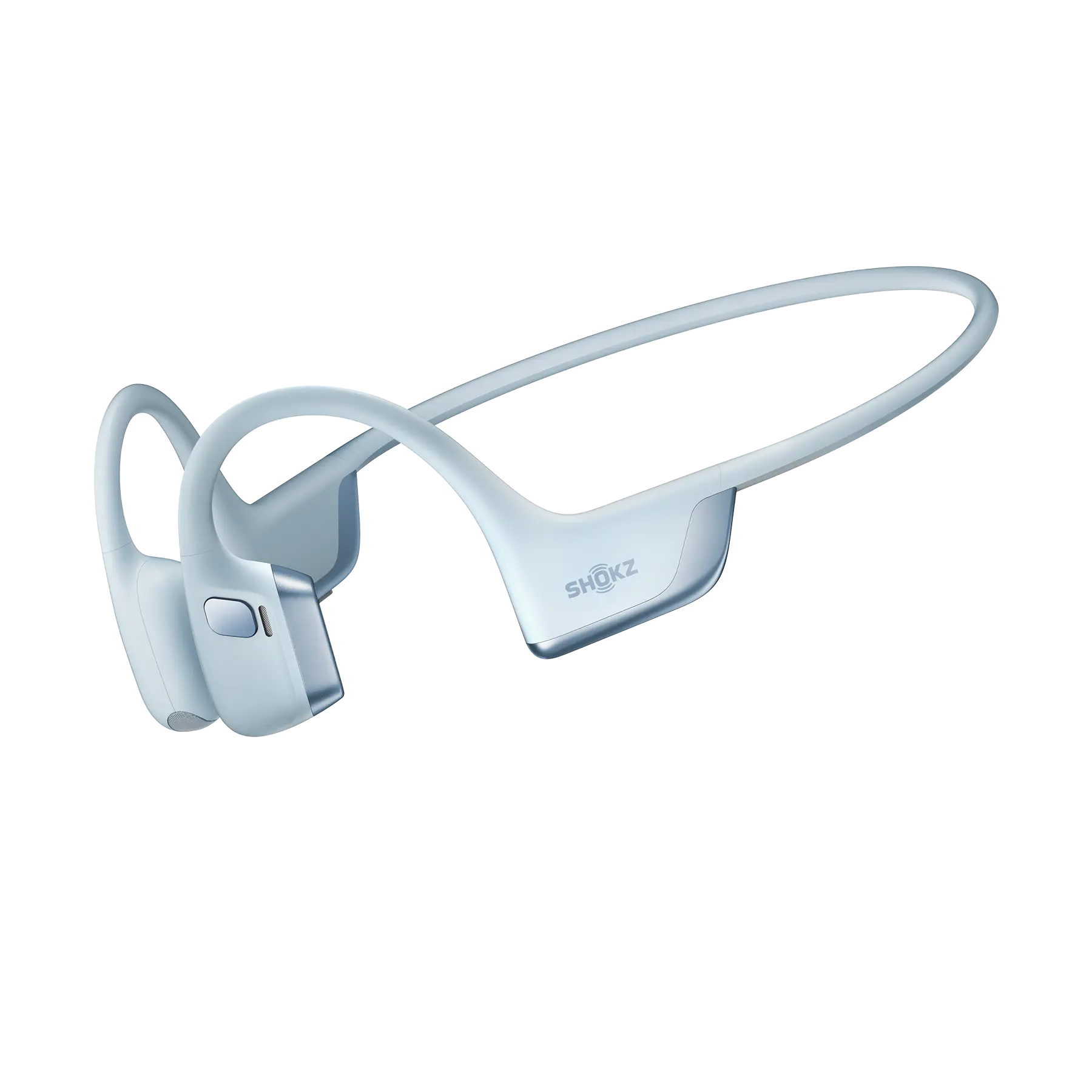
Why it works well for cycling:
-
Wind-resistant sound channels help your audio stay clear even at higher speeds.
-
DualPitch™ drivers give more punch to the low-end without smothering outside sounds you still need to hear.
-
A steady, lightweight frame (about 30 g) that doesn’t shift, bounce, or press against your helmet straps.
-
Up to 12 hours of playtime—plenty for long weekend rides or a full day of commuting.
-
A 5-minute Quick Charge adds about 2.5 hours of listening, perfect for those "I forgot to charge them" mornings.
-
A sweat-resistant, summer-ride-proof build that easily handles heat and humidity without slipping.
-
Comfortable on long rides since nothing sits inside the ear canal or traps heat.
OpenMove
The OpenMove feels like the practical choice for cyclists who want something simple, light, and safe without spending a fortune. It doesn’t plug your ears, allowing you to hear traffic and other riders naturally, which immediately puts it ahead of most sealed earbuds for road use. The entire design feels like it was made for people who are active every day—nothing overly fancy, just reliable gear that works.
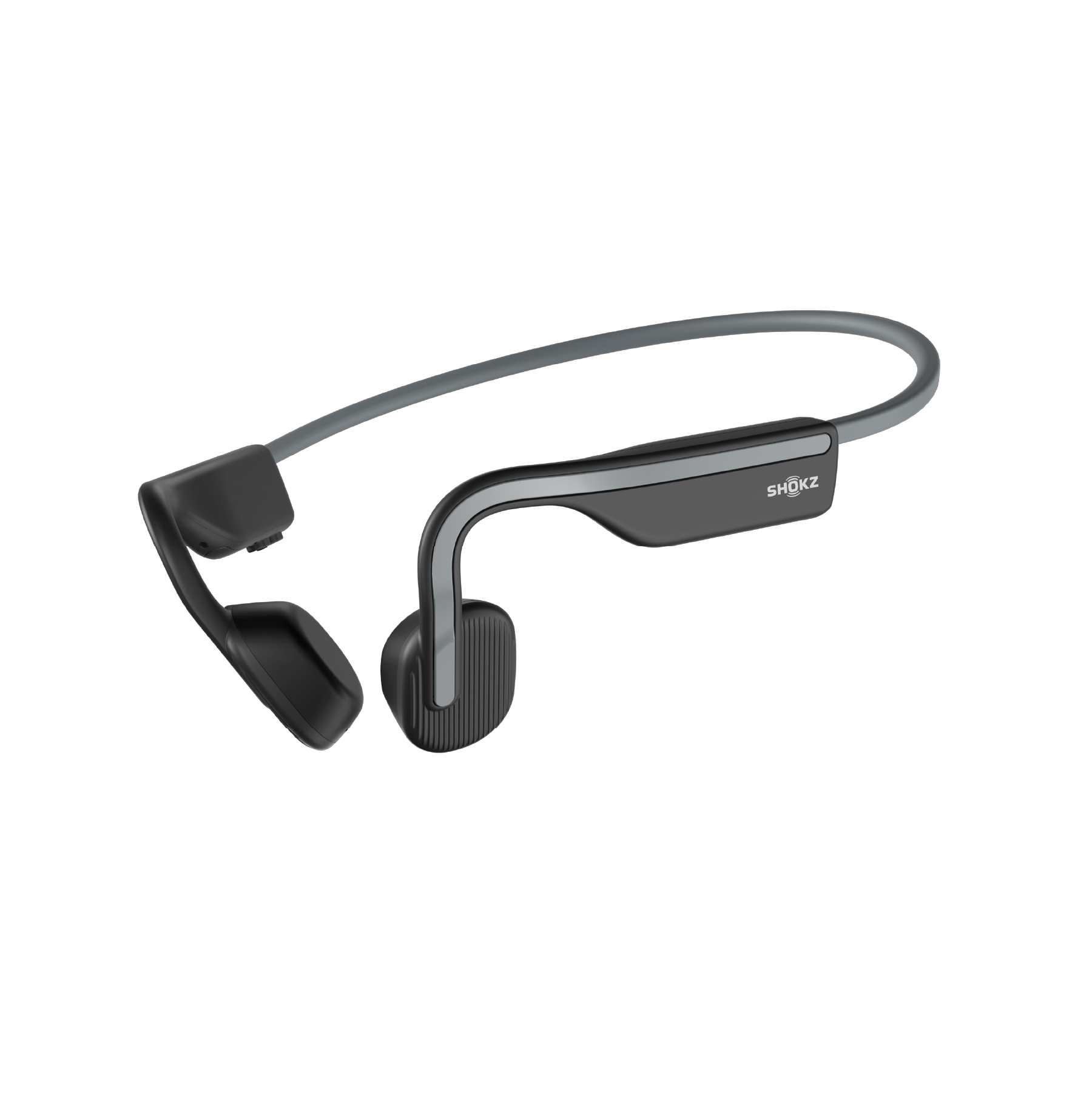
Why cyclists tend to like it:
-
The titanium band stays put. It doesn’t bounce around or slide when you hit rough pavement or lean into a turn.
-
Comfort that lasts. Since nothing sits inside your ear, there’s no pressure or soreness, even if you ride for an hour or two.
-
Handles sweat and unpredictable weather. You don’t have to baby it; it’s built to deal with warm days and messy rides.
-
Lightweight and easy-going. It just disappears on your head after a while, which is exactly what you want while cycling.
OpenRun
The OpenRun is essentially the “no-drama” model in the Shokz lineup. You put it on, it sits there, and honestly, you stop noticing it after a few minutes. With nothing digging into your ears and nothing sealing you off from the road, your music just floats in the background while you ride. Your ears stay open, so you never feel shut off from traffic or other riders.
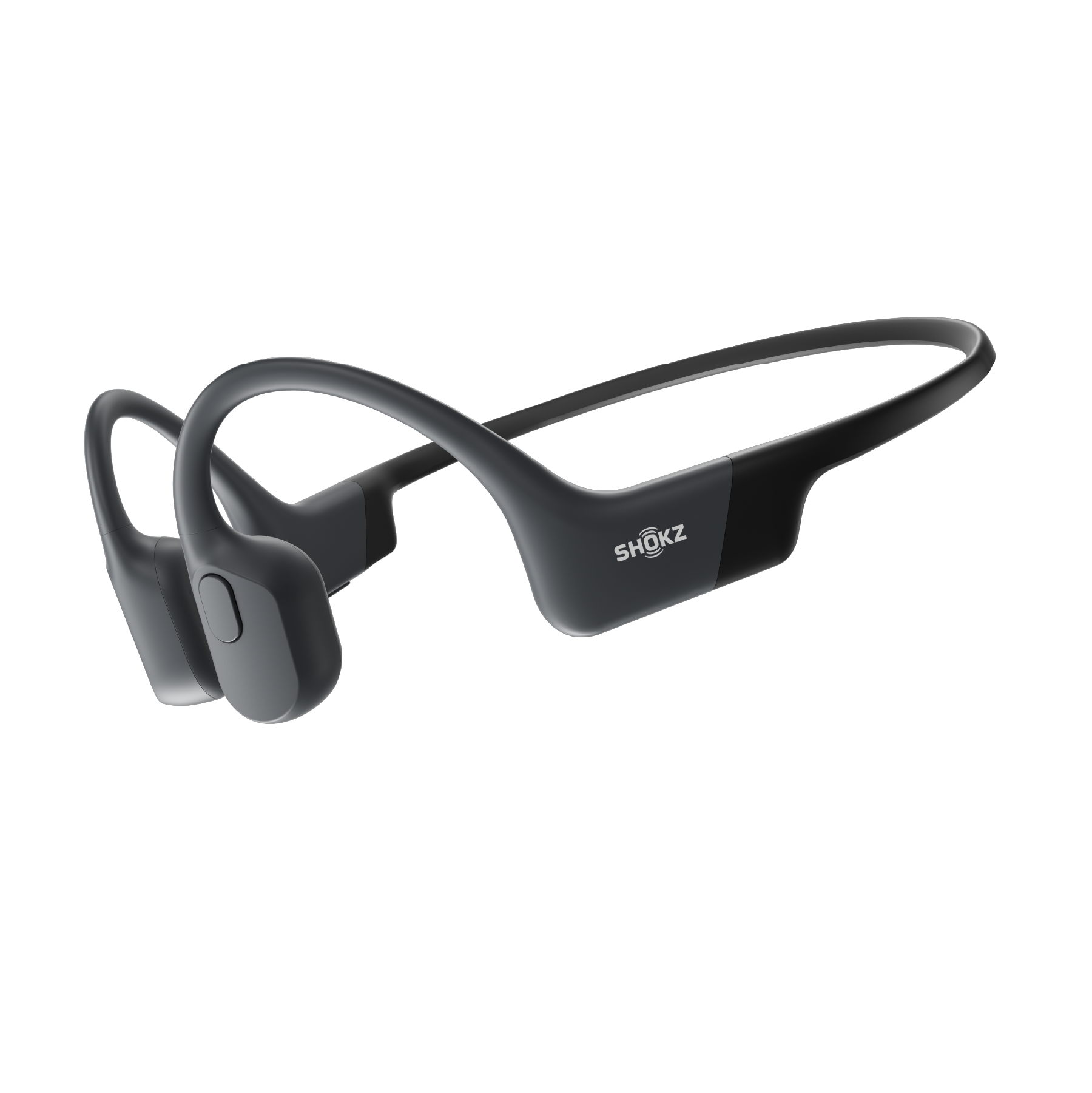
Why cyclists choose it:
-
Comes in two sizes, including a shorter Mini version that hugs the head nicely if you dislike extra wiggle room.
-
IP67 waterproofing means sweat, rain, or a muddy trail isn’t a big deal.
-
The newer bone-conduction drivers sound noticeably cleaner than older Shokz models, providing better detail without the “buzz” some people remember.
-
Incredibly lightweight, and once you start pedalling, it doesn’t bounce around.
-
With an 8-hour battery life, they comfortably cover most morning commutes or weekend loops.
-
Quick top-ups (about 10 minutes for around an hour and a half of playback) are great when you’re running late and need something fast.
Comparison Table
Each model below offers a different balance of sound, comfort, and safety. Here’s a quick look to help you choose the best earbuds for cycling that fit your style.
| Model | Best For | Key Strengths |
| OpenRun Pro 2 | Riders who want the best sound without blocking the road | Stronger low-end (DualPitch™), wind-resistant for clear sound, long battery + fast charge, handles sweat and heat well. |
| OpenMove | New cyclists, students, people who just want open-ear safety | Very affordable, stable titanium band, stays comfortable for short–mid rides, open-ear safety without the price jump. |
| OpenRun | Everyday cyclists, commuters, casual weekend rides | Good balance of comfort + awareness, IP67 waterproofing, lightweight for long wear, comes in 2 sizes for a better fit. |
How to Safely Listen to Music while Riding Your Bicycle
Music can make every ride more enjoyable, but remember that safety always comes first. Here’s how to safely listen to music while out on your bike.
Keep Volume at Safe Levels
Lower volume equals more awareness. Wind noise already competes with your music, so blasting your ears usually makes everything worse, not better.
Use Transparency Mode when Riding
If your earbuds have a transparency or open-ear mode, keep it on. You absolutely need to hear cars, horns, and other cyclists.
Choose Stable, Secure-Fit Earbuds
Anything that wiggles or falls out becomes a distraction, which is the last thing you want on a road shared with traffic.
Stay Aware of Surroundings
Music should never fully erase the world around you. Leave yourself enough audio “space” so you can react quickly to your environment.
Avoid ANC in Busy Traffic
Active Noise Cancelling is brilliant on planes, but terrible near cars. Cutting out outside sound while riding is basically asking for trouble.
FAQ
Is it illegal to wear earbuds while riding a bike?
It depends on the province or municipality you live in. Some places allow it, some strictly don’t, and others only permit it if your ears aren’t blocked. Open-ear earbuds are usually the safer (and more legally compliant) middle ground.
Are open-ear headphones good for cycling?
Yes. They keep your ear canal open so you hear traffic naturally, which is exactly what most riders need to stay safe.
How do I keep earbuds from falling out when cycling?
Go for ear-hook or open-ear frames. Standard in-ear buds easily slip out when sweat builds up or when you hit bumps along the route.
Can you talk on the phone while riding a bike?
Technically yes, but it’s not smart unless you’ve safely pulled over. Wind noise also destroys call quality unless you’re using a noise-cancelling microphone.
Do earbuds interfere with cycling helmets?
In-ear buds are usually fine. Open-ear frames sit a bit higher and stay neatly out of the helmet straps' way, which is why cyclists tend to prefer them.
Conclusion
Cycling with music is fantastic, but only if your earbuds help rather than get in the way. Open-ear designs, especially bone-conduction models, keep you aware of traffic while still giving your ride a proper soundtrack. No matter where you're riding, with the right headphones—like the OpenRun Pro 2, OpenRun, or OpenMove—the goal is exactly the same: comfort that lasts, a stable fit, and absolutely no surprises when you’re sharing the road.
Author Information

guides on Shokz
Related Posts