Why Clip-On Earbuds Fall Off — and How to Keep Them in Place
You’re halfway through a sweaty track session or a heavy set of box jumps, and instead of focusing on your form, you’re constantly nudging your earbud back into place to keep it from hitting the pavement. Having clip-on earbuds fall off is incredibly frustrating, especially when the fit felt perfectly locked in while you were just lacing up your runners.
The good news is that you can usually predict this issue well before you start your workout. Without needing any special tools, a few quick pre-workout checks can tell you if your instability comes down to ear shape, weak hook tension, or simply a bad angle.
OpenDots Series Coming Soon
The new Shokz OpenDots series is coming soon! Discover the new look of our next-generation open-ear audio and join our campaign for a chance to win a pair of clip-on earbuds.
Check the Physical Fit Before You Move
Before you start jumping, running, or sweating, assess the baseline fit. A clip that feels unstable while you're standing still won't magically secure itself in motion. This first step ensures the earbud is actively anchored to your ear’s structure, not just hanging loosely.
How to Properly Seat the Fit So Clip-On Earbuds Fall Off Less Often
With cuff-style clip-ons, a key anchor point is the outer edge of your ear cartilage (the helix). The clip should grip this ridge securely and sit flush against the skin—never hovering loosely or just dangling from your earlobe. If the clamping mechanism feels like it's floating, gravity and workout vibrations will instantly drag it down.
The Mirror Test: Put the earbuds on and look from the side. If you see a visible gap between the back anchor of the clip and your ear, the fit isn't fully seated. With these designs, locking in that physical anchor point matters much more than perfectly aiming the audio driver.
How to Check Pressure Distribution Before Clip-On Earbuds Fall Off
A stable clip spreads pressure across multiple contact points rather than pinching in one spot. In real use, a secure hold relies on balanced contact across three areas: the rear arm against the back of the ear, the earbud body near the concha, and a light stabilizing touch along the outer ear.
To test this, wear them in silence while lacing up your runners or doing a few light stretches. If you notice one sharp point doing all the heavy lifting while the rest of the earbud feels loose, that unbalanced fit is highly likely to fail once your actual workout begins.
How to Identify If Your Ear Shape Is Incompatible With a Specific Clip Design
Sometimes the problem is anatomy, not user error. Some ears simply lack the antihelix depth or curvature required for a specific clip design to lock in properly. A flat or unpronounced helix is a common reason earbuds feel "almost secure" but never truly stable.
Signs of an anatomical mismatch:
-
They fail under mild motion: They stay put while you're tying your runners but rotate the second you walk over to the treadmill.
-
Facial movements break the fit: They loosen up when you chat with a gym partner, breathe heavily, or grit your teeth during a set.
-
They demand constant attention: They force you to break your running rhythm to readjust them every few minutes.
Run the Movement Tests That Predict When Clip-On Earbuds Fall Off
Passing a static fit check does not mean your clip-on earbuds are ready for a workout. Movement reveals whether the clip is truly secure or just temporarily balanced. These targeted tests are much more useful than simply wearing them around the house:
How to Do the Head-Shake Test for Clip-On Earbud Stability
A fast side-to-side head shake quickly exposes weak hook tension. Put the earbuds on, then shake your head laterally for five to ten seconds as if saying “no.” If the earbuds shift, bounce, or lag behind your movement, the hold is not strong enough for workouts.
This test matters because loose hooks often fail immediately under lateral motion. People usually first notice instability while crossing a street, looking over a shoulder, or changing direction during training. If the earbuds cannot stay planted during a head-shake test, they are unlikely to survive a run.
How to Simulate Running Impact to See If Clip-On Earbuds Fall Off
Running creates repeated impact forces through your body, which dislodges many poorly seated clips. To simulate this before a workout, march hard in place, take a few jog steps indoors, or perform ten to fifteen heel drops. You aren't testing comfort—you're testing whether impact causes the earbud to shift.
If one side loosens after a few impacts, take note. It usually means the clip isn't gripping evenly. Many runners discover too late that a seemingly secure setup slips once heel-strike vibrations add up over time. This quick test saves you from finding out halfway through your run.
How to Test Fit During Jaw Movement and Facial Expressions
Your outer ear isn't completely stationary. Jaw movements like talking, chewing, or opening your mouth wide can shift the surrounding tissues enough to loosen a weak fit. This explains why earbuds might feel perfectly secure right up until you chat with a gym partner or breathe heavily mid-run.
To test this often-overlooked failure point before hitting the track or a fitness class, wear them and exaggerate these actions:
-
Pretend to chew
-
Yawn widely
-
Smile hard
-
Speak a few full sentences
If the earbuds rotate or lose their seated position during any of these movements, the fit is not secure enough for a real-world workout.
How to Check Stability During Overhead Arm Movement
Raising your arms shifts tension through your neck and shoulders, subtly repositioning your outer ear. This is especially important to check for strength training or sports involving overhead movements.
To test the fit, put your earbuds on and perform these quick motions:
-
Reach both arms overhead a few times.
-
Shrug your shoulders.
-
Rotate your upper body.
If the clips shift or feel loose during these movements, the anchor point isn't secure enough for an active workout.
Evaluate the Hardware Before Trusting the Fit of Clip-On Earbuds
Even if earbuds feel solid during a living room try-on, hardware quality dictates whether they'll survive actual training sessions. Sweaty miles and the constant flexing required to clip them onto your ears slowly degrade materials, turning a decent fit into a frustrating mid-workout drop. A smart check evaluates the hardware, not just your ear.
How to Check Hook Tension Without Tools
Test tension with a gentle thumb press. If the hook yields too easily and feels sluggish snapping back, it lacks clamping force. Hooks naturally relax from daily on-off cycles. If a once-secure fit now feels sloppy mid-workout, weak hardware—not bad placement—is likely the culprit.
How to Inspect the Clip Material for Fatigue or Deformation
Aging materials show warning signs before failing. Inspect clips for gloss cracking, whitening at bend points, or a permanent outward stretch. These issues cause inconsistent fits—holding fine on Tuesday but slipping mid-stride on Thursday. Check for physical wear before blaming your running form.
How to Match Hook Size to Your Ear Anatomy Before Buying
Hook size is crucial when shopping. If you have a history of returning earbuds because rigid, one-size-fits-all clips pinch or bounce, prioritize adaptable designs. Systems with adjustable or interchangeable hooks accommodate varied ear shapes, saving you the frustration of unboxing another pair that just won't stay put.
Confirm a Secure Fit Across Different Activity Conditions Before Clip-On Earbuds Fall Off
A fit that works in a cool room for two minutes is often completely different from one that faces an actual workout. Factors like sweat, rising body heat, and extra gear—such as running sunglasses or a cycling helmet—can easily alter stability mid-stride. To gain confidence before committing to a gruelling training session or a long trail run, it helps to test the earbuds under the exact conditions you will likely experience out there.
How to Verify Fit Holds When Sweat Is Present
Moisture ruins friction. Earbuds that feel locked-in while stretching dry might slip once you break a sweat. Try a ten-minute warm-up, then recheck the fit. If they start sliding as you heat up, the baseline hold is likely borderline and needs adjusting before your heavy cardio begins.
How to Confirm Stability When Wearing Glasses or a Helmet Simultaneously
Sunglasses and helmet straps compete for real estate behind your ear, often nudging clips out of place mid-ride. Testing earbuds bareheaded indoors won't reveal how they'll react on the road. Throw on your full gear—shades, straps, and all—before testing the fit to catch any annoying interference early.
How to Recheck Fit After the Earbuds Have Warmed to Body Temperature
Certain flexible materials can relax slightly as they warm to your body temperature. A grip that feels firm straight out of the case might feel looser ten minutes into a workout. Wear them awhile, then repeat your movement tests. If body heat noticeably reduces the clamping force, that material might not hold tension well enough for your routine.
Fix an Unstable Clip Before Deciding the Earbuds Are Unusable
A wobbly fit doesn't automatically mean your earbuds belong in a drawer. Often, clip-ons fall off mid-stride simply due to minor positioning errors or slight tension loss. Before throwing in the towel and buying a new pair, try a few targeted tweaks to salvage the hold.
How to Reposition the Clip to Stop Earbuds Falling Off During Running
A small rotation dramatically improves leverage. If your earbuds slip when your feet hit the pavement, try twisting the driver forward by 15 to 20 degrees. This less-obvious angle tucks the hook firmly into your ear's contours, evenly distributing pressure so the hold survives heavy impact.
How to Recondition a Loose Hook to Restore Clamping Tension
If a worn hook feels loose, applying gentle inward pressure might help restore its grip. Make tiny, gentle adjustments rather than forcing it. Proceed only if the material looks healthy—if you spot stress marks from months of heavy gym use, bending it might snap it entirely.
When to Conclude the Fit Is Irrecoverable and Size Selection Is Wrong
Sometimes, the hardware geometry simply clashes with your ear shape. If you’ve tried multiple angles and they still shake loose during burpees, the fit is likely irrecoverable. Stop fighting a bad match. Swapping to an adjustable design or a new style is the smarter move.
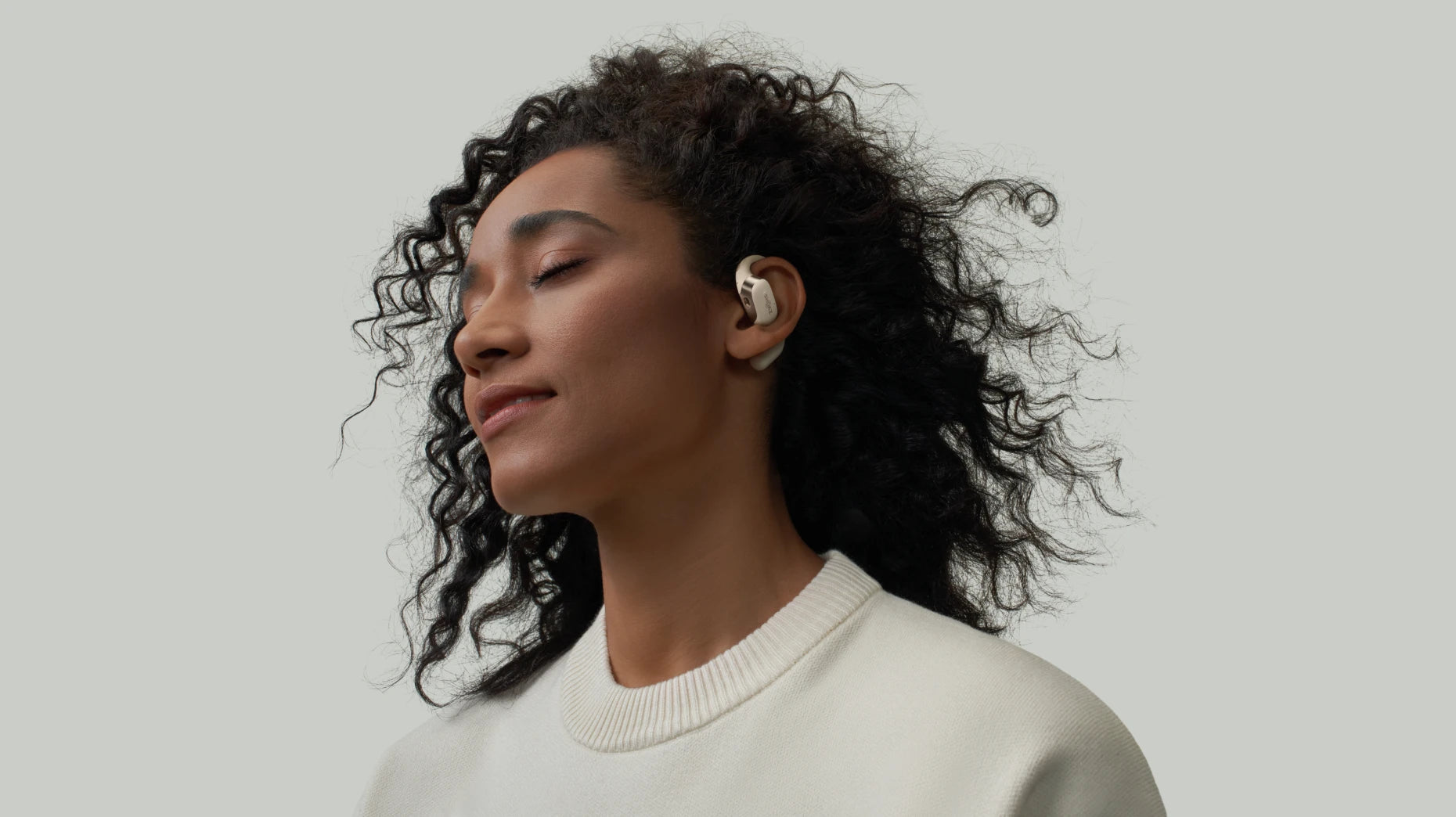
For a more adaptable fit, try the Shokz OpenDots ONE. Featuring a flexible nickel-titanium JointArc and soft silicone grip, these 6.5g, IP54-rated comfortable clip-on earbuds mould to your unique anatomy, staying securely anchored whether you're sprinting or doing jump squats.

Conclusion
Predicting whether clip-on earbuds will fall off comes down to bridging the gap between static alignment and dynamic movement. A truly workout-ready pair requires both balanced structural placement against your ear and the mechanical tension to withstand real training impacts. If the clips feel perfectly flush while you're standing still but shift during a quick head-shake or jaw flex, the hold is only temporary. Combining a baseline pressure check with these active movement tests gives you a definitive answer long before you hit the track, ensuring your focus stays entirely on your workout.
Author Information

guides on Shokz
Related Posts