Essential Winter Cycling Gear for Cold-Weather Rides
Why hang up the bike just because it’s freezing? Honestly, the cold shouldn’t kill your season; it is really just a different way to ride. Once you have your winter cycling gear sorted, you can stay warm without ending up a sweaty mess. This guide breaks down what you need to ride safely and stay comfortable until spring. Let’s get you ready to hit the road, even when the weather turns brutal.
What Do You Need to Wear for Winter Cycling?
Sorting out the right winter cycling wear is all about total head-to-toe protection. You have to layer your core like an onion to vent heat fast, while making sure your fingers, toes, and face are armored against the wind’s bite.
1. Clothing Layers
Base Layer
This is your foundation. Go with moisture-wicking synthetics or Merino wool to move sweat off your skin. Seriously, skip cotton at all costs; once it gets damp, you’re basically a walking ice cube.
Mid Layer
Think of this as your personal heater. Whether it is a fleece or an insulated vest, the goal is to trap a pocket of warm air around your chest. It acts as a buffer to keep your core temperature from tanking.
Windproof and Waterproof Shelf
Your main line of defense. A tough shell made from Gore-Tex or Ripstop nylon kills the wind chill and blocks out slush, making sure that nasty weather never hits your inner layers.
Long Sleeve Thermal Jersey
A solid and flexible piece of winter cycling clothes. It works as a standalone top on mild days or fits right under your shell for an extra boost of warmth when the mercury hits zero.
2. Bottoms
Thermal Cycling Tights
These are the ultimate cycling winter trousers. The brushed fleece inside stays toasty without that annoying, bulky feel, giving you a sleek fit so you can actually pedal without fighting your clothes.
Windproof Leg / Knee Warmers
Your knees take a beating from the freezing wind, so they usually need extra armor. These windproof warmers guard against the biting air but are small enough to shove in a pocket if you overheat.
3. Extremity Protection
Thermal Gloves / Lobster Gloves
Protecting your hands on the bars is vital. Finding the best winter cycling gloves is a game changer. Standard five-finger gloves offer the best control, while lobster mitts pair your fingers together to keep them way warmer.
Handlebar Pogies
Beyond just dressing your hands, you can actually "dress" the handlebars. Pogies create a windproof cave for your hands. When used with thin liner gloves, they offer the best defense against the biting cold.
Wool Cycling Socks
Toes are at the end of your body and always go cold first. Slip on thick Merino wool socks to trap heat. The natural fibers wick away sweat, which is key since damp feet turn to ice quickly.
Windproof and Waterproof Shoe Covers
Also called "booties," these neoprene covers slide over your standard cycling shoes. They seal off the vent holes and stop road spray from soaking through your laces.
Winter-Specific Cycling Boots
If you are serious about winter riding, just get the boots. They feature built-in insulation and high cuffs to stop snow and slush from crawling down into your ankles.
4. Head and Face Gear
Balaclava
This is a total lockdown for your head, neck, and face. It slides under your helmet to ensure less skin is left open to sub-zero wind chill once you start picking up speed.
Ear Band
If a full mask feels too stuffy, a thermal band protects your ears while letting heat vent out the top of your head. This is the best way to stop sweat from building up.
Multi-Functional Neck Gaiter
A simple "buff" is the perfect gap-filler between your jacket and helmet. It is easy to adjust on the fly, so you can yank it up to cover your face or pull it down to vent heat.
What More Winter Cycling Gear Do You Need?
Beyond what you wear, your hardware needs an upgrade too when cycling during winter. Winter conditions are harsh on both the rider and the machine, requiring specific accessories to ensure you remain upright.
1. Visibility and Safety Gear
Bright USB Headlights and Taillights
Winter days are short and usually pretty dismal. High-lumen lights with "daytime flash" modes are a must to make sure drivers actually see you through rain or thick fog from a distance.
Helmet-Mounted Lights
Unlike lights bolted to your bars, these follow your eyes. When you turn to check a dark side street, the beam hits exactly what you are looking at, giving you a much more natural view of the road.
Reflective Vests and Jackets
These are huge for staying visible on winter rides, especially when it’s low light or foggy. Their reflective surfaces help others pick you out early, which is a massive safety boost on the road.
Cycling Sunglasses with UV Protection
The winter sun hangs low and blindingly bright, and snow glare is no joke. UV-rated sunglasses shield your eyes from the sun while also blocking freezing wind and grit from hitting your face.
2. Bike Modifications and Accessories
Mudguards and Fenders
Putting on full-length fenders keeps road spray off your back and saves your bike’s drivetrain from grit. They also stop you from soaking anyone who is riding behind you.
Studded or Wide Winter Tires
If you hit ice, studded tires are a non-negotiable part of your winter cycling gear. Metal spikes bite into frozen patches where standard rubber would just wash out and leave you on the ground.
Adjust Tire Pressure for Winter
Dropping your PSI a bit increases the tire's "contact patch" on the pavement. This gives you way more grip on slippery corners and helps soak up the chatter of frozen slush.
3. Maintenance and Care Tools
Wet or Ceramic Lubricants
Winter roads are coated in salt and grime that can eat your chain alive. A thicker "wet" lube stays put despite the slush, stopping that dreaded squeak and keeping your shifts smooth.
Anti-Rust Sprays
You have to watch out for rust after every ride. A quick spray of a water-displacer on your bolts and chain stops corrosion in its tracks before it can settle in.
Cleaning Brushes for Road Salt
Keep a set of brushes by the door. Regularly scrubbing salt off your frame and brakes prevents corrosion and ensures the bike is actually ready for your next trip out.
4. Nutrition and Hydration
High-Energy Snacks
Your body burns a ton of extra calories just trying to stay warm. Pack dense, easy-to-grab snacks like energy gels that won't turn into a solid brick when the temperature tanks.
Warm Drinks
Ditch your standard bottle for an insulated flask. Sipping warm water or an electrolyte mix gives you a huge mental boost and helps keep your internal heater going against the cold.
Tips for Staying Warm and Safe in Winter Cycling
Winter cycling isn't just about the gear; it is about how you handle yourself. You need a more complete plan to tackle those freezing rides without getting caught off guard.
1. Staying Alert and Aware of Surroundings
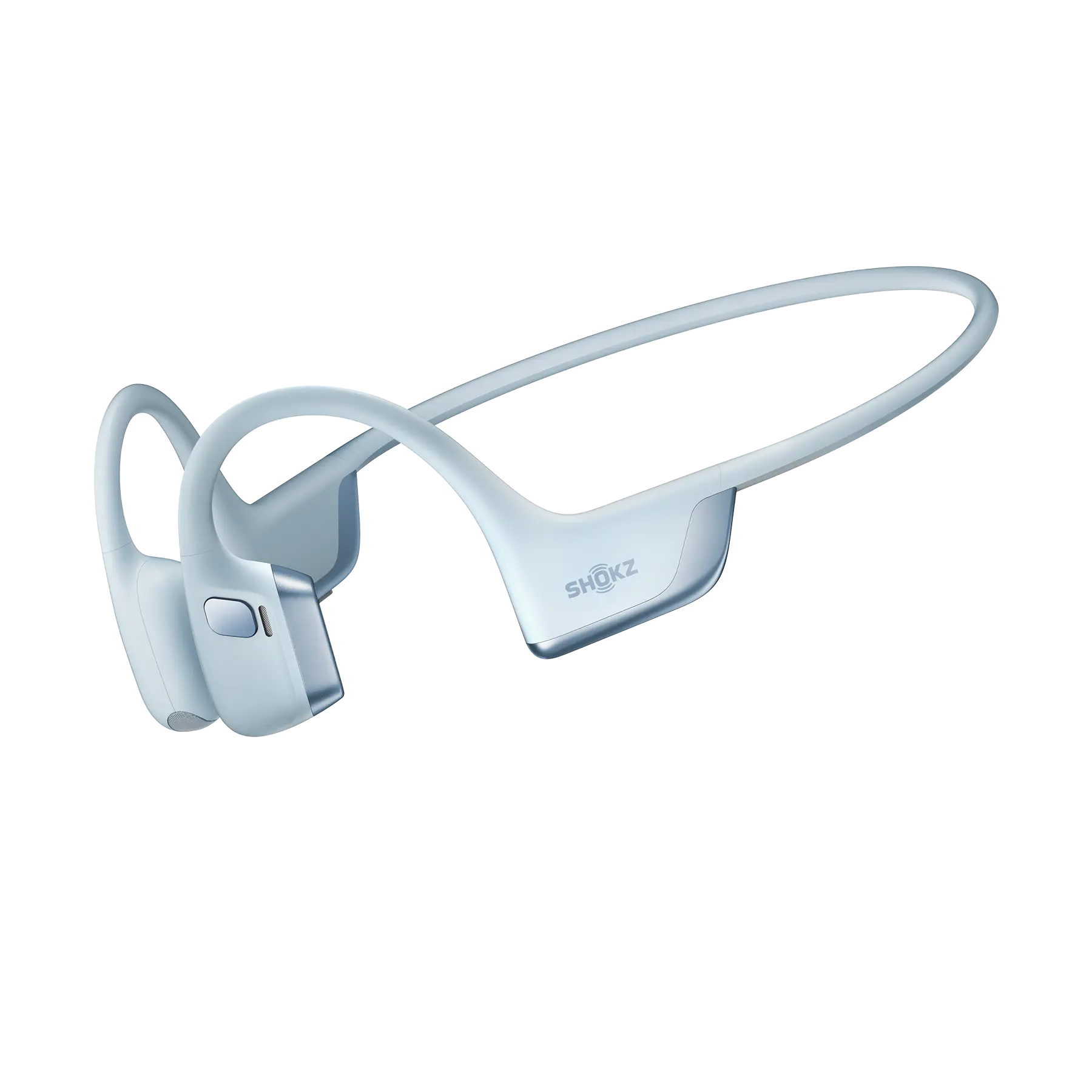
Winter riding means you have to be on high alert. Watch out for icy patches and obstacles. At the same time, keep your ears sharp, listen for cars and passing bys. If you like biking with music, avoid fully closed wireless headphones. They can block important traffic sounds.
Instead, go with an open-ear design that keeps you aware of the environment. Something like OpenRun Pro 2 works great because it uses bone conduction tech, they send sound through your cheekbones, letting you enjoy clear tunes while keeping your ears open. That way, you won’t miss a car horn or bike bell, making your winter ride way safer and more fun.
2. Dynamic Warm-up Before Heading Out
Don't hit the road "cold." Take five minutes for jumping jacks or leg swings inside your house first. This gets the blood moving to your fingers and toes, which makes the start of your ride way less miserable.
3. Planning Routes with Maximum Sunlight Exposure
In the winter, shadows are freezing. Stick to routes on the sunny side of the street or open roads. It is not just about staying warm; that extra sunlight is what melts black ice before you hit it.
4. Identifying Emergency Shelter Points Along the Route
Map out the coffee shops or gas stations along your way. If your bike breaks down or the wind turns brutal, you need a pre-planned warm spot to duck into while you call for a lift.
FAQ
1. How much cycling equals 10,000 steps?
To torch the same 400 or 500 calories as that 10,000-step goal, you need to bank about 12 to 15 miles on the bike. Usually, that is just an hour of steady riding. Beyond just hitting your step count, the benefits of cycling include reaching your fitness goals way quicker than walking, all without beating up your joints nearly as much.
2. Is winter cycling worth it?
Totally, especially if you hate losing your fitness over the winter. Nothing beats the mental reset of riding through a snowy landscape. It builds incredible discipline, but if the cold feels too intimidating, you can always start with some general cycling tips for beginners to build your confidence before tackling sub-zero temperatures.
3. Does cycling build more muscle than walking?
For sure. Walking is basically just moving, but cycling is all about fighting the resistance of the pedals. It really grinds your quads and glutes in a way a stroll never will. If you want actual leg power, the bike wins every time.
4. How cold is too cold to go cycling?
A lot of it comes down to your winter cycling gear, but most of us stop at -20°C. Once it gets that bitter, you are seriously risking frostbite on any patch of skin you missed, and your bike's moving parts might just give up on you.
5. What not to do after cycling?
Whatever you do, don't bolt straight into a boiling shower. You need to just sit for 15 minutes and let your internal heater calm down. If you rush it, your blood vessels go haywire and you'll end up with that crazy, itchy skin feeling.
Conclusion
Proper winter cycling gear is basically your pass to actually enjoy the outdoors when everyone else is hiding inside. There is a real sense of freedom in tracking through fresh snow. When you get your layers and hardware sorted, the cold stops being a threat and just becomes part of the scenery.
Author Information

guides on Shokz
Related Posts