It looks like you are visiting the United States of America website from Canada. Since we don't
ship orders from United States of America to Canada, please visit your local Shokz website.
Over-Ear vs On-Ear Headphones: What's the Difference?
10min
Choosing the right pair of headphones sounds simple at first. But once you start comparing over the ear headphones vs on the ear, the differences become more meaningful than you might expect. Each style shapes your listening experience in its own way. This guide breaks down all the details. We cover how both designs work and what they are best suited for. We also look at how emerging open-ear alternatives are giving Canadians a fresh option. By the end, you will have a clear sense of which style fits your routine. It will fit the way you actually listen, not just what looks good on paper.
What are Over-Ear Headphones
Over-ear headphones have another name; they are often called circumaural headphones. They use large earcups, and these cups can be round or oval, but they always fully surround your ears. The padded cushions rest along the sides of your head, and they do not press directly against the ear itself. This creates a comfortable seal, and this seal helps block outside noise.
What are On-Ear Headphones
On-ear headphones, also known as supra-aural headphones, are designed to sit right on top of the outer ear without fully enclosing it. This design makes them much lighter and more compact than their over-ear counterparts. Despite their smaller size, these models still deliver solid sound quality unpacked, offering clear and dynamic audio.
What's the Difference between Over-the-Ear Headphones and On-the-Ear Headphones
When deciding between over vs on ear headphones, the core difference always comes down to how each design interacts physically with your ears. This is crucial: factors like size, fit, and acoustic design significantly influence how these wireless headphones feel and sound.
Audio Quality and Clarity
Over-ear headphones benefit from a significantly larger acoustic chamber, allowing them room to produce a fuller, more spacious soundstage, and this includes deeper bass response. This construction consistently yields a clearer, more detailed listening experience; this capability is truly a key point in the on ear vs over ear debate.
Noise Isolation and Noise Cancellation
Over-ear headphones truly provide a stronger passive noise isolation and more effective Active Noise Cancellation (ANC). They achieve this naturally, forming a comfortable, complete seal around the ear.
Conversely, the story changes with on-ear models. Sitting directly atop the ear, their ability to block outside noise is significantly limited, often leading to less powerful cancellation overall.Comfort and Fit
For extended listening sessions, comfort becomes a serious concern. Many listeners find over-ear designs much more comfortable. Why? Because the circumaural cushions distribute pressure around the ear, never resting right on it.
But the opinion changes for some people. They genuinely prefer that lighter clamp and less enclosing feel of the on-ear vs over-ear headphones.
Size, Weight, and Portability
Portability? That is where on-ear headphones truly shine. They are noticeably more compact and lighter than those bulkier over-ear units. Most on-ear models fold easily, making them perfect to slip into your work bag or backpack.
But what about the other side? The drawback is clear in the over-ear vs on-ear headphones comparison. Over-ear models tend to be much bulkier, and that is simply due to their larger cups and thicker padding.
Performance During Workouts
Neither style is actually built for high-intensity training. However, if you are looking at light exercise, the on-ear headphones may feel slightly cooler and less cumbersome. But there is a shared risk for both types: sweat absorption remains a serious concern.
Longevity and Durability
Durability is actually a simple equation. It depends more on the construction materials than on the form factor itself. Look for premium models. Over-ear and on-ear options often feature stronger frames and thicker padding. This robust construction contributes directly to better long-term wear.
Comparison Chart
Here’s a concise breakdown of how over-ear and on-ear headphones differ across the most important categories:
Category
Over-Ear Headphones
On-Ear Headphones
Audio Quality
Richer soundstage, deeper bass.
Less spacious, lighter bass.
Noise Isolation / ANC
Strong seal, better ANC.
Weaker isolation, softer ANC.
Comfort
Better for long sessions.
Lighter, less enclosing.
Portability
Bulkier, less portable.
Compact, easy to carry.
Workouts
Too bulky, warmer.
Less bulky, cooler for light exercise.
Durability
Often robust, it depends on materials.
Also material-dependent.
The traditional debate around over ear vs on ear headphones usually centers on basic metrics: fit, seal, and noise isolation.
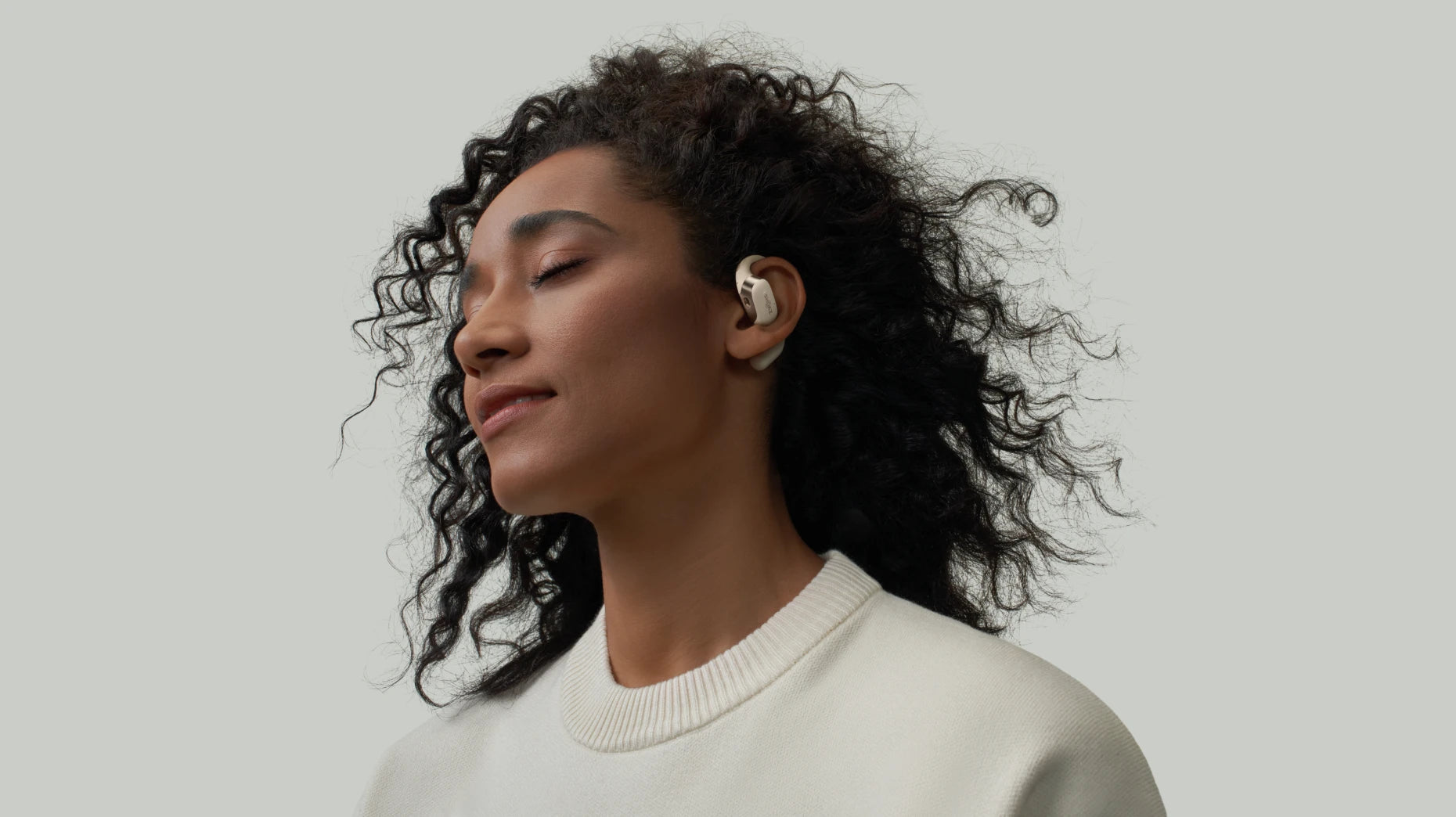
But many listeners are now moving past these two styles. They are the ones who genuinely value comfort, ventilation, and staying aware of their surroundings. This shift is becoming obvious. Open-ear headphones, consequently, offer a very appealing alternative. They appeal to Canadians who want gear that is lighter, cooler, and simply easier to wear all day long.
Why Some Users Prefer Open-Ear Designs to Over-Ear and On-Ear Headphones
The debate around over the ear headphones vs on the ear usually centers on basic metrics: fit, seal, and noise isolation.
But many listeners are now moving past these two styles. Who are these listeners? They are the ones who genuinely value comfort, ventilation, and staying aware of their surroundings. This shift is becoming obvious. Open-ear headphones, consequently, offer a very appealing alternative. They appeal to Canadians who want gear that is lighter, cooler, and simply easier to wear all day long.
The Needs for Better Comfort during Long Listening Sessions
Open-ear designs are smart. They avoid applying pressure on or inside the ear canal. This action significantly helps reduce heat buildup and long-term fatigue.
Who benefits most? People who spend hours on calls, studying, working, or moving between tasks at home. For them, this pressure-free comfort makes a very noticeable difference.
Staying Aware of Your Surroundings
Think about the sealed or semi-sealed experience you get from over-the-ear and on-the-ear styles, open-ear models are the complete opposite. They let you hear your environment naturally.
This situational awareness is crucial: you can navigate traffic, listen for transit announcements, or stay responsive in a shared office.This adds a significant layer of safety and convenience.
Lightweight Alternatives without Sacrificing Daily Usability
Here is the basic design principle: Most open-ear models are minimalist and extremely lightweight. This makes them easy to wear for long periods; they simply do not feel bulky.
What do you gain? You still get clear, dependable sound. But crucially, you get this without the heft or enclosed feeling of traditional headphones.
Choosing Open-Ear Options beyond Over-Ear and On-Ear Headphones
For listeners who prioritize comfort, awareness, and everyday reliability, open-ear headphones offer benefits that traditional designs simply cannot match. Shokz earbuds, a leader in this category, offer several models that have quickly become favorites among active Canadians.
The OpenRun is built equally well for indoor training and rigorous outdoor activity. The secure one-piece ear-hook design remains stable while you run, cycle, or move through fast-paced workouts. Bone-conduction technology delivers sound through your cheekbones, deliberately keeping your ears open to the environment for enhanced safety.
Key Features:
8th-generation bone-conduction technology for better sound and comfort.
IP67 water and dust resistance for reliable outdoor performance.
Up to 8 hours of continuous playback.
Ultra-light 26 g design that stays comfortable all day.
OpenFit 2+ uses a flexible open-ear design that follows the natural contour of the ear. It offers immersive audio and practical everyday features that fit seamlessly into commuting, workouts, and long workdays.
Key Features:
Open-ear awareness keeps you connected to your surroundings.
Dolby Audio delivers immersive, spacious sound.
Four preset modes plus two custom options for tailored listening.
Wireless charging with 48 hours of total playtime via the case.
Physical buttons and touch controls for intuitive operation.
The OpenMeet has the familiar look of an office headset, yet its open-ear design sits just outside your ear instead of covering it. Your hearing remains completely unobstructed while the adjustable microphone delivers clear voice pickup. This makes it a strong choice for remote work or long office days.
Key Features:
Open-ear comfort that stays cool and pressure-free during all-day wear.
Dual-microphone noise reduction for clear, consistent calls.
Over-ear protection consistently provides a stronger seal and better overall noise reduction. Consequently, it proves far more effective in high-noise environments. In-ear protection, conversely, is lighter and easier to carry around. However, users should note it usually offers slightly less isolation in comparison.
Is it okay to wear over-ear headphones all day?
Generally speaking, yes, it is safe. However, you may start to feel heat, pressure, or discomfort after many hours of continuous use. This is especially true in warmer indoor spaces or during long workdays. There is a better option for true all-day comfort: many Canadians prefer open-ear designs. They completely avoid applying pressure on the ear entirely.
What are the disadvantages of over-ear headphones?
The main drawbacks of this design are notable: These include their bulkier size, which severely reduces portability, and the tendency to trap heat around the listener's ears. Furthermore, they also often come with a higher price tag than smaller headphone styles. This increased cost is certainly a key factor depending entirely on your budget and specific needs.
What is the difference between open-ear and over-ear headphones?
The distinction is clear: Open-ear headphones rest outside the ear and leave the canal unobstructed, giving you full awareness of your surroundings. Over-ear headphones, by contrast, completely enclose the ear to create isolation and an immersive listening space.
Final Thoughts
Ultimately, the choice between over the ear headphones vs on the ear comes down to balancing your priorities. Choose Over-Ear if rich detail, deep isolation, and an immersive sound experience are essential for your work or listening sessions. Choose On-Ear if portability, lightweight design, and quick convenience for commuting are more important to your daily life.
For Canadians who prioritize all-day comfort and essential awareness, remember the third path: open-ear headphones. They successfully bridge the gap by giving you clear audio without sacrificing your ability to stay connected to your surroundings. The best choice is simply the pair that fits your routine.
Author Information
NIKI Jane
NIKI Jane is a writer for Shokz. When not creating content, she’s usually out with her OpenRun Pro 2—cycling, hiking, and running wherever the road takes her.