It looks like you are visiting the United States of America website from Canada. Since we don't
ship orders from United States of America to Canada, please visit your local Shokz website.
Open Back vs Closed Back Headphones: Which Design Is Right for You?
10min
If you are comparing open-back vs closed-back headphones and trying to find the best design. It must suit the way you actually listen and you should consider your needs. Maybe you want something spacious and airy for late-night albums at home. Or maybe you need a pair that blocks distractions on the SkyTrain or in a shared office. These two styles give completely different experiences. This guide covers the details. We look at the strengths and limits of both designs. We show you when each one works best. We tell you what to think about before you buy.
What are Open-Back Headphones?
Open-back headphones use vented earcups. They let air and sound move freely. This design creates a wide, natural soundstage. It is an airy sound and works best in quiet home or studio spaces.
Features of Open-Back Headphones
They are a poor match for public transit and are bad for offices or noisy places because they provide no passive noise isolation and allow significant sound leakage. This is why the choice between open back vs closed back headphones matters so much.
Open-Back Headphones are Best for
They are ideal for critical listening, mixing, and mastering. Use them in quiet home or studio spaces. There, you can fully appreciate their wide soundstage. You can enjoy their accurate audio reproduction.
Open-Back Headphones are not Good for
Open-back headphones are a poor match for public transit. They are poor for offices or noisy places. This is because they provide no passive noise isolation. They allow significant sound leakage.
What are Closed-Back Headphones
Closed-back headphones are the most common style. They use a solid, sealed earcup. This earcup fully encloses your ear and creates a chamber. It keeps your audio inside and blocks outside noise. The design gives you a private listening experience. It is contained. This is especially useful in busy Canadian environments.
Features of Closed-Back Headphones
Their defining feature is the sealed outer shell. It is non-vented. This structure offers strong passive noise isolation. Thus, it helps prevent your music from leaking out. It works well when you work in shared spaces.
Closed-Back Headphones are Best for
These wireless headphones are great for many uses. They are great for commuting and recording. Think about cafés, public transit, or open offices. They give a more focused sound and help you stay immersed. You won't be distracted by what is happening around you.
Closed-Back Headphones are not Good for
The earcups are sealed. The design usually creates a smaller soundstage, so the music is not such natural. Besides, it can build up pressure during long listening sessions. This can cause slight listening fatigue. Be mindful during concentrated work or long study blocks.
Comparison Table for Open Back vs Closed Back Headphones
The key difference is simple. It comes down to acoustics and airflow. This shapes their performance directly. Reviewing these distinctions helps you understand the two designs. It shows how each style behaves in real-world listening environments.
Noise Isolation
Closed-back models provide strong isolation. They block outside noise. Open-back models let ambient sound in. They offer no passive isolation.
Sound Leakage
Open-back headphones leak sound noticeably. People nearby can hear your audio. Closed-back headphones keep leakage minimal.
Soundstage
Open-back designs deliver a wide soundstage. It is an airy sound. Closed-back models create a more intimate listening space. It is narrower.
Listening Fatigue
Open-back cups allow airflow. They are more comfortable during long sessions. Closed-back designs can build pressure over time. This leads to more listening fatigue.
Bass Response
Closed-back headphones usually offer deeper bass. It is more impactful. Open-back models produce a more controlled low end. It is more natural.
Perceived Sound Accuracy
Open-back headphones are often preferred here. They are for pure accuracy and lifelike reproduction. This is for discerning listeners.
Comparison Table
Here is a quick visual summary. It covers sound quality, comfort, and daily use.
Feature
Open-Back
Closed-Back
Noise Isolation
Minimal
Strong
Sound Leakage
High
Low
Soundstage
Wide, natural
Focused, intimate
Comfort
Light, breathable
Warm, enclosed
Bass
Balanced
Deep, powerful
Sound Accuracy
Clear and realistic
Enhanced lows, less natural
Best For
Home, studio use
Travel, public spaces
You might like the sound of the open-back style. But you are restricted by sound leakage. The lack of portability limits you. This means exploring more flexible options is important. This is where the debate expands. The choice between closed vs open back headphones now includes a third option. It is increasingly popular for daily use.
A Third Option for Everyday Listening: Open-Ear Headphones
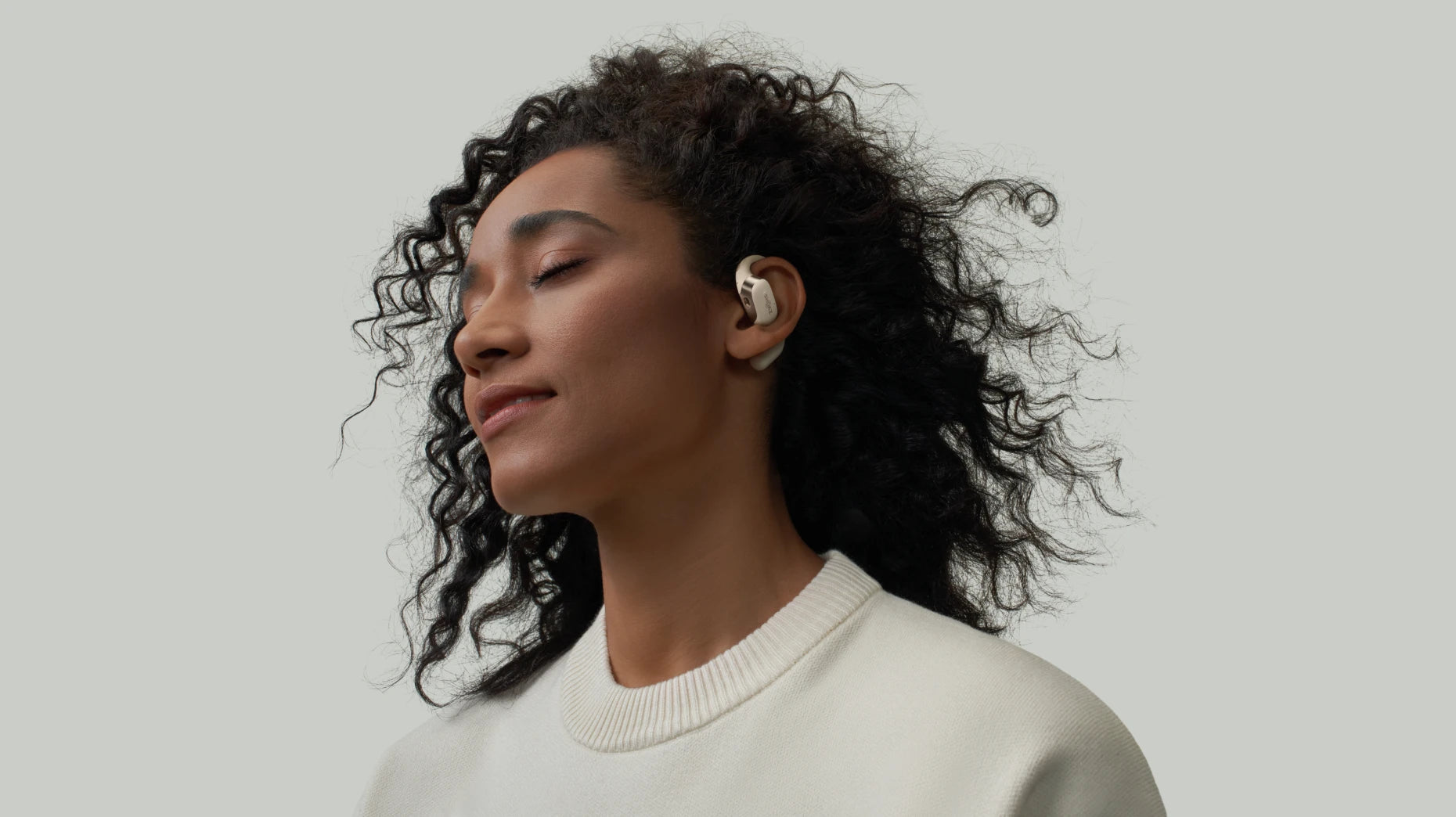
Open-ear headphones are growing fast in popularity. They keep the ear canal completely open. This allows full awareness of your surroundings. They do not seal over the ear like closed-back models. They do not use vented designs like open-back. Just sit outside the ear canal and use bone conduction to deliver sound.
Open-Ear, Open-Back, Closed-Back: How do They Compare?
Open-ear: Designed for situational awareness and daily mobility.
Open-back: Built for natural sound and wide soundstage in quiet rooms.
Closed-back: Made for isolation and immersive listening.
Open back vs closed back headphones focus on acoustic differences. Open-ear shifts the priority. It focuses on safety and comfort during real-world use.
When Open-Ear Headphones are the Better Choice
Open-ear headphones truly shine when you need to hear your surroundings. This includes traffic, transit announcements, and conversations. You still get to enjoy your audio. They are great for outdoor workouts and suit anyone who prefers not to block out the world completely.
Best Open-Ear Headphones You Need to Know
Shokz earbuds lead the open-ear category, which uses innovative bone-conduction to deliver sounds. Below are two standout models. They are known for comfort, awareness, and all-day performance.
OpenFit 2 uses an ergonomic ear-hook design that follows the natural curve of your ear. Lightweight and secure, it offers comfortable all-day wear and provides open-ear awareness. If you're looking to choose Shokz's open-ear headphones, this model is perfect for commuting, travel, or outdoor activities.
Key Features:
DualBoost™ Technology delivers fuller, more dynamic sound.
DirectPitch™ 2.0 reduces sound leakage for added privacy.
Up to 48 hours total playtime with the charging case.
Quick charge: 10 minutes gives 2 hours of listening.
Multipoint pairing for seamless switching between devices.
OpenRun Pro 2 is one of the best open-ear options for sports. The secure, all-in-one earhook design stays firmly in place. This is true while running, jumping, or training. It gives athletes powerful sound and safe awareness outdoors.
Key Features:
Dual drivers (bone + air conduction) amplify both clarity and depth.
DualPitch™ Technology reduces vibration for smoother audio.
IP55 water resistance protects against sweat and light rain.
Frequently Asked Questions (FAQs)
Can other people hear your open-back headphones?
Yes. Open-back designs leak sound. People nearby may hear what you are listening to.
Can people hear closed-back headphones?
Generally, no. Closed-back models contain sound very effectively. This is true unless you are listening at a very high volume.
What's better, open-back or closed-back headphones?
It depends on your needs. Closed-back headphones provide sound privacy and isolation. Open-back headphones are natural and bring a wide soundstage.
Are open-back headphones better for ear health?
Some users find them more comfortable. This is due to airflow and reduced pressure. This may help during long listening sessions.
Final Thoughts
The final choice comes down to your lifestyle, whether you want to choose between open-back vs closed-back headphones. Open-back models shine when you want a natural, spacious sound. This makes them a favourite for relaxed listening, mixing, or enjoying music in a quiet space. Closed-back headphones offer strong isolation. They give a deep, immersive sound. This works well in busy environments like transit, offices, or shared spaces.
If neither option feels practical for your daily routine, open-ear headphones offer a comfortable third path. They keep you connected to your surroundings. Still, they deliver clear, enjoyable audio. This makes them a great everyday choice for commuting, outdoor workouts, or multitasking at home. In the end, the best pair is simple. It is the one that fits your lifestyle, your environment, and the way you prefer to experience your sound.
Author Information
NIKI Jane
NIKI Jane is a writer for Shokz. When not creating content, she’s usually out with her OpenRun Pro 2—cycling, hiking, and running wherever the road takes her.