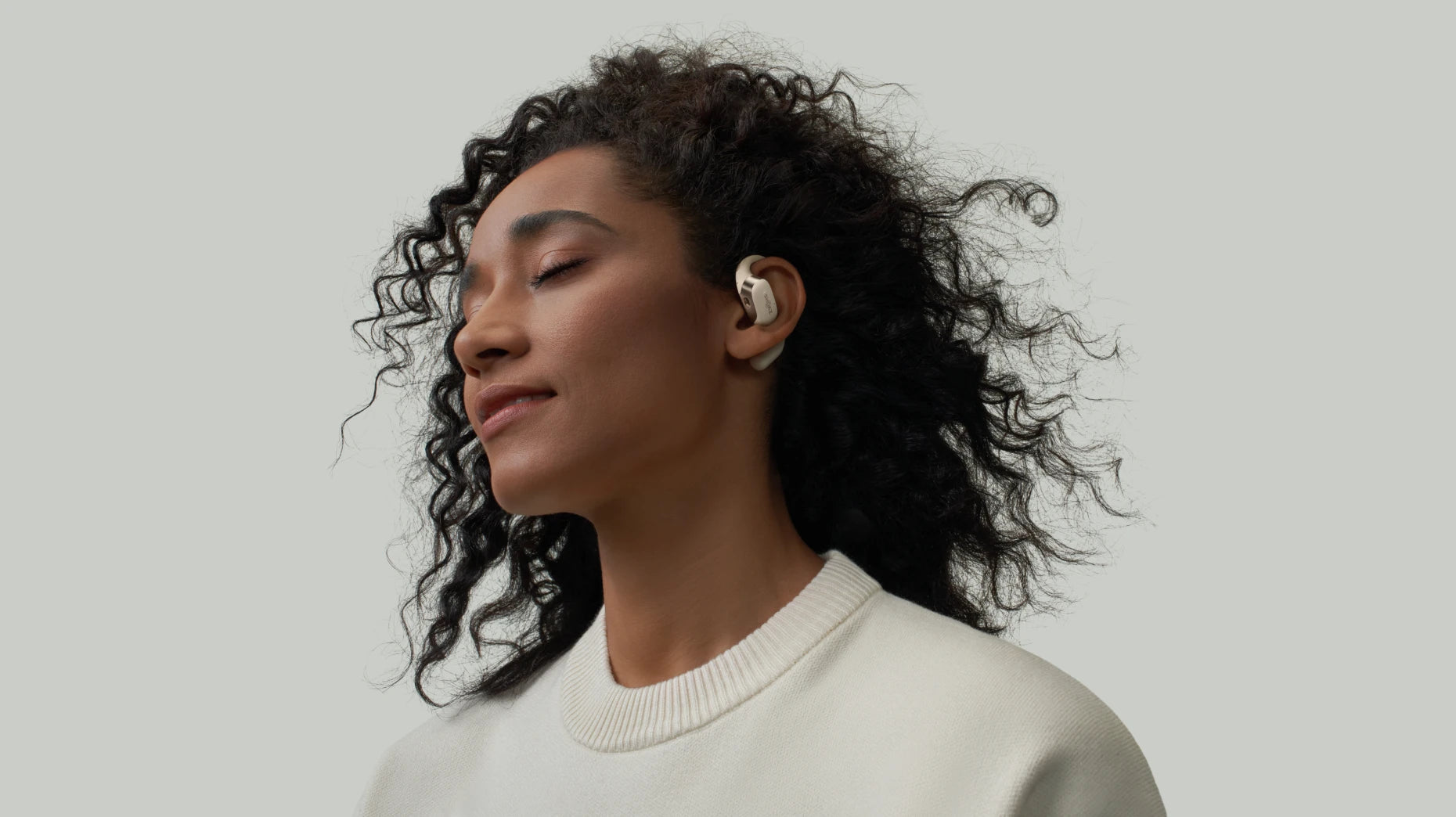
Which Noise Reduction Headphones Are Most Comfortable? ANC, Open-Ear & Passive Compared
Between the noise of your morning commute and the constant conversations in an open office, everyday sounds can easily interrupt your focus. Finding headphones that help reduce distractions has become increasingly important—but for many people, traditional noise reduction comes with a trade-off: the uncomfortable “plugged” feeling and ear pressure that can make extended listening less enjoyable.
So how can you find the right balance between a quieter listening experience and all-day comfort? In this guide, we’ll compare three types of noise reduction technologies to explore which options may be better suited for comfortable, long-term wear, helping you find the right mix of focus and comfort.
A Technical Comparison of Noise Reduction
Quick Review
| Technology | Typical Form Factor | How It Works | Key Characteristics | Things to Note |
|---|---|---|---|---|
| Active Noise Cancellation (ANC) | In-ear, Over-ear | Uses inverted sound waves to help reduce certain ambient noises, especially low-frequency sounds. | Creates a more immersive listening experience with stronger background noise reduction. | Requires a close seal; some users may experience ear pressure during extended use. |
| Open-Ear Noise Reduction | Ear-hook, Bone/Air Conduction, Ear-cuff | Uses directional audio technology and advanced algorithms to improve sound clarity without blocking the ear canal. | Balances audio enjoyment with environmental awareness and long-wearing comfort. | Does not fully isolate you from your surroundings; avoids pressure inside the ear canal. |
| Passive Noise Isolation (PNC) | Traditional in-ear, Closed-back headphones | Uses physical materials such as foam or silicone to reduce external sound entering the ears. | A simple, hardware-based approach to reducing background noise. | Performance depends on the fit, seal, and materials used. |
Is ANC or Passive Noise Reduction Better for Comfort?
Traditional noise reduction headphones can be effective at reducing background sounds, but that quieter experience may come with some comfort considerations. To understand why your ears may feel tired after a few hours of use, it helps to look at how different headphone designs interact with your ears and head.
Active Noise Cancellation (ANC): The Pressure Behind Silence
Most premium Active Noise Cancellation headphones come in two main styles: snug in-ear earbuds or over-ear headphones. To improve noise reduction performance, these designs typically rely on a close seal around or inside the ear.
While this seal can help reduce sounds like airplane engines or traffic noise, it may also create a few comfort challenges during longer listening sessions:
The “Diver” Effect: A Feeling of Ear PressureSome users experience a sensation of ear pressure when using ANC headphones for extended periods. The feeling can be similar to the pressure changes some people notice during takeoff or landing on a plane, which may become distracting during long work sessions or travel.
Heat and Trapped Air: When Ears Need a Break
Over-ear ANC headphones can feel similar to wearing earmuffs, especially during extended use. The enclosed design may trap heat and moisture around the ears, which can contribute to warmth, discomfort, or skin irritation over time.
Passive Noise Reduction: The Trade-Off of Physical Isolation
Passive noise reduction relies entirely on the physical design of headphones, using materials such as memory foam, ear cups, or silicone ear tips to reduce external sounds. You’ll commonly find this approach in studio headphones, earplugs, and traditional earbuds.
The comfort challenges with long-term use are often related to how the headphones physically fit:
Clamping Force: Keeping Headphones Secure
To create a stronger physical barrier against external noise, some headphones use tighter earcup pressure to maintain a secure seal. Over time, this pressure may contribute to discomfort around the temples, ears, or jaw area for some users.
Ear Canal Fatigue: When In-Ear Tips Feel Too Much
Passive in-ear models often depend on silicone tips creating a secure fit inside the ear canal. For some users, wearing ear tips for several hours can cause discomfort due to the constant contact and pressure inside the ear.
The New Way: Open-Ear Noise Reduction Technology
Open-ear noise reduction headphones represent a shift from “blocking out” the world to staying connected with it. Commonly found in ear-hook, bone conduction, or ear-cuff designs, this technology delivers clear audio without covering or blocking the ear canal. By changing how the device interacts with your ears, open-ear designs help create a more comfortable listening experience while allowing you to stay aware of your surroundings.
No Silicone Plugs: Keeping Ears Comfortable and Breathable
By sitting outside the ear canal, open-ear designs help avoid the warmth, moisture, and irritation that some users experience with traditional ear tips. Your ears can remain more open and comfortable, making this style a practical option for longer listening sessions, workouts, or anyone who prefers not to wear in-ear headphones.
No Clamping Force: Gentle Support Around the Ear
Instead of relying on pressure around the head or inside the ear, open-ear models use flexible hooks or clips to stay securely in place. The design distributes weight across the outer ear, helping reduce the pressure points often associated with traditional headphone designs.
Without a sealed fit inside the ear canal, open-ear headphones can offer a more relaxed listening experience while still helping you stay connected to your surroundings.
Best Open-Ear Noise Reduction Headphones: Comfort Meets Clarity
For users who find traditional ANC headphones uncomfortable due to ear pressure or a closed-in feeling, the Shokz OpenFit Pro combines an open-ear design with clear audio performance and environmental awareness.
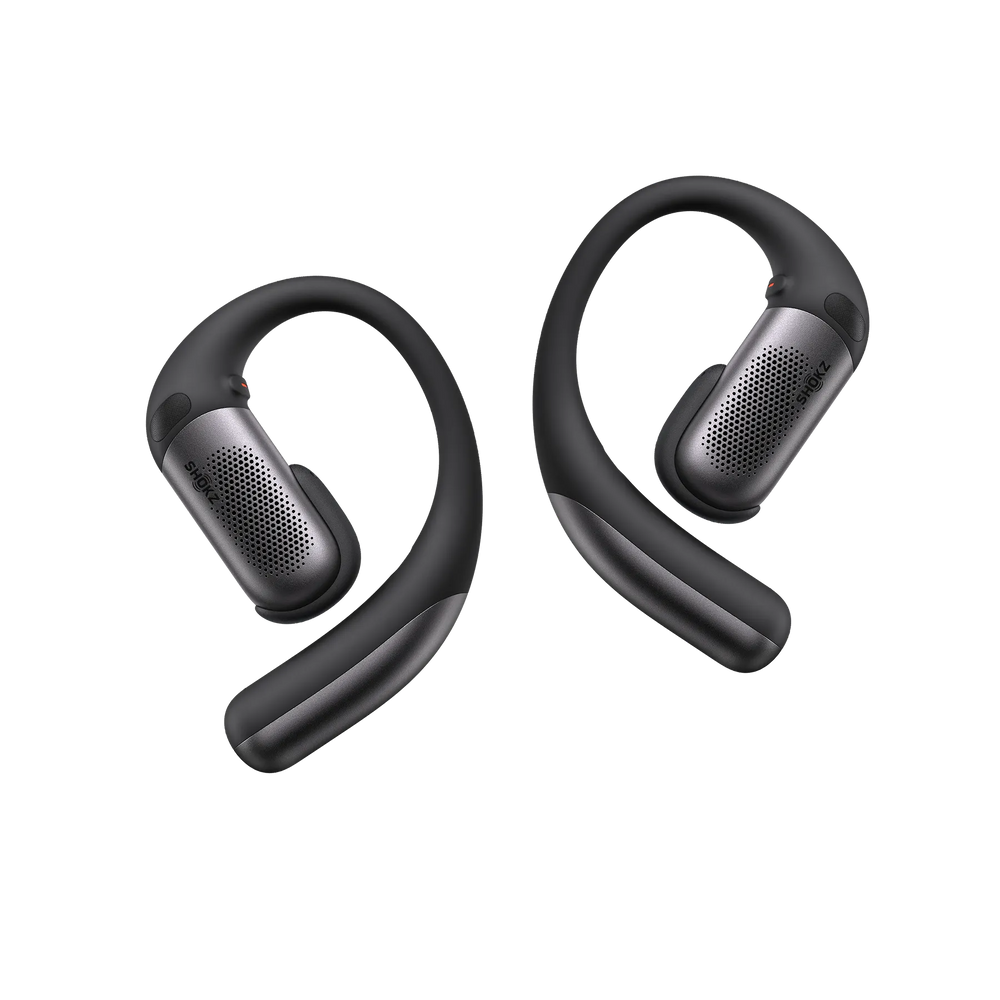
Triple-Mic Adaptive Reduction
A 3-mic system and intelligent algorithm help reduce unwanted background noise during calls, supporting clearer conversations while allowing you to stay aware of what is happening around you.
Shokz SuperBoost™ Audio
Featuring an ultra-large driver and dual-diaphragm design with a silicone surround, the acoustic system is tuned to deliver rich, balanced sound with enhanced bass performance for an open-ear listening experience.
Comfortable Open-Ear Fit
Sitting securely outside the ear canal, the open-ear design helps reduce the plugged sensation some users experience with traditional earbuds, offering comfortable wear during workouts, meetings, or longer listening sessions.
50-Hour Battery
With up to 50 hours of total playback, OpenFit Pro helps support busy schedules with fewer charging interruptions.
FAQ
Q1: Do open-ear noise reduction headphones (like Shokz) actually block noise?
Open-ear noise reduction works differently from traditional ANC. Instead of fully blocking outside sounds, it focuses on reducing distracting background noise, such as steady office noise, AC hums, or distant traffic, while allowing you to remain aware of important sounds around you.
This creates a more balanced listening experience where you can stay focused while still keeping a connection with your surroundings.
Q2: Will using open-ear noise reduction headphones harm my ears?
Open-ear headphones are designed to sit outside the ear canal, which may provide a more comfortable alternative for users who find traditional earbuds uncomfortable during extended wear.
They can support ear-friendly listening in two key ways:
Physical Comfort:
By avoiding direct contact inside the ear canal, open-ear designs help reduce the trapped moisture and irritation that some users experience with traditional earbuds.
Listening Habits:
By reducing distracting background sounds, open-ear noise reduction may help you hear audio more clearly at a comfortable volume without needing to increase the volume to overcome surrounding noise.
Conclusion
Finding the right pair of noise reduction headphones ultimately depends on your daily routine and listening preferences. While traditional in-ear and over-ear models can provide stronger isolation, some users may experience ear pressure or a more closed-in feeling during extended use.
For days filled with outdoor activities, office collaboration, and frequent calls, comfort and environmental awareness can become important factors when choosing headphones. By combining open-ear technology with quality audio performance, Shokz offers a comfortable listening experience designed to help you stay focused while remaining connected to your surroundings.
Ready to explore a different way to listen, work, and stay active? Discover open-ear audio options at the Shokz official store.
Author Information

guides on Shokz
Related Posts