| Aspect |
Noise Isolating |
Noise Canceling |
| Method |
Physically blocks external noise |
Electronically reduces background noise |
| Power |
No battery required |
Requires battery power |
| Most Effective Against |
Higher-frequency sounds |
Steady, low-frequency sounds |
| Comfort |
May create a sealed feeling |
Some users may notice light pressure |
| Environmental Awareness |
Generally reduces awareness of surrounding sounds |
Often includes Transparency Mode for greater awareness |
Use Cases for Noise-Isolating vs Noise-Canceling Headphones
The best choice depends on where and how you plan to use your headphones. Whether you're looking to stay focused, travel frequently, or remain aware of your surroundings, understanding the strengths of each technology can help you choose the option that best fits your daily routine.
Noise Canceling
Air Travel and Long Flights
One of the most common uses for noise-canceling headphones is air travel. ANC is especially effective at reducing the steady, low-frequency sound of aircraft engines, making it easier to relax, watch movies, or enjoy music throughout your flight.
Open-Plan Office Environments
In open-plan offices, ANC helps reduce consistent background noise, such as ventilation systems, computer fans, and other ongoing ambient sounds. It creates a quieter environment for focused work while still allowing you to stay comfortable throughout the day.
Commuting by Train or Bus
ANC is also well suited to public transportation. It helps reduce the continuous rumble of trains and buses, allowing you to enjoy music or podcasts more comfortably without raising the volume as much.
Noise Isolating
Studying, Working, or Gaming at Home
Noise-isolating headphones help create a more immersive listening experience by reducing common household distractions. They can be particularly effective at minimizing higher-frequency sounds, such as conversations, children playing, or a dog barking, making it easier to stay focused.
Gym Workouts
The physical seal helps reduce unpredictable background noise from gym equipment and loud music. Because noise isolation doesn't rely on battery power, it continues working throughout your workout without affecting battery life.
Busy Public Spaces
Noise isolation can also be effective in busy urban environments. A well-fitted seal helps reduce sudden, sharper sounds, such as traffic noise, construction activity, or car horns.
Long periods of wearing traditional noise-isolating or noise-canceling headphones can sometimes create a feeling of ear pressure or listening fatigue. This may result from the tight seal or, for some listeners, the way ANC processes surrounding sound.
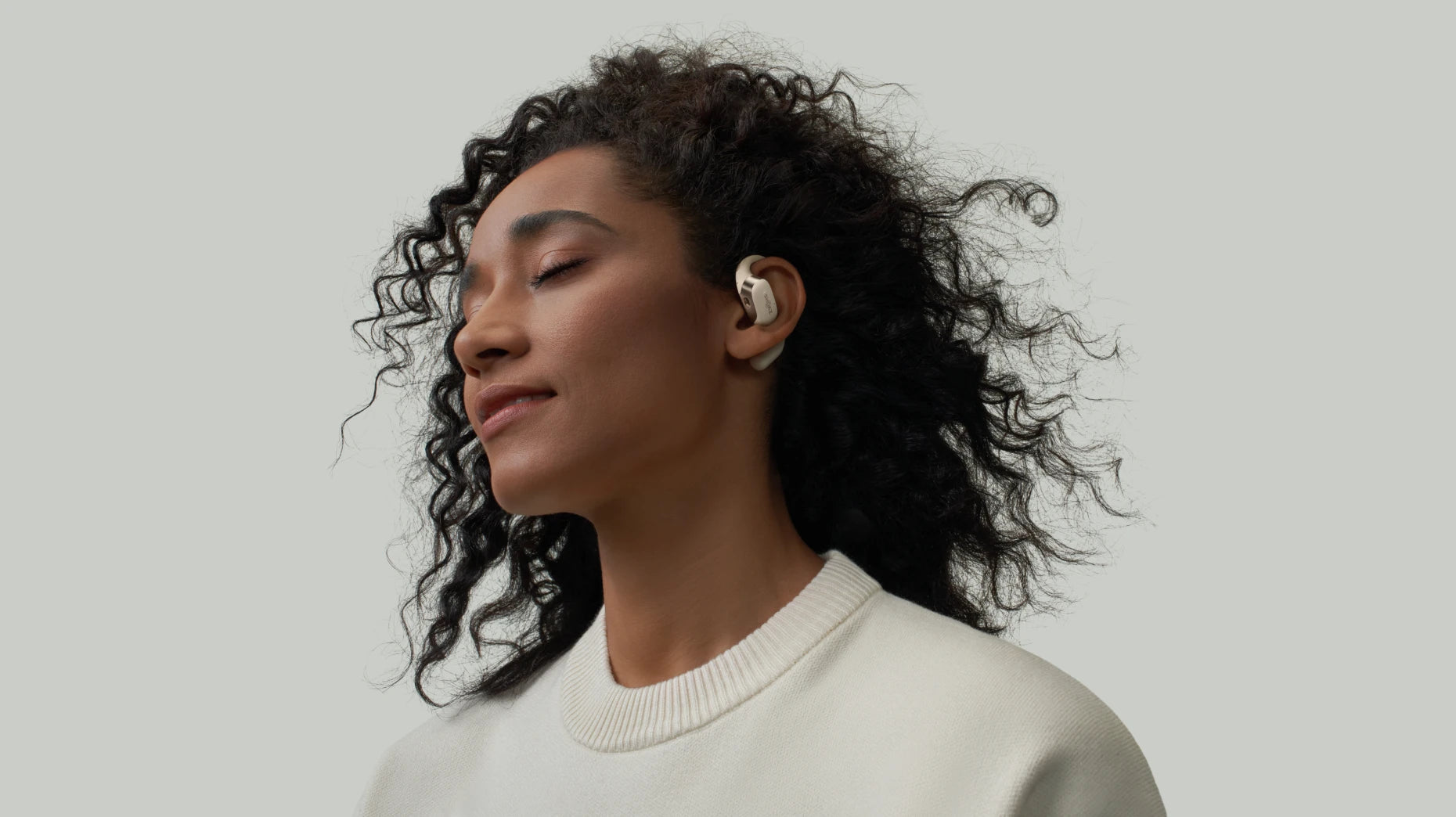
For people who prioritize long-term comfort while maintaining awareness of their surroundings, open-ear headphones offer an alternative. Their open-ear design helps reduce pressure on the ears while allowing you to hear important environmental sounds more naturally.
Recommended 3 Open-Ear Headphones for Different Lifestyles
Shokz is well known for its open-ear audio technology, with a product lineup designed to balance comfort, situational awareness, and everyday performance. Whether you're training outdoors, taking calls throughout the workday, or listening on the go, there's an open-ear model designed for different needs.
Safe and Comfortable for Sports: OpenRun Pro 2
OpenRun Pro 2 is designed for runners, cyclists, and other outdoor enthusiasts who want premium sound while staying aware of their surroundings. Its open-ear design allows you to enjoy your music while continuing to hear what's happening around you, helping support safer outdoor activities.
Premium Audio
Enjoy clear mids and highs, along with deeper bass, powered by Shokz DualPitch™ Technology. The result is a rich and balanced listening experience across a wide range of content.
Enhanced Comfort
DualPitch™ Technology is engineered to reduce vibration compared with previous generations, helping deliver greater comfort during extended listening sessions.
IP55 Water Resistance
With an IP55 rating for water and dust resistance, OpenRun Pro 2 is designed to handle sweat, light rain, and a variety of outdoor workouts.
Clear Calls
An AI-powered noise-canceling microphone with a wind-resistant design helps keep your voice clear during calls, even in outdoor environments.
Long Battery Life
A quick 5-minute charge provides up to 2.5 hours of listening time, while a full charge delivers up to 12 hours of continuous playback.
Designed for Work and Meetings: OpenMeet
Traditional over-ear office headsets can sometimes feel warm or uncomfortable after extended use. OpenMeet features an open-ear design created for professional communication, helping improve long-term comfort throughout the workday.
Compatible with Windows 8+ and macOS 10.15+, OpenMeet works with the Loop120 adapter for convenient plug-and-play connectivity and a stable wireless connection during calls.
All-Day Comfort
A five-point contact design and pressure-relief cushions help distribute weight more evenly, reducing wearing pressure during long meetings.
Clear Voice Performance
Powered by Qualcomm® cVc™ (Clear Voice Capture) technology, the dual-microphone system helps capture your voice clearly for more natural conversations.
Work-Ready Controls
An adjustable boom microphone and an easy-access mute button make it simple to manage calls throughout the day.
Long-Lasting Battery
OpenMeet provides up to 15 hours of battery life on a full charge, supporting a full workday of meetings and calls.
Lightweight Comfort for Everyday Listening: OpenFit 2+
OpenFit 2+ features a lightweight ear-hook design that provides a secure yet comfortable fit for everyday wear. Whether you're exercising, commuting, travelling, or relaxing at home, it delivers open-ear comfort without placing pressure inside the ear.
It also supports wireless charging and fast charging, making it easy to keep your earbuds ready for daily use.
Immersive Audio
Integrated Dolby Audio delivers a rich, spacious listening experience with clear, natural sound.
Extended Battery Life
Enjoy up to 48 hours of total listening time with the charging case, with up to 11 hours of playback from a single charge.
Durable Design
Rated IP55 for water and dust resistance, OpenFit 2+ is built to handle sweat, dust, and light rain during everyday activities.
Seamless Connectivity
Multipoint pairing lets you stay connected to two devices simultaneously, making it easy to switch between work and personal devices.
| Model |
Key Features |
Best For |
| OpenRun Pro 2 |
DualPitch™ Technology, enhanced bass, reduced vibration, IP55 water resistance, AI noise-canceling microphone, up to 12-hour battery life |
Running, cycling, and outdoor workouts where comfort and environmental awareness matter |
| OpenMeet |
Loop120 adapter, Qualcomm® cVc™ dual microphones, adjustable boom microphone, mute button, up to 15-hour battery life |
Professional calls, virtual meetings, and all-day workplace comfort |
| OpenFit 2+ |
Lightweight ear-hook design, Dolby Audio, IP55 rating, up to 48-hour battery life with charging case, multipoint pairing |
Everyday listening, commuting, workouts, and all-day comfort |
How to Choose the Right Headphones for You
Choosing between noise canceling and noise isolating headphones comes down to your listening habits and where you use them most often. Consider the types of noise you want to reduce, how important it is to stay aware of your surroundings, and which features matter most for your daily routine.
Assess Your Listening Environment
Start by thinking about the environments where you'll use your headphones most frequently.
- If you're often exposed to steady, low-frequency background noise, such as on airplanes, trains, or in offices, ANC is typically the better choice.
- If you're more likely to encounter higher-frequency sounds, such as conversations or household noise, noise-isolating headphones with a secure seal may be more effective.
Compare Features and Technology
Beyond noise reduction, it's worth comparing other features that can affect your overall listening experience.
-
Battery Life: If you rely on ANC throughout the day, longer battery life may be an important consideration.
-
Sound Quality: Compare audio performance based on the type of content you listen to most, whether it's music, podcasts, or calls.
-
Water Resistance: If you plan to use your headphones during workouts or outdoor activities, check the IP rating to ensure they're suited to your needs.
-
Additional Features: Some ANC models include Transparency Mode or adaptive listening features, making it easier to balance noise reduction with environmental awareness.
Consider Comfort, Fit, and Budget
Comfort plays an important role, especially if you wear your headphones for extended periods.
- Choose a design that fits securely without creating unnecessary pressure.
- If you find traditional in-ear earbuds or over-ear headphones uncomfortable, open-ear headphones may offer a more comfortable alternative while helping you stay aware of your surroundings.
- Finally, balance the features you need with your budget. Since ANC requires additional hardware and electronic processing, noise-canceling headphones are often priced higher than comparable noise-isolating models.
FAQ
Do noise-canceling headphones prevent hearing loss?
Noise-canceling headphones do not directly prevent hearing loss. They reduce background noise, allowing you to listen at lower volumes. In turn, this can help reduce the risk of hearing damage.
Are noise-canceling headphones good for travel?
Yes. Noise-canceling headphones are an excellent choice for travel, especially on airplanes. They help reduce constant engine noise, making your journey quieter and more comfortable.
Do noise-isolating headphones affect sound quality?
Noise isolation can improve perceived sound quality by reducing external distractions. This makes it easier to hear details in your audio that might otherwise be masked by background noise.
Can you hear background noise with Voice Isolation?
Voice Isolation is a feature available in some communication apps. It helps reduce non-human sounds and background voices so the speaker's voice comes through more clearly.
Whether you can still hear background noise depends on your headphones' physical seal or ANC features, not the Voice Isolation setting itself.
Is it safe to wear noise-canceling headphones outside?
It's generally not recommended to wear traditional noise-canceling or noise-isolating headphones outdoors. They can reduce your awareness of important sounds, such as traffic or warning signals, which may increase safety risks. Open-ear headphones are a safer alternative because they help you stay aware of your surroundings.
Conclusion
When comparing noise isolating vs noise canceling, the best choice depends on your environment and lifestyle.
Noise isolation provides a reliable physical barrier, making it well suited to focused listening at home. Noise cancellation offers an electronic solution that is particularly effective at reducing persistent, low-frequency sounds.
For those who prioritize safety and comfort, open-ear headphones offer a compelling alternative, as they're the only option that provides crucial situational awareness. Choose the technology that best fits where and how you listen to enjoy the best possible listening experience.