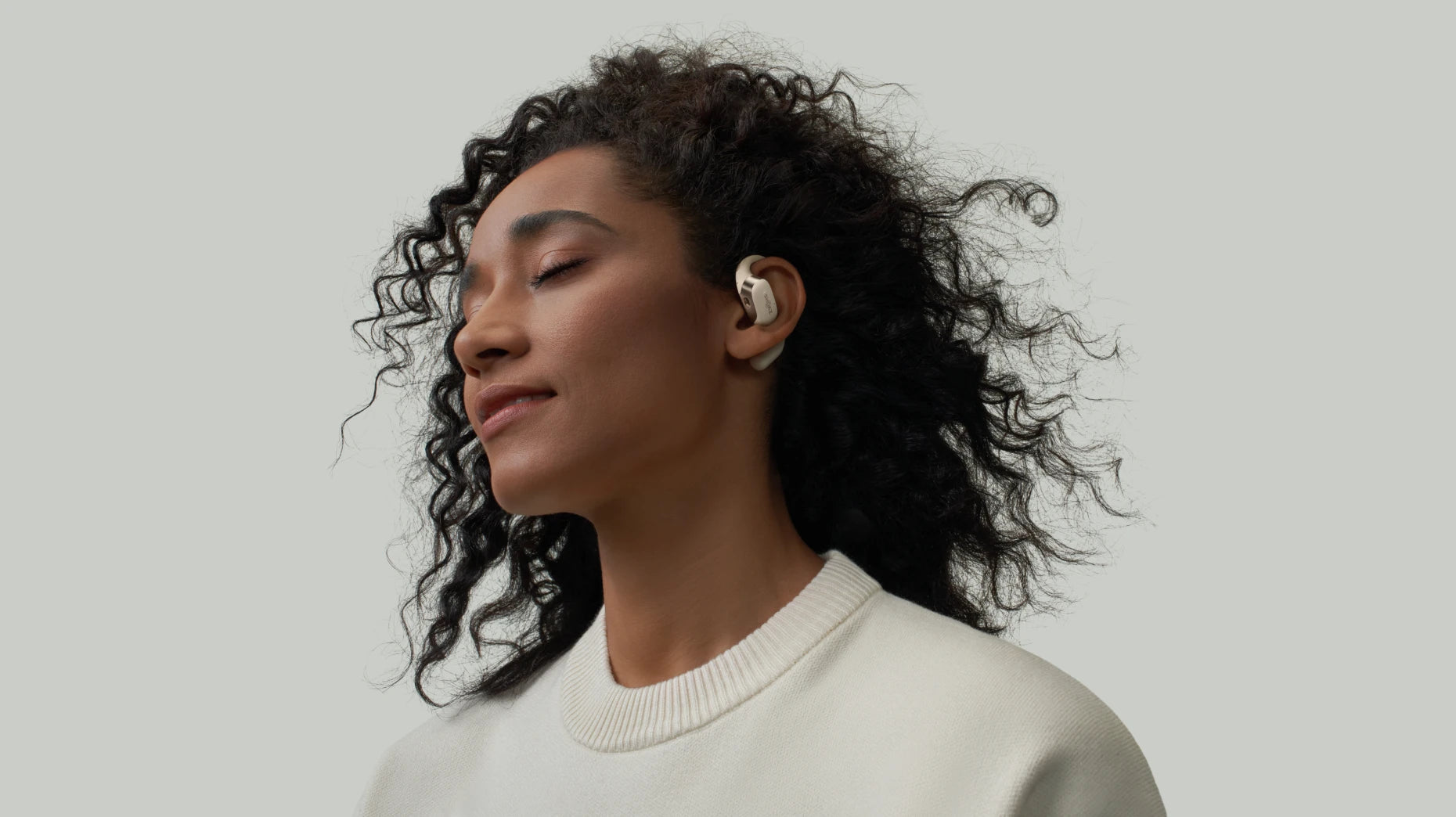
Noise Reduction vs. Noise Cancellation: What's the Difference?
Over the past few years, Active Noise Cancellation (ANC) has become the primary selling point for premium headphones. Higher noise reduction ratings (measured in decibels or dB) have typically translated to steeper price tags and more aggressive marketing campaigns.
However, as we head into 2026, a distinct shift is occurring: long-term users are beginning to question whether "deep cancellation" genuinely equates to a better listening experience. Increasingly, user feedback is pointing towards specific physical drawbacks:
"I get noticeable ear pressure after wearing them for hours."
"The enclosed feeling slows down my reaction time to my surroundings."
"The sealed, in-ear fit gets hot and uncomfortable over time."
This feedback doesn't mean ANC technology is failing. Rather, it highlights a fundamental truth—different technologies are built for different environments. As consumer preference shifts from demanding "total silence" back toward prioritising "all-day comfort," Noise Reduction (NR) is taking centre stage.
Part 1. Noise Reduction vs. Noise Cancellation: Are You Looking for a "Quick Fix" or a "Partner"?
In the professional audio space, Noise Cancellation (ANC) and Noise Reduction (NR) are designed to solve fundamentally different problems.
Noise Cancellation (ANC): The Heavy-Duty Solution for Extreme Environments
ANC works by using built-in microphones to pick up ambient noise and then generating an inverse sound wave to cancel it out entirely.
-
It is exceptionally effective on flights, public transit, and in environments with a constant, low-frequency hum.
-
However, this tech relies heavily on a tight physical seal and continuous signal processing, making it best suited for specific, exceptionally loud situations.
Noise Reduction (NR): Optimised for Everyday Life
Noise Reduction focuses heavily on:
-
Improving the Signal-to-Noise Ratio (SNR).
-
Enhancing the human vocal frequency range.
-
Minimising background interference.
Instead of aiming for total isolation, NR emphasizes "clear audio while staying connected to your surroundings." This is exactly why a growing number of open-ear headphones are touting their noise reduction capabilities over deep cancellation specs.
The real question you need to ask yourself is:
Do I need a heavy-duty tool for loud environments, or a comfortable, all-day audio companion?
Part 2. The Shift in Sensation: Fit, Feel, and Awareness
1. Physical Fit and Ear Pressure
For ANC to work effectively, it almost always requires a sealed fit (either in-ear or over-ear). While this physical seal creates a stable environment to block out sound waves, it can also lead to:
-
Mild to moderate ear pressure.
-
Increased heat in the ear canal.
-
Discomfort during extended listening sessions.
While everyone's tolerance varies, these issues are incredibly common among heavy users. Noise Reduction solutions, on the other hand, are typically built into Open-Ear designs.
-
The open fit allows for natural airflow, eliminating the need to plug the ear canal and offering a "weightless" feel.
-
Note: Open-ear headphones don't rely on a tight physical seal to block out the world; they deliver audio clarity through smart acoustic tuning and advanced algorithms.
2. Situational Awareness and Safety
In high-noise environments, ANC's deep sound-blocking is a huge advantage. But in a busy office, walking down a city street, or going for a run, total isolation can compromise your ability to react to your surroundings.
Noise Reduction technology is explicitly designed to let in:
-
Human voices.
-
Safety warnings (like sirens or horns).
-
General ambient awareness.
This isn't about "incomplete noise cancellation"—it's a deliberate design choice that strikes the perfect balance between audio immersion and personal safety.
Comparison Table: Tech vs. Lifestyle
| Feature | Noise Cancellation (ANC) | Noise Reduction (NR) |
| Form Factor | Mostly sealed In-Ear or Over-Ear | Common in Open-Ear / non-intrusive designs |
| Primary Goal | Block continuous, low-frequency noise | Improve SNR and audio clarity |
| Physical Sensation | Total silence; potential ear pressure | Transparent and natural; zero pressure |
| Situational Awareness | Reduced connection to surroundings | Maintains environmental interaction |
| Ideal Scenarios | Flights, transit commutes, high-noise areas | Office, gym, working from home, daily wear |
| Long-Term Wear | Varies by user; often requires breaks | Exceptionally well-suited for all-day use |
Part 3. 2026 Hearing Health Advice: Prioritising "Ear Longevity"
The World Health Organization (WHO) has long advised headphone users to avoid excessive volumes and take regular breaks. When it comes to long-term hearing health, the main culprits of damage are:
-
Overall volume intensity.
-
Duration of continuous use.
-
Having to manually crank up the volume just to drown out background noise.
If a pair of headphones can deliver crisp, clear audio at a lower volume, it represents a massive win for your long-term ear health.
Our Recommended Strategy:
-
Use ANC in loud, high-stress environments (like travelling on an airplane).
-
Opt for open-ear NR headphones for the office, working from home, and workouts.
-
Keep your volume at a safe level and give your ears regular rest breaks.
Ultimately, this isn't a battle of which tech is "better"—it's about optimising how you use them.
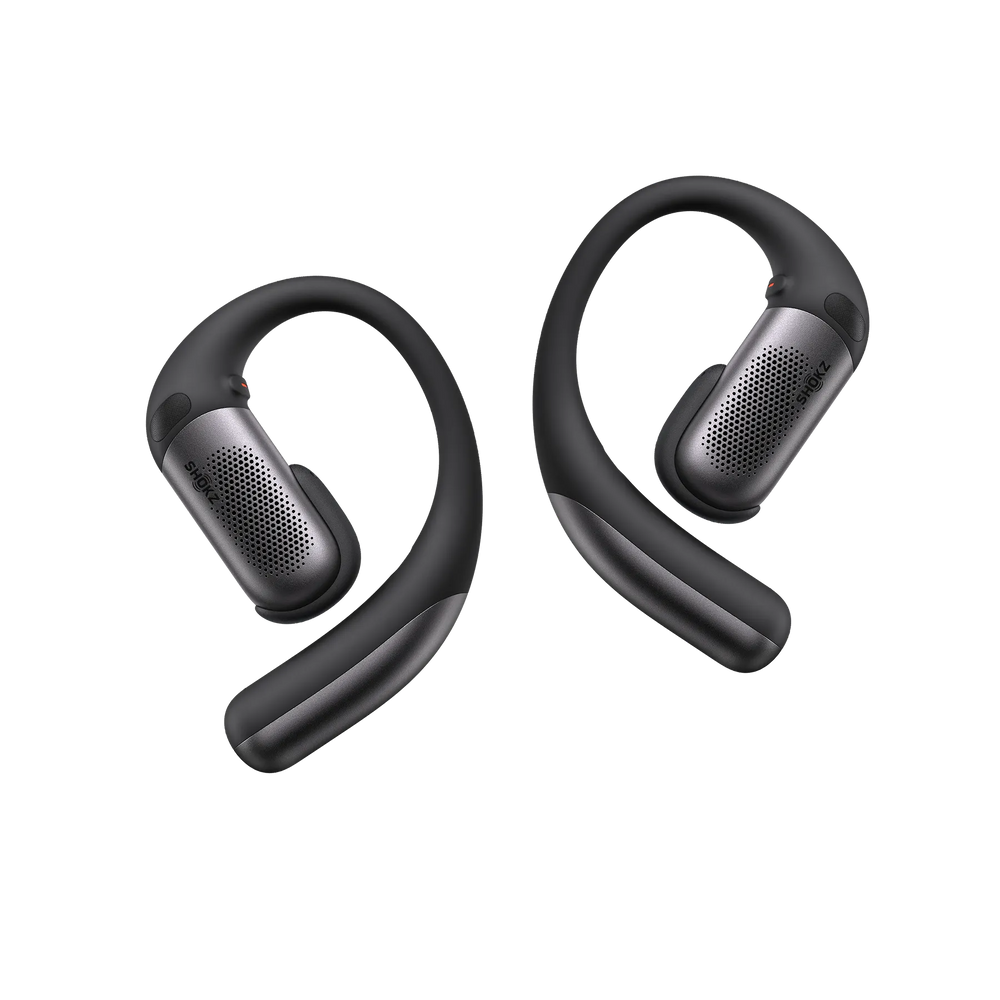
Part 4. Shokz OpenFit Pro: A Prime Example of Open-Ear Noise Reduction
In the open-ear market, the Shokz OpenFit Pro stands out as a flagship product for 2026. Its core design philosophy isn't about chasing extreme noise isolation; instead, it focuses on:
1. An Open-Ear Design
By resting right outside the ear canal, it drastically cuts down on physical pressure. For anyone who wears headphones for hours on end, this design offers a massive upgrade in comfort.
2. Directional Audio and Algorithmic Tuning
Using directional acoustic tech (like DirectPitch™) paired with smart algorithms, it boosts the clarity of voices and music without forcing you to turn up the volume. Delivering "clarity without isolation" is the future of noise reduction tech.
3. Call Optimization
By utilising multi-microphone arrays and environmental noise processing, it makes speech recognition incredibly sharp. This translates to natural, crystal-clear audio during Zoom meetings or chatting on your mobile.
The Bottom Line:
Open-ear headphones will never give you the deep, isolated silence of ANC. But for everyday life, they offer a far more relaxed, balanced, and comfortable solution.
FAQs: Noise Reduction vs. Noise Cancelling
Q: How do noise reduction headphones hold up in windy weather?
A: High winds are always tough for open-fit designs. While modern noise reduction algorithms are great at filtering out wind interference from your music and calls, they won't completely eliminate the sound of the environment.
Q: Why do some people get "listener fatigue" from wearing ANC headphones for too long?
A: Certain users are simply more sensitive to the sealed physical fit or the constant, inverse sound waves generated by ANC. Because individual tolerance varies wildly, it's always best to choose your tech based on what feels comfortable to you.
The Verdict
Heading into 2026, the way we buy headphones is shifting from obsessing over extreme specs to focusing on long-term comfort and the overall listening experience.
-
Noise Cancellation remains unmatched for specific, loud situations.
-
Noise Reduction is the superior choice for everyday, high-frequency, and long-duration wear.
The smartest choice isn't blindly purchasing the headphones with the strongest noise cancellation—it's matching the technology to your lifestyle. As comfort, clarity, and situational awareness become the top priorities, open-ear headphones with advanced Noise Reduction are quickly becoming the go-to choice for professionals and heavy users alike.
Author Information

guides on Shokz
Related Posts