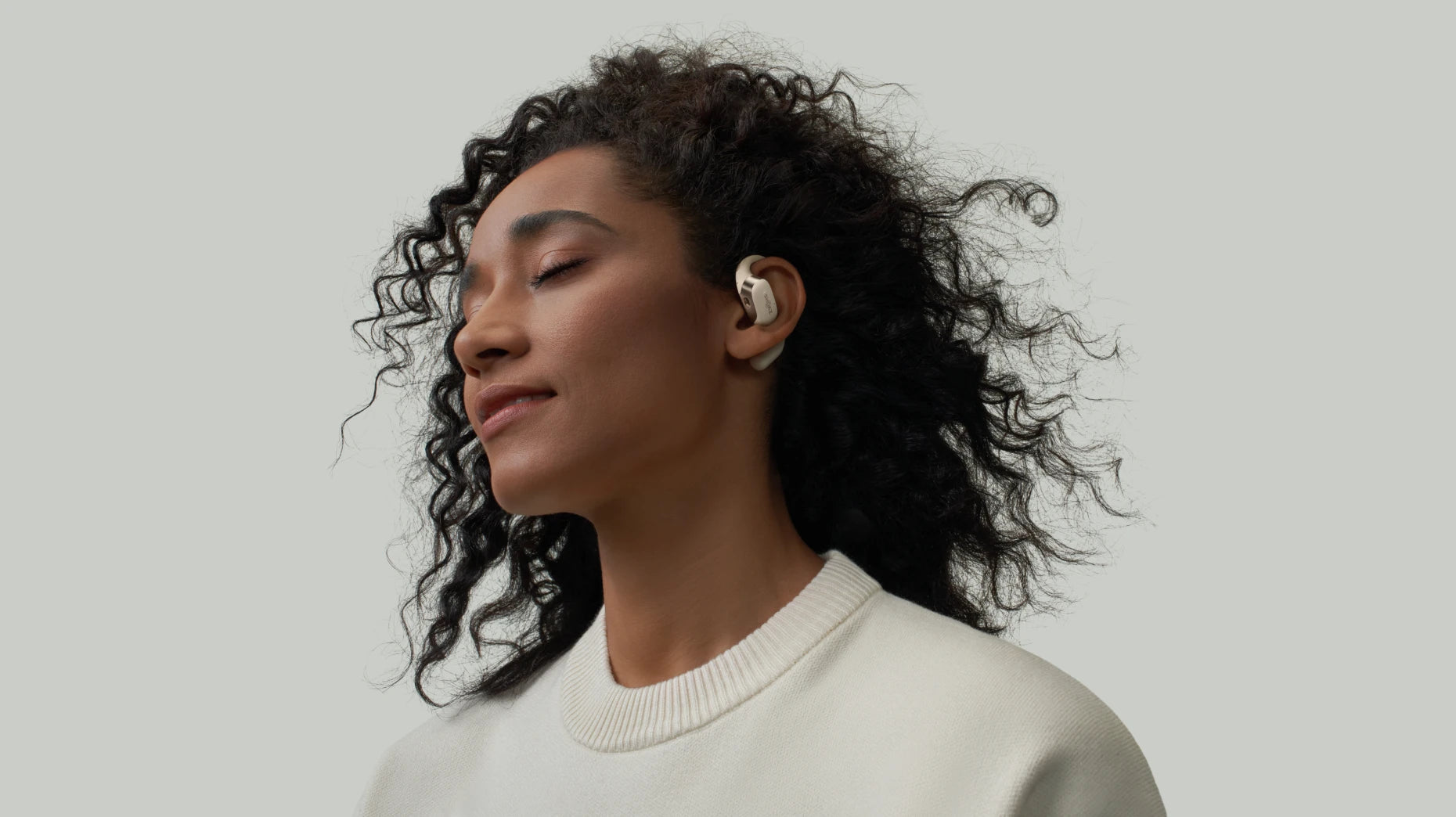
How to Wear Bone Conduction Headphones the Right Way
Bone conduction headphones are changing how we experience sound—reducing ear fatigue while helping us stay connected to the world around us. Whether you’re jogging through the neighbourhood, hiking local trails, working from home, or commuting on public transit, knowing how to wear your headphones properly can make a noticeable difference in comfort, sound quality, and safety.
In this guide, we’ll walk you through how to get the ideal open-ear fit so you can get the most out of your Shokz open ear headphones.
How Do Bone Conduction Headphones Work
Bone conduction technology uses specialized transducers to send subtle sound vibrations through your cheekbones directly to the inner ear (cochlea). Because this process bypasses the eardrum, it allows you to hear audio without blocking your ear canal.
Unlike traditional earbuds or over-ear headphones, this open-ear design lets you stay aware of ambient sounds—like traffic, cyclists, or announcements—while still enjoying your music, podcasts, or calls. This makes them especially useful for outdoor activities and commuting in busy urban environments.
One thing to note: due to how sound is delivered through vibration, bass response may feel lighter compared to traditional headphones. This is a natural trade-off that supports long-term comfort and awareness.
Step-by-Step Guide: How to Wear Open Ear Bone Conduction Headphones
To get the best experience, proper fit is key. Here’s how to wear your headphones correctly:
Step 1: Identify the Correct Orientation
Some Shokz open ear headphones feature a wraparound design. The band should sit comfortably around the back of your head or neck—not over the top.
The transducers (the small pads that deliver sound) should face forward, aligned with your cheekbones.
Step 2: Position on Your Cheekbones
Unlike traditional earbuds, these should not go inside your ears.
Instead, place the transducers just in front of your ears so they rest gently on your cheekbones. This positioning allows sound vibrations to travel efficiently while keeping your ears open to your surroundings.
Step 3: Adjust for Comfort and Stability
Once in position, adjust the band so it feels secure but not tight. You should notice light contact without pressure.
Shokz models such as the OpenRun Pro 2 are designed for stability, helping them stay in place during runs, workouts, or daily movement.
Step 4: Test the Fit and Sound
Play a familiar song or podcast to check the sound quality.
If the audio feels unclear or uneven, try adjusting the position slightly along your cheekbones until you find a balanced, natural sound.
Step 5: Maintain Hygiene and Performance
To keep your headphones performing well over time, wipe the pads clean regularly—especially after workouts.
Since your ears remain open, your listening experience may vary depending on your environment. In quieter settings, you may prefer slightly lower volume levels for comfort.
How to Keep Bone Conduction Headphones from Falling Out?
Even with a good fit, movement and accessories can affect stability. Here are some practical tips:
For running and Workouts
Make sure the band rests securely around the back of your head without bouncing.
If you’re sweating, consider wiping your skin before putting them on, as moisture can reduce grip slightly. Many Shokz models use flexible yet durable frames that help maintain a stable fit during activity.
For Working or Commuting
Comfort matters most during longer wear.
Adjust the band so it sits naturally without pressing into your neck. The open-ear design allows you to stay aware of conversations, announcements, or your surroundings—especially useful on public transit or in shared spaces.
For Glasses or Hat Wearers
If you wear glasses or a hat, try positioning the transducers slightly above or below the temple arms.
Lightweight frames tend to pair best, reducing pressure points. Small adjustments can help you find a setup that feels balanced and comfortable.
Common Mistakes to Avoid
To get the most out of your Shokz open ear headphones, try to avoid these common issues:
-
Placing the transducers over your ears instead of your cheekbones
This can reduce sound clarity and affect performance -
Over-tightening the band
This may lead to discomfort over time -
Using high volume in very quiet environments
Vibrations may feel more noticeable than expected -
Skipping a quick fit check before use
A small adjustment can make a big difference in sound quality
Best Shokz Open Ear Bone Conduction Headphones You Can Choose
Shokz has been a long-time leader in bone conduction technology, offering options for different lifestyles—from fitness to daily commuting.
Here are a few popular choices:
-
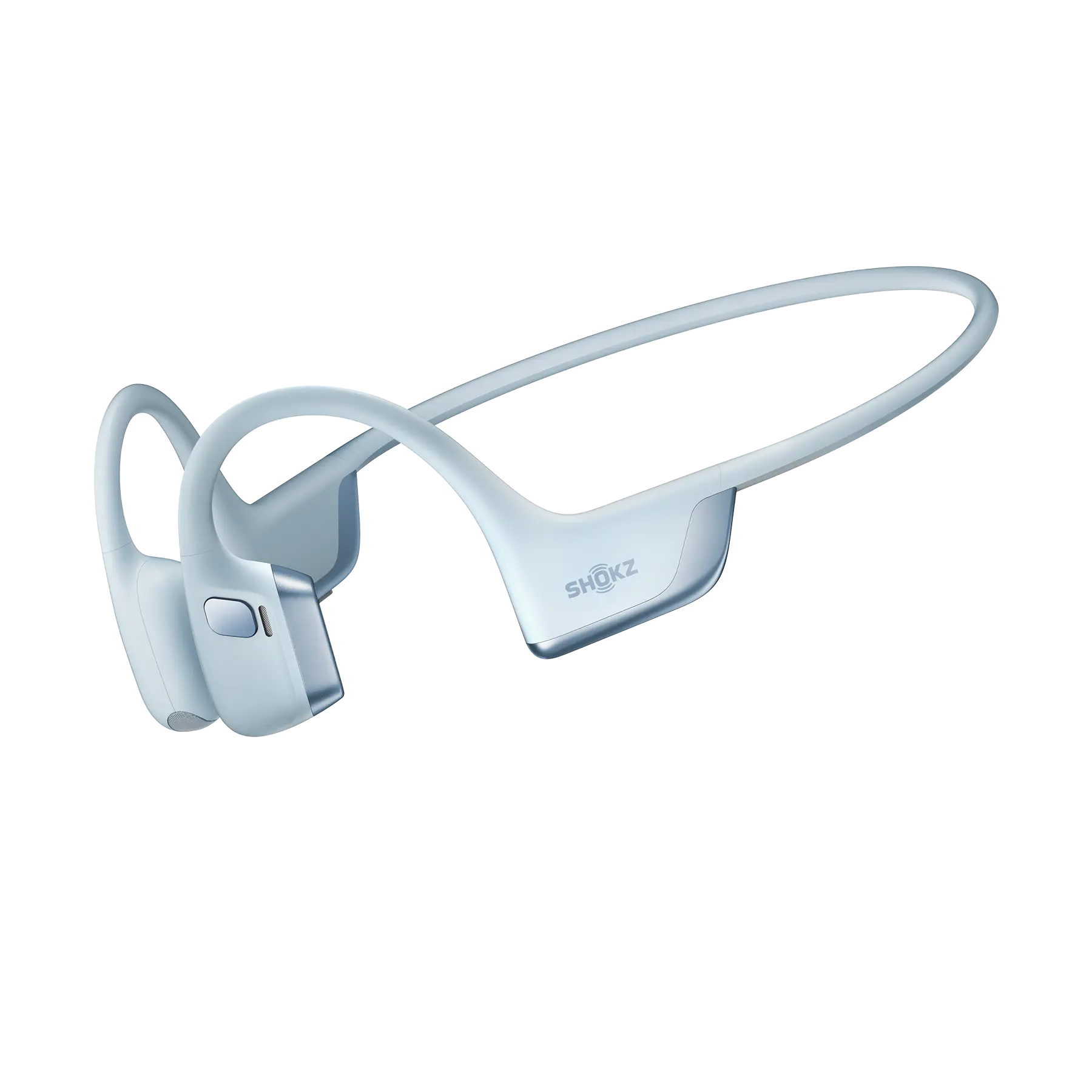
OpenRun Pro 2
A premium option with enhanced bass, quick charging, and a secure fit—well suited for runners and active users
-
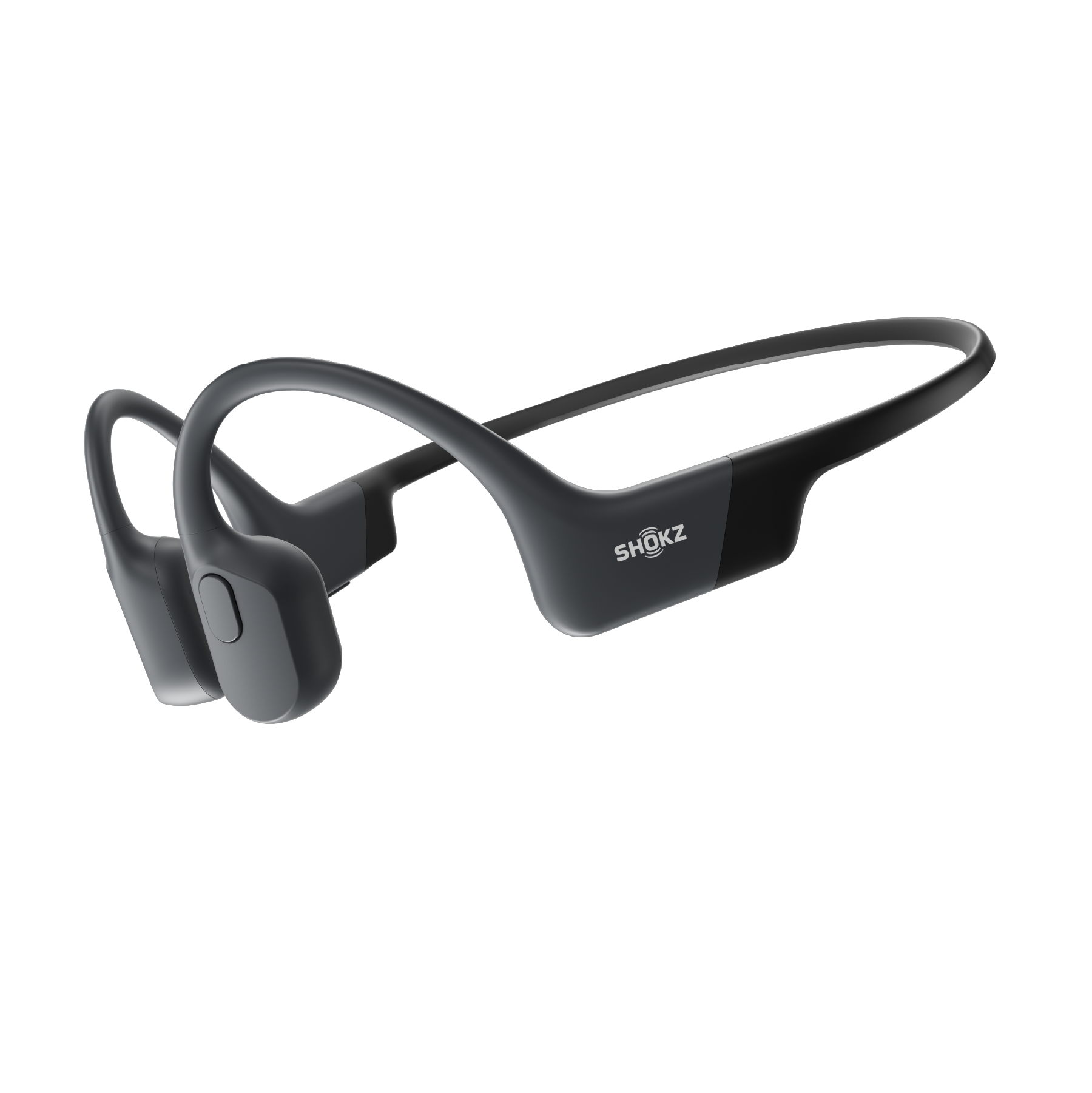
OpenRun
Lightweight, reliable, and great for everyday workouts and outdoor use
-
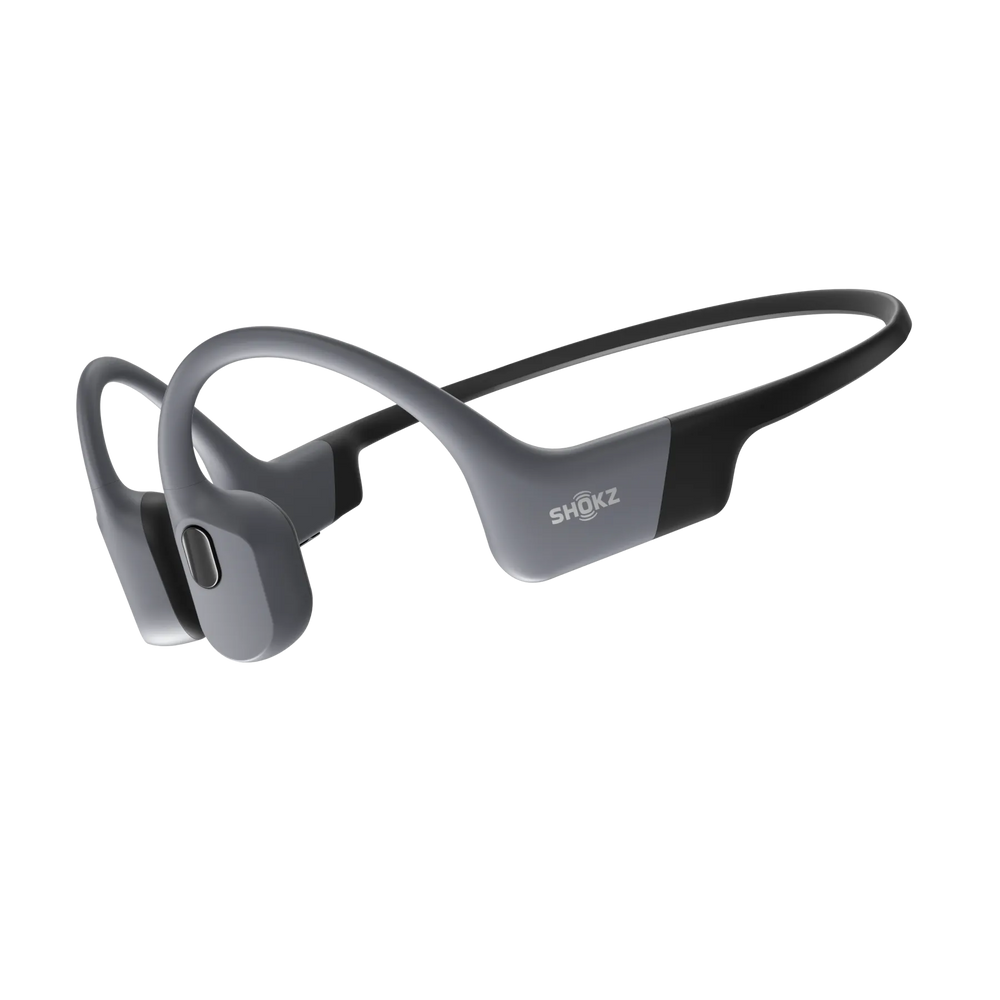
OpenSwim Pro
An open-ear design built for both swimming and training, with IP68 waterproofing and built-in MP3 storage—ideal for workouts in and out of the water.
FAQs about Wearing Bone Conduction Headphones Correctly
Q1: Do bone conduction headphones need to touch your ears?
No. They should rest on your cheekbones, just in front of your ears. Your ear canal remains open.
Q2: What if my headphones feel loose?
Try repositioning them slightly forward and ensuring the band sits properly. Keeping the contact points clean and dry can also help improve stability.
Conclusion
Learning how to wear Shokz open ear headphones properly can improve both comfort and overall listening experience. With the right fit and a few simple adjustments, you can enjoy clear audio while staying aware of your surroundings—whether you're running, commuting, or going about your day.
Author Information

guides on Shokz
Related Posts