How Many Calories Does 10,000 Steps Burn?
Walking might seem like a basic way to get around, but hitting that five-digit milestone is a different story. As the 10,000-step goal gains more traction across Canada, you are probably left wondering exactly how many calories does 10000 steps burn. The answer isn’t easy to say. Your weight, pace, and even terrain all play a part in how much energy your body uses. We are going to look at the actual science behind the numbers to help you calculate it properly. So you’ll know exactly what those steps mean for your fitness goals
How to Calculate Calories You Burn by Walking 10000 Steps
You can’t just give one number for 10,000 steps because everyone’s body works differently. If you are carrying more weight, your body has to work a lot harder, so you end up burning way more fuel than someone smaller.
Fast Reference: Estimated Calorie Burn by Body Weight
For most of us, hitting that 10,000-step goal means you’ve covered roughly eight kilometres. Although it may be the same distance, the calorie burn varies by your weight.
Quick Overview Table
|
Weight (lbs) |
Estimated Calories Burned (10k Steps) |
|
120 lbs |
300–350 kcal |
|
150 lbs |
400–450 kcal |
|
200 lbs |
500–600 kcal |
120 lbs (Approx. 54 kg)
At this weight, you are likely looking at about 300 calories for your 10,000 steps. Because you are lighter, the effort is a bit lower, so you might want to walk a bit faster or find some uphill paths if you want to match the burn of a heavier person.
150–160 lbs (Approx. 68–73 kg)
This is the "middle ground" that most fitness apps use for their default math. Typically, you will burn somewhere between 400 and 450 calories, but obviously, your actual intensity is going to nudge that number up or down.
200 lbs (Approx. 91 kg)
Being heavier means your body has to work way harder just to move, so your heart and muscles are burning more fuel. By the time you finish those eight kilometres, you could easily be at 500 or even 600 calories burned just because of the extra mass you are carrying.
Precise Calculation: Using the MET Formula
If you really want to get down to the brass tacks of how many calories does walking 10000 steps burn, you should probably look into the MET formula. MET stands for Metabolic Equivalent of Task, which is basically just a fancy way to measure how much harder your body is working compared to when you are just hanging out or resting.
Step 1: Determining the MET Value Based on Speed
Your MET value isn't set in stone; it changes based on how much of a hurry you are in. Check out this quick reference to see how your walking speed stacks up against its MET score:
|
Walking Speed |
MET Value |
Description |
|
2.0 mph (3.2 km/h) |
2 |
Leisurely pace |
|
3.0 mph (4.8 km/h) |
3.0 |
Moderate pace |
|
4.0 mph (6.4 km/h) |
5.0 |
Very brisk pace |
For example, walking at about 3.0 miles per hour (roughly 4.8 kilometers per hour) corresponds to a MET value of 3.0. This means you use three times the energy your body would expend while resting.
Step 2: Weight Conversion (Lbs to Kg)
The math needs kilograms to work. If you’re used to pounds, just take your weight and divide by 2.205. For example, if you are 150 lbs, that puts you at about 68 kg.
Step 3: Calculating Total Burn Over Time
To find the final damage for those 10,000 steps, you can use this simple bit of math:
Calories burned = MET × weight (kg) × duration (minutes) ÷ 60
For example, if you walk at a pace with a MET value of 3.0 (about 3.0 miles per hour), weigh 68 kilograms (approximately 150 pounds), and spend 100 minutes walking (roughly the time it takes to complete 10,000 steps), the calculation looks like this:
3.0 × 68 × 100 ÷ 60 = 340 calories burned
The logic is pretty simple. It’s a personalized guess based on how heavy you are and how fast you’re moving. You can see exactly how many calories do I burn in 10000 steps for your specific day by just plugging in your own numbers.
Factors Affecting Calorie Expenditure
Even with the math, real life is a bit messier. A lot of different things change how many calories 10000 steps burn in the real world. It basically comes down to your own body and where you’re walking.
1. Body Weight
Weight is the main thing here. It just takes more fuel to move a bigger frame. That is why someone heavier will see a much higher number on their tracker than a lighter person walking the same eight kilometres.
2. Walking Speed and Intensity
Picking up the pace makes your heart work harder. For many, a brisk walk acts as a perfect form of zone 2 cardio, which is the ideal intensity for burning fat while building aerobic endurance. If you finish your walk in an hour instead of dragging it out over three, your body stays in a higher gear, so you burn way more per minute.
3. Terrain and Incline
A flat treadmill is one thing, but hitting a real trail is a different story. Uneven ground forces your muscles to work harder just to keep you steady. Plus, walking uphill can almost double your burn compared to just staying on a flat sidewalk.
4. Genetics and Body Composition
Your DNA and how much muscle you have play a huge role too. For instance, if two people both weigh 180 lbs but one is more muscular, that person will burn more because muscle uses more energy than fat. Everyone’s metabolism has its own speed.
5. Walking Technique and Form
Having bad form can actually make your body work harder because it is less efficient. While that might burn a few extra calories, it is also a fast way to get an injury. Engaging your core and swinging your arms naturally is the best way to keep your burn steady without hurting yourself.
Health Benefits of Walking
Forget the calorie counts for a second. Walking is consistently ranked among the best cardio exercises for weight loss because it is incredibly sustainable. Walking does so much for your body. It is easily one of the most sustainable ways to stay fit.
Cardiovascular Health
Getting your heart rate up with a daily walk is a game-changer for your circulation. It keeps your heart strong and your blood pressure in check, basically making sure your arteries stay flexible and your heart doesn't have to strain as hard.
Metabolic Function and Blood Sugar Balance
If you want to stop those afternoon energy crashes, try going for a stroll right after a meal. This habit helps your blood sugar levels because it forces your muscles to use up that glucose immediately. Over time, it makes your body much more efficient at handling insulin.
Mental Wellness and Mood Support
There is something about the rhythm of walking that just clears your head. It is like a form of moving meditation that drops your cortisol levels. If you are feeling stressed or anxious after a long day, a quick walk is usually the fastest way to hit the reset button.
How to Reach 10,000 Steps Easily
Fitting in a massive trek isn’t always realistic with a busy schedule. The trick is to just sneak movement into the gaps of your day whenever you can.
Daily Life Integration
Park a bit further from the shop door or skip the lift for the stairs. These tiny swaps really start to count up, and the best part is you don’t even need to bother changing into gym gear.
Utilizing Fragmented Time
A quick ten-minute stroll on your lunch break or walking to the bus stop makes a huge difference. These short bursts are just as good for your total count as one long session. Before you know it, those little moments turn into thousands of steps.
Increasing Motivation through Music and Podcasts
Throwing on a podcast or a solid playlist makes the goal feel less like work. The right track gives your walk a rhythm. A good story keeps your mind busy while your body does the work. It’s suddenly less about exercise and more about flow.
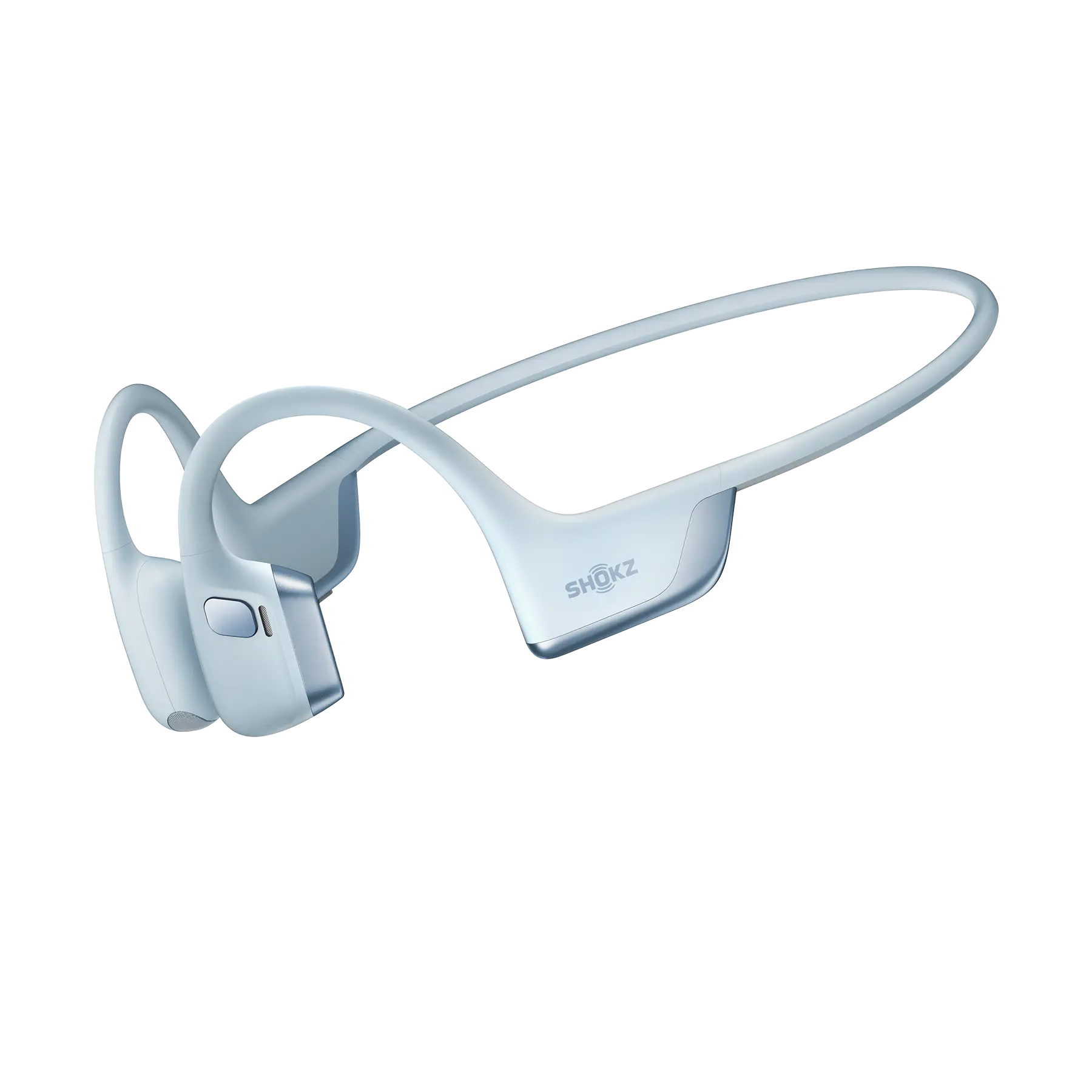
To keep this motivation going for a long walk, a pair of good sports headphones matters. Open-ear models like the Shokz OpenRun Pro 2 are brilliant for this because they don't actually go inside your ears. You don't get that "plugged-in" or sweaty feeling, even if you’re huffing and puffing up a hill. Picture yourself halfway through your route. The city hums in the background, your favorite song kicks in, and the rhythm pushes you to keep moving.
FAQ
1. Is 10k steps a day considered very active?
It is often considered “active”. However, "very active" is another level of exercise intensity. It typically involves vigorous activities like running, high-intensity interval training (HIIT), or prolonged cardio sessions that significantly raise your heart rate and breathing. But hitting 10k is still a good result for your overall health.
2. Is walking 10,000 steps as effective as running for 30 minutes?
The burn is pretty much the same, but running just gets it sorted faster. It is also hard to keep going, especially for those who seldom exercise. Walking is a better choice if you want to protect your knees and actually keep the habit going.
3. Is there a caloric difference between walking 10,000 steps at once vs. throughout the day?
The total count stays the same no matter how you time it. A long walk is great for the heart, but breaking it up means you aren't stuck on your bum all day, which is just as important.
4. Does walking 10,000 steps on an empty stomach burn more calories?
Not really. You might tap into fat stores slightly more, but the total burn stays pretty much the same at the end of the day. If you feel a bit rubbish or lightheaded without food, just have a snack. It is far better to have the energy to actually keep a decent pace.
5. Why am I not losing weight walking 15000 steps a day?
You can’t outwalk a bad diet, so the scale won't move if you’re eating more than you burn. You need to consider your food intake in conjunction with the number of calories you burn by walking 10,000 steps to see results.
Conclusion
How many calories does 10000 steps burn? It is a useful bit of data, but don't get too hung up on the exact maths. Your weight and your pace change the result, but the real win is just moving. Grab some decent gear, like a comfortable pair of wireless headphones, find a podcast you actually enjoy, and get those kilometres in. It is much more about the routine than the numbers on your watch.
Author Information

guides on Shokz
Related Posts