Are Clip-On Earbuds Safe for Your Hearing Health?
If taking out your earbuds leaves you with a dull ache or faint ringing, you aren't alone. Wedging a speaker into your ear canal traps pressure against your eardrum, often causing noticeable fatigue.
As Canadians increasingly search for pain-free alternatives, open-ear designs have become incredibly popular. Because they sit entirely outside the ear, it’s natural to wonder: are clip-on earbuds safe for hearing health? Let’s explore how this setup impacts your ears and how to listen safely.
Signs Your Traditional Earbuds Are Stressing Your Ears
Before exploring new options, it helps to recognize the common warning signs that your current daily drivers might be pushing your ears too far. Prolonged use of tightly sealed earbuds typically triggers a few distinct symptoms:
-
Intense Ear Pressure: A tight seal traps acoustic energy, often leading to a heavy, uncomfortable "plugged-up" feeling during long sessions.
-
Physical Ear Fatigue: Inserting hard plastic into the sensitive ear canal creates mechanical pressure and friction. This contact, combined with heat build-up and poor airflow, leads to tissue congestion and foreign-body discomfort, ultimately triggering physical ear fatigue.
-
Temporary Hearing Strain: Experiencing a faint ringing (tinnitus) or muffled sounds immediately after pulling your earbuds out is a strong indicator that your inner ear needs a break from concentrated volume.
What’s the Difference Between In-Ear vs. Clip-On Earbuds?
Traditional earbuds use silicone tips to form a tight seal inside your ear canal. While this blocks background noise, it also traps body heat and funnels concentrated sound pressure directly against your eardrum.
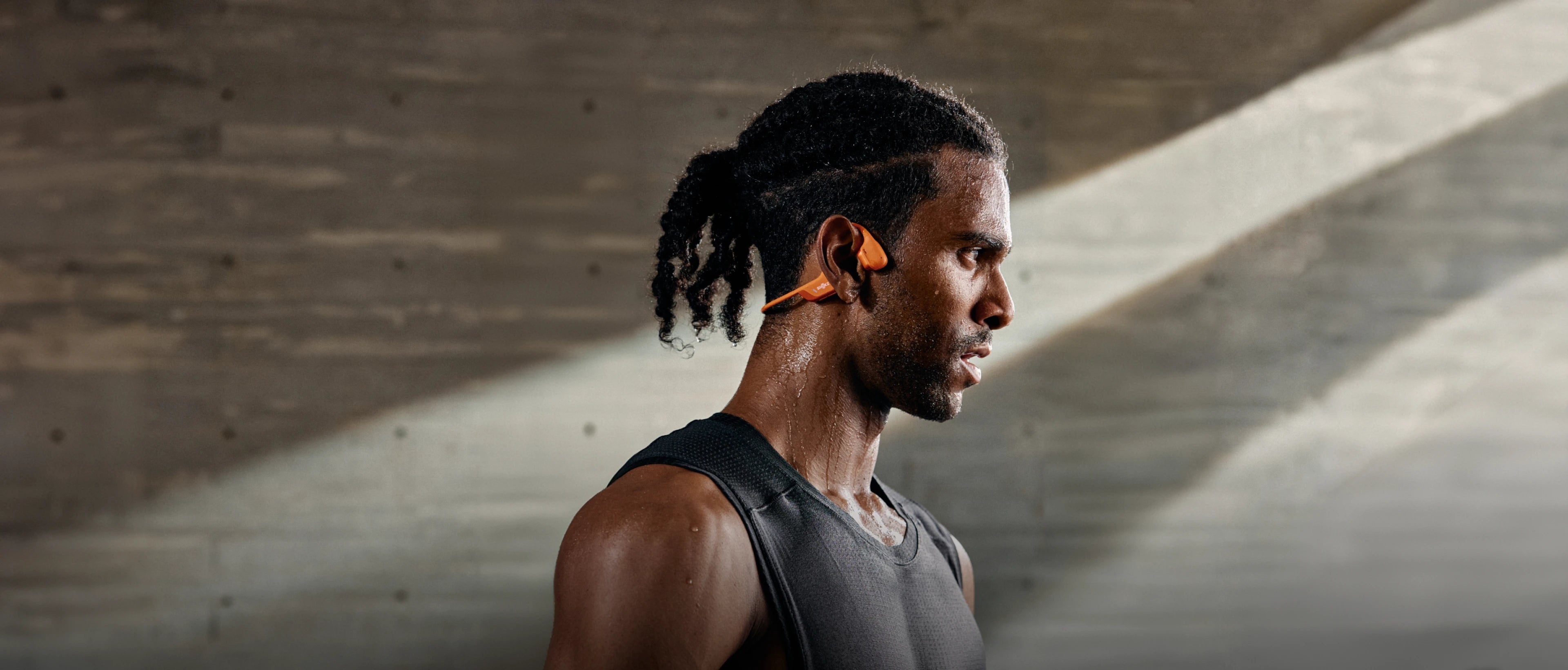
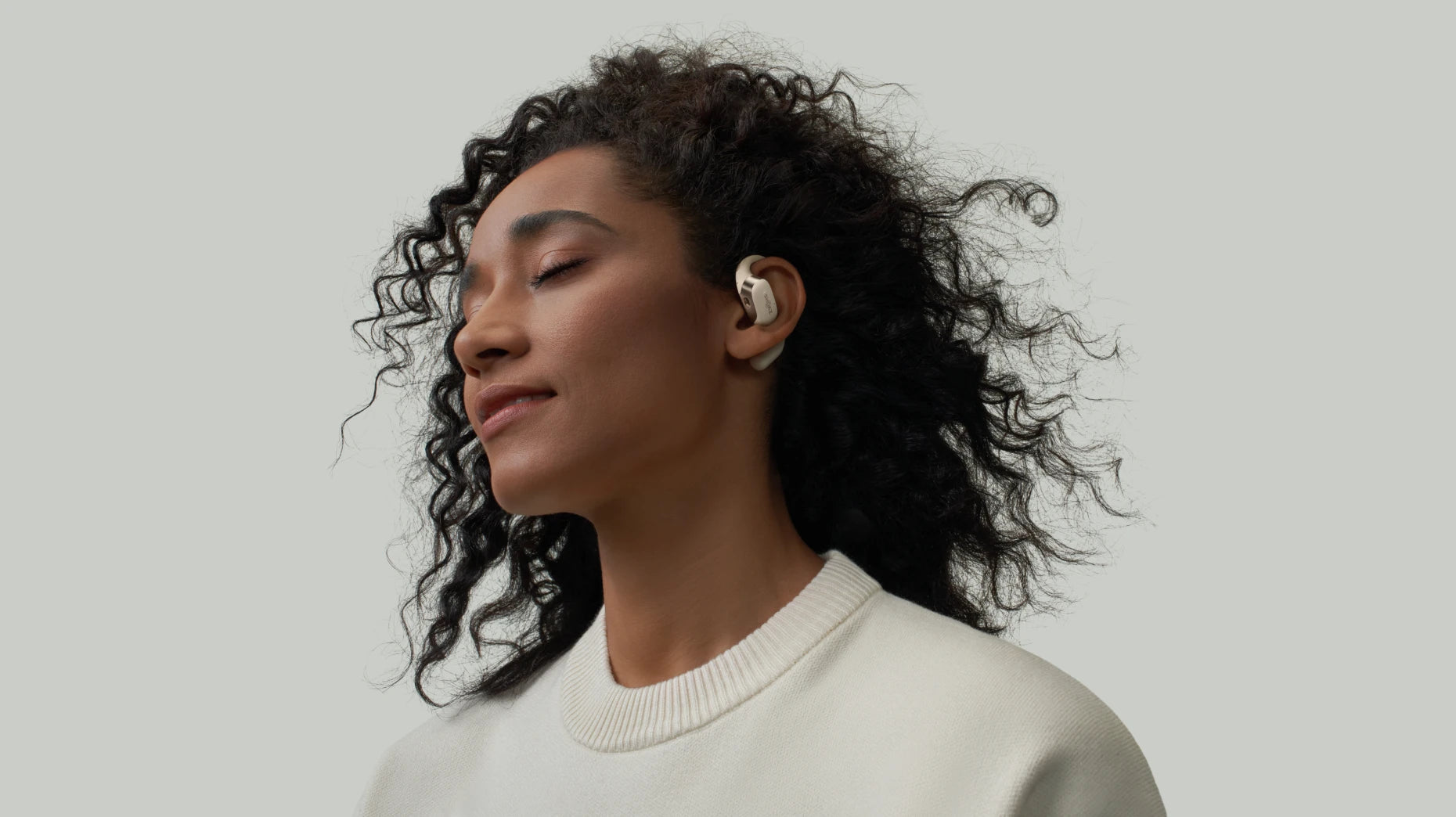
Clip-on earbuds, however, anchor gently to your outer cartilage. They rely on air conduction—the speaker hovers just outside your ear, allowing sound waves to travel through the air first. This slight distance lets acoustic energy disperse naturally, which typically prevents the intense internal pressure and trapped moisture responsible for listening fatigue.
The Hearing Health Benefits of Clip-On Earbuds
Making the switch to an open-ear design isn't just about trying a new tech trend; it can make a very real difference in how your ears feel over time. Here is how moving the speaker away from the canal helps alleviate common pain points:
-
Relieving Ear Canal Pressure: Because clip-on earbuds sit completely outside the ear, they don't block the canal. This usually eliminates that uncomfortable "plugged-up" feeling. Since the air isn't forcibly trapped, the direct acoustic pressure hammering against your eardrum is significantly reduced.
-
Lightweight Comfort for All-Day Wear: Shoving plastic into your ear often causes friction and skin fatigue. By resting lightly on the outer cartilage instead, modern clip-on designs (which often weigh just a few grams) bypass the inner ear entirely. This feather-light approach prevents the physical stretching that makes long listening sessions unbearable.
-
Reducing the Risk of Irritation: A sealed ear canal easily traps sweat, especially during a run or a workout at the gym. Wireless earbuds that stay out of your ear allow for natural airflow. Keeping the canal cool and dry typically cuts down on bacterial build-up and the persistent itchiness associated with trapped moisture.
The Catch: When Can Clip-On Earbuds Still Cause Strain?
While open-ear designs are incredibly comfortable, they aren't a magical cure-all. There are still a few habits you'll want to watch out for, particularly depending on your environment:
-
The Trap of Volume Compensation: When you're taking public transit or jogging near heavy traffic, the immediate instinct is to crank up the volume to drown out the background noise. Pushing your audio to maximum decibels can still damage your hearing over time, no matter what style of earbud you are wearing.
-
Chasing the Bass During Workouts: Unsealed designs naturally let some of the heavy sub-bass frequencies escape. If you rely on a booming beat to get through a tough gym session, you might be tempted to push the volume past safe limits just to "feel" the music, which easily defeats the purpose of safe listening.
-
Improper Adjustment Risks: If the earbuds aren't positioned correctly, you might perceive the sound as weak or muffled. Instead of adjusting the fit, many users instinctively press the clip-ons tighter against the canal or ramp up the volume. This localized pressure and excessive sound exposure can cause skin irritation and long-term auditory strain.
How to Use Clip-On Earbuds Safely and Securely
Protecting your hearing health is simple if you build a few smart habits into your daily routine.
-
Follow the 60/60 Rule: Try to keep your volume at or below 60% of the maximum, and give your ears a quick break after 60 minutes of continuous listening.
-
Master the Proper Fit: Make sure the speaker is positioned properly over the ear canal opening. A good fit relies on a balanced, gentle hold on the cartilage, not a tight pinch that leaves your outer ear sore.
-
Keep Your Gear Clean: Give the contact points a quick wipe-down once a week. Removing everyday sweat and skin oils goes a long way in preventing outer ear irritation.
-
Choose High-Quality Hardware: Poorly tuned audio drivers often force you to turn the volume up just to hear the vocals clearly.
If you want a balanced, reliable open-ear experience, the Shokz OpenDots ONE open-ear clip-on earbuds are a great example of doing it right. They use DirectPitch™ technology to efficiently channel audio directly toward your ear canal. For you, this means getting crisp, clear sound without needing to push your device to maximum volume, naturally making those safer listening habits much easier to stick to.

FAQ
Q1: Can others hear my music when using clip-on earbuds?
A: No, typically not. While there is slightly more sound leakage than with deeply sealed earbuds, quality clip-on models use highly directional audio technology. This focuses the audio directly toward your ear, meaning someone sitting next to you at the office will usually only hear a faint whisper at normal listening volumes.
Q2: Are clip-on earbuds good for airplanes or noisy commutes?
A: Not usually. Because they don't seal your ear canal or offer Active Noise Cancellation (ANC), loud cabin roar or public transit noise will easily mix with your audio. The danger here is the strong temptation to crank the volume to unsafe levels just to hear your movie or podcast.
Q3: Can I comfortably wear clip-on earbuds if I wear glasses?
A: Yes, in most cases! Modern clip-on earbuds are designed with highly flexible, thin materials that typically share the space behind your ear without much issue. However, if you wear glasses with particularly thick frames, it might take a little adjusting to find the perfect, pinch-free fit.
Conclusion
When it comes to protecting your hearing over the long haul, how you wear your audio gear can be just as important as how loud you play it. Open ear headphones offer a practical, incredibly comfortable way to avoid the deep canal pressure, trapped heat, and aching fatigue that traditional earbuds so often cause. By understanding their limits in noisy environments and keeping an eye on your volume, you can safely leave your earbuds on all day.
If your ears have been begging for a break, it might be time to give the silicone tips a rest. Try testing out a quality pair of open-ear headphones on your next walk or workday—your ears will likely thank you!
Author Information

guides on Shokz
Related Posts