It looks like you are visiting the United States of America website from Canada. Since we don't
ship orders from United States of America to Canada, please visit your local Shokz website.
Many people feel frustrated when regular earbuds hurt their ears or fall out easily. Standard sizes do not work well for everyone, especially for people with smaller ears. This guide gives you a clear and simple way to find the best small earphones. The goal is to help you get comfortable wear and good sound at the same time.
We will explain the key differences between small-fit earbuds, offer reliable recommendations, and share practical tips for a secure and pain-free fit. With the right pair, you can enjoy music, calls, or podcasts.
Small Earphones vs. Standard Earphones
The difference between standard and small earphones goes beyond size and weight. Each type is built for different users. Earbuds for small ears focus more on comfort and long-term wear.
Target Users
Standard earphones fit average ear shapes. Earphones for small ears are made for people with smaller ear canals. They focus on comfort and long-term wear.
Weight & Size
Standard earphones are usually heavier. Small earphones use lighter materials to reduce pressure and make longer listening more comfortable.
Audio Quality
Standard earbuds may lose clarity when the fit is loose. Small-ear models create a tighter fit, which helps boost bass and improve overall sound detail.
Fit and Stability
Standard earphones can slip out of tiny ear canals. Small-ear earphones provide a more secure fit and help improve stability during movement.
Battery Life
Standard models often include bigger batteries and longer playtime. Compact small-ear earphones balance size and efficiency to deliver reliable daily battery performance.
Small Earphones vs. Standard Earphones at a Glance
If you want a quick refresher after the deeper explanation, this side-by-side table lays out the key contrasts in a simple, easy-to-scan format.
Category
Standard Earphones
Small Earphones
Target Users
Made for average ear shapes.
Designed for small ears and tiny ear canals.
Weight & Size
Often bulkier and heavier.
Lightweight earphones for small ears reduce pressure.
Audio Quality
May lose clarity with a loose seal.
Good earbuds for small ears deliver tighter, clearer sound.
Fit and Stability
Can feel loose for smaller ears.
Best small earphones ensure a snug, stable fit.
Battery Life
Longer playtime from larger batteries.
Efficient, compact design with reliable battery life.
Best Small Earphones for Different Daily Scenarios
Choosing the best small earphones really comes down to comfort, how they fit, and stability. Whether you’re looking for wireless headphonesor traditional wired options, the perfect pair should feel like nothing is there, stay securely in place, and fit seamlessly into your daily routine. Each scenario actually needs a design that truly works.
All-Day Earphones for Casual Use
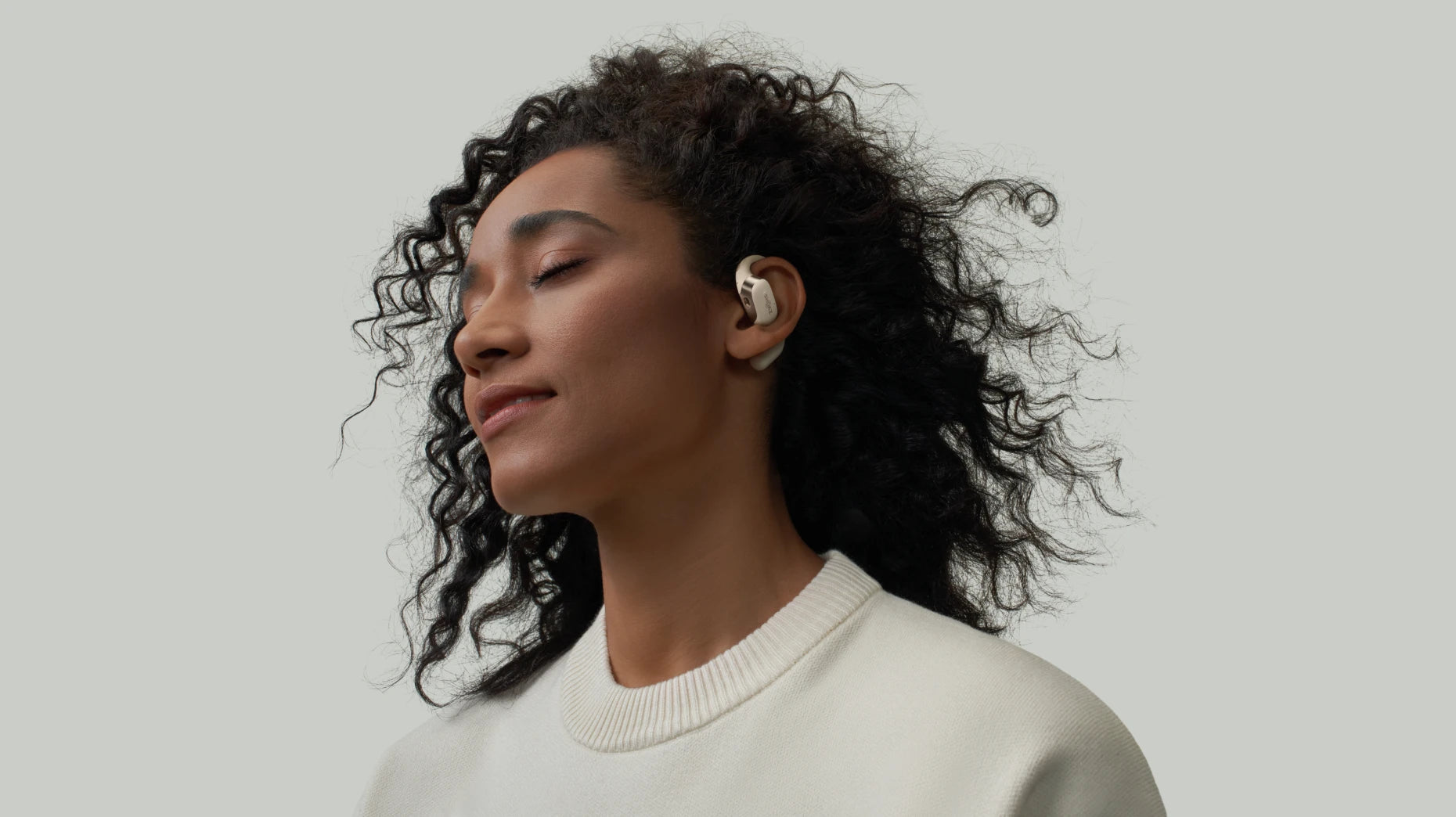
For everyday use, small-ear users want softness and zero pressure.OpenFit 2 uses a gentle open-ear design that fits naturally for music, calls, and casual listening.
Key Highlights (General Use):
Ultra-Soft Silicone™ 2.0: This gives you a soft, stable fit with zero pressure.
Dolby Audio: You get rich, immersive sound for movies and music.
40 Hours Total Playtime: This is a super long battery life when you factor in the charging case.
Multi-Point Pairing: It’s easy to switch between your phone, tablet, or computer.
Waterproof Earphones for Swimming
For swimmers with small ears, those loose in-ear buds can feel awful. OpenSwim Pro uses an open-ear design, and it has an underwater MP3 mode. This offers a stable and comfortable fit without blocking your ear canal.
Key Highlights:
IP68Waterproof: These ip68 rated headphones are totally safe for the pool and swimming on open water surfaces.
Secure Fit: The ear hooks and the headband stay put perfectly, even when you’re doing laps.
Comfort-Focused: The open-ear design stops water pressure or discomfort from happening.
Works with Swim Gear: They fit smoothly right under your swim cap and goggles
Earphones for Commuting
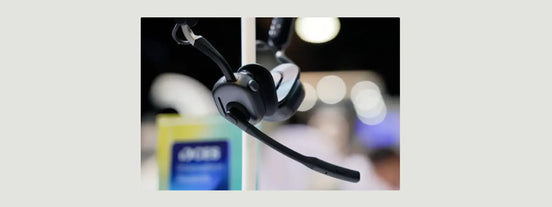
For commuters with smaller ears, long wear can cause pressure. OpenComm2 uses a light, open-ear frame that reduces tension and stays comfortable throughout the day.
Key Highlights:
Lightweight Build (35 g): Low pressure for long commutes.
Open-Ear Fit: Keeps ears ventilated and comfortable.
Clear Calls: DSP noise-canceling mic improves voice clarity in crowded areas.
Daily Durability: Bluetooth stability and IP55 resistance support everyday travel.
Comparison Table: Best Earphones for Small Ears
Finding the best small earphones means matching comfort and function to your lifestyle. Here’s how three top Shokz earbuds perform across different daily scenarios.
Model
Key Features
Best for Small-Ear Users
OpenSwim Pro
IP68 waterproof rating
Dual MP3 + Bluetooth modes
Ergonomic open-ear fit
Headband for active movement
Swimmers who want a non-intrusive device that prevents slipping
OpenComm 2 (2025 Upgrade)
Light 35 g build
Open-ear ventilation
Noise-canceling DSP microphone
IP55 splash resistance
Commuters with smaller ears who need long-term comfort, stability, and clear call quality.
OpenFit 2
Ultra-Soft Silicone Material
Dolby Audio
40 hours total playtime
Multi-point device pairing
Small-ear users seeking all-day comfort, balanced sound, and daily use.
Whether you’re in the water, out and about, or just doing your everyday routine, each of these models proves that comfort and performance really do go hand in hand. They are redefining what the best earbuds for small ears can actually deliver.
Important Things to Know When Buying Earphones for Small Ears
When you shop for earphones designed for small ears, size is only the first thing to check. You also need to look at features that affect real comfort, sound, and daily use in Canadian routines.
Battery Life
Battery life matters when you are out for long days. Look for at least 5–6 hours per charge and 18–24 hours with the case. This range works well for long commutes, study sessions on campus, or weekend errands around the city.
Bluetooth Stability
Stable Bluetooth is essential. Choose models that support the latest Bluetooth versions to reduce dropouts. This makes a big difference when you are moving between places like a café, the SkyTrain, or your office.
Connectivity
If you switch between your phone and laptop often, consider opting for multipoint Bluetooth headphones. This feature allows you to seamlessly switch between devices, whether you're on a Zoom call, listening to Spotify, or working on school tasks.
Material and Skin-Friendly Design
Sensitive ears need gentle materials. Choose earphones made with skin-friendly silicone or medical-grade finishes. These materials reduce irritation and feel better during long wear, especially in colder Canadian weather when skin can get dry.
Aesthetic Design
A compact design stays secure and looks clean. Small, low-profile earbuds are harder to knock loose when you’re wearing a toque, hood, or scarf in winter. They also sit more comfortably under glasses or sunglasses.
How to Test if Your Earphones Fit Small Ears Properly
Before committing, try these simple tests to confirm they truly work for small ears.
The 30-Minute Comfort Test
Wear the earphones for 30 minutes. Your ears should stay comfortable. If you feel pressure or pain, they are not the right fit. A good pair should feel natural, even during a long walk, commute, or study session.
The Pressure and Suction Sensitivity Test
Press the earbuds gently into your ear. If you feel strong suction or discomfort, you may be sensitive to in-ear pressure. In that case, consider open-ear or shallow-fit designs that sit outside the canal.
FAQs About Earphones for Small Ears
What are the best small earphones for sensitive ears?
Look for soft and small ear tips or open-ear models. These options avoid deep insertion and reduce pressure on the ear canal.
How do I travel with small earphones without losing them?
Always store them in the case. For extra safety, attach a small keychain or bright tag to the case. This helps when you travel or commute with lots of small items.
Can small earphones fit well with glasses or masks?
Yes. Low-profile designs or over-ear hooks work well with glasses and mask loops. They sit securely without rubbing your frames.
Choose earphones with secure ear fins or over-ear hooks. These designs stay steady during running, strength training, or cycling.
What’s the difference between small earphones and mini earbuds?
Small earphones focus on ergonomic fit and reduced pressure. Mini earbuds simply refer to a compact size. For true comfort, choose models made specifically for small ears.
Final Thoughts
Finding comfortable earphones for small ears is honestly easier than ever now. Modern audio designs aren't just focused on sound quality anymore; they’re really prioritizing genuine comfort and everyday practicality.
Small-ear users can finally enjoy a secure, pressure-free fit. We don't have to give up clarity or performance just because of our size. Whether you're riding Transit to work, working from home, hitting the gym, or just chilling on a quiet evening, the best earphones for small ears make your listening crystal clear, comfortable, and totally worry-free.
Author Information
NIKI Jane
NIKI Jane is a writer for Shokz. When not creating content, she’s usually out with her OpenRun Pro 2—cycling, hiking, and running wherever the road takes her.