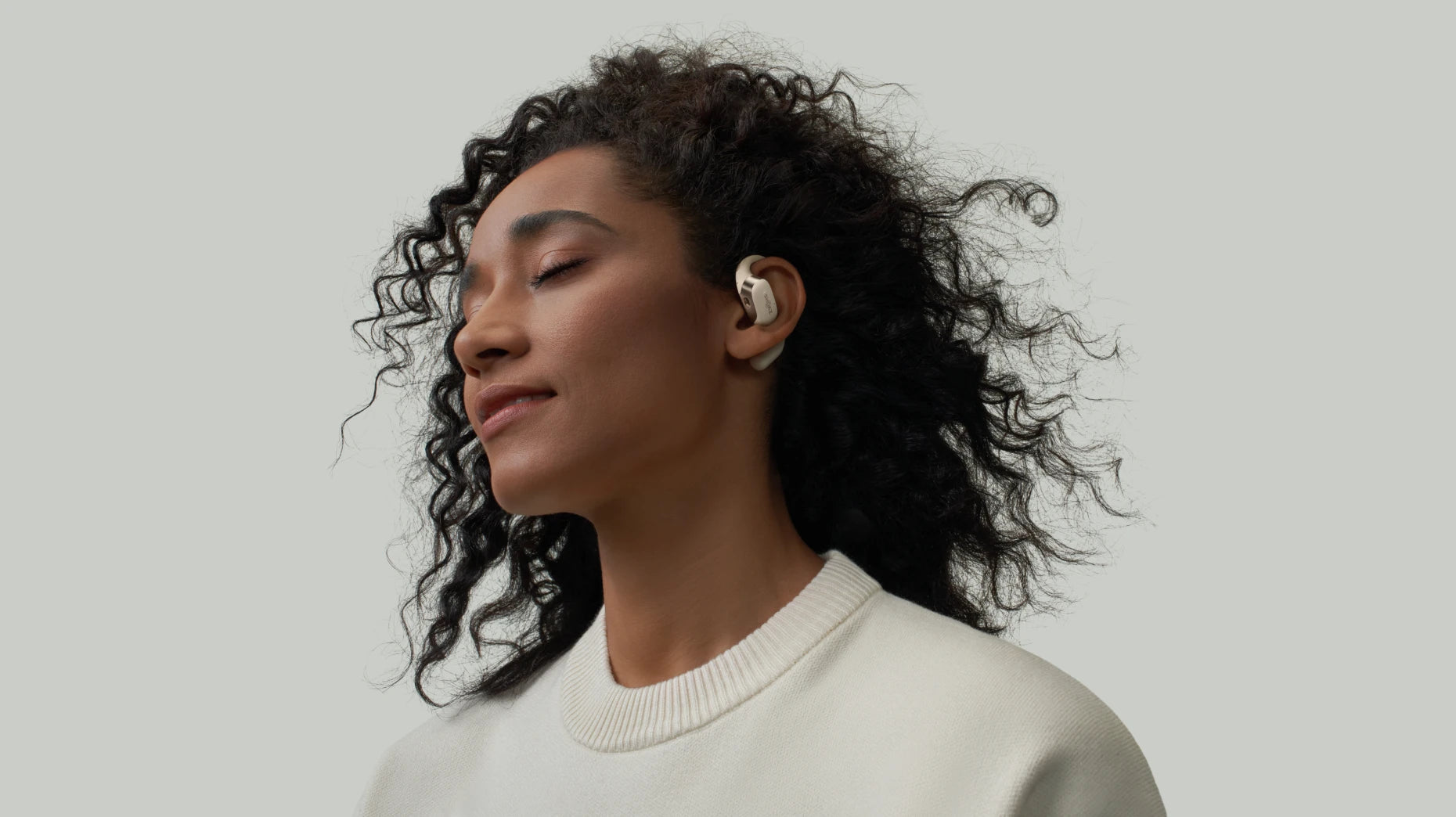
What is Dolby Atmos? A Guide to Immersive Sound
You've probably seen the logo pop up while scrolling through Netflix or looking at new soundbars. But really, what is Dolby Atmos? It is basically the end of that old-school surround sound where audio was tied to specific speaker channels. Instead of just hearing a movie, you are actually inside it. This quick guide skips the jargon and explains how this 3D audio setup fits into your home and why it makes your favourite films sound so much better.
Dolby Atmos Definition
Think of this as a total rethink of how we hear sound. Instead of just shoving audio into a "left" or "right" speaker, engineers now treat sound like a floating object. It isn't stuck in one spot anymore; it moves wherever it wants in a 3D space.
Core Technology Behind Dolby Atmos
The whole Dolby Atmos definition is built on these "audio objects." The sound is treated as individual objects that can move freely in a 3D space, above, around, and behind you. This lets the system place sounds precisely where they should be, creating a realistic and immersive audio.
Every single noise, whether it is a bee buzzing or a massive crack of thunder, is its own thing. The software tells your gear exactly where that sound needs to be at that exact millisecond. Because it includes height data, you actually hear things moving above your head, not just around you.
Applications of Dolby Atmos
This started in the big cinemas, but now it is pretty much everywhere. Most Hollywood hits use it to make the theatre feel massive, and it is a massive deal for gaming when you need to track exactly where an enemy is hiding. Even music producers are using it now, allowing them to adjust the reverb and placement of each instrument so you feel like you’re standing right in the middle of the studio while the band plays.
Key Advantages Over Traditional Audio
Comparing this to the old setups is like looking at a 3D map instead of a flat drawing. It completely changes how you experience a movie at home.
1. Immersive 3D Sound Experience
Old-school surround sound just puts a circle of audio around your chair. This tech turns that circle into a full dome. When a bird flies over in a movie, you don't just hear it move front to back; you actually hear it crossing the ceiling above your head.
2. Enhanced Clarity and Detail
Since every sound is its own "object," they don't get mushed together. This separation is a big deal for clarity. It means you can still hear someone whispering in the foreground even when the music is blaring.
3. Height and Spatial Awareness of Sound
Knowing exactly where a noise is coming from adds a layer of realism that used to be impossible. In a horror film, a creaking floorboard isn't just "off to the left." It sounds like it is right behind your shoulder. This is usually when people feel what a Dolby Atmos is, because the sense of "place" is so obvious.
4. Better Adaptation for Different Devices
The best part is how it scales to whatever you're using. If you have a massive 11.1.4 home theatre, the system uses every single speaker you've got. But if you're just on a phone, it uses clever tricks to simulate that same 3D space in your ears.
What Do You Need to Experience Dolby Atmos?
You don't need to rip apart your living room to get a better sound. It really just comes down to picking the right content and having the gear that supports it.
Look for the Logo: Finding Atmos Content
Most streaming apps keep this tucked away in their premium plans, so you just need to keep an eye out for that "double-D" logo next to the title. It is usually right there with the 4K and HDR tags.
-
Netflix & Disney+: You will find it on almost all their big 4K original series and your favourite blockbusters.
Hardware Options: From Home Theaters to Headphones
You’ve got a few ways to set this up. A full home theatre with speakers in the ceiling is the gold standard for creating that "bubble" of sound. But if you want something simpler, a soundbar with up-firing drivers works by bouncing audio off your ceiling. Even your wireless headphones can do it now through some clever internal processing.
You might wonder how tiny earphones can mimic a massive theatre. While a big room uses actual speakers all around you, headphones use software tricks to simulate a 3D sound environment.
How Headphones Create A 3D Sound Experience
Headphones use clever software techs to trick your brain into perceiving a sound coming from across the room. This process is often called “virtualization” or “spatial audio.” By tiny shifts in timing and frequency between your left and right ears, the tech mimics how we actually hear things in the real world. For example, if a sound comes from your left side, it will reach your left ear just a fraction of a second before the right ear, and it might be a little louder or clearer in that ear.
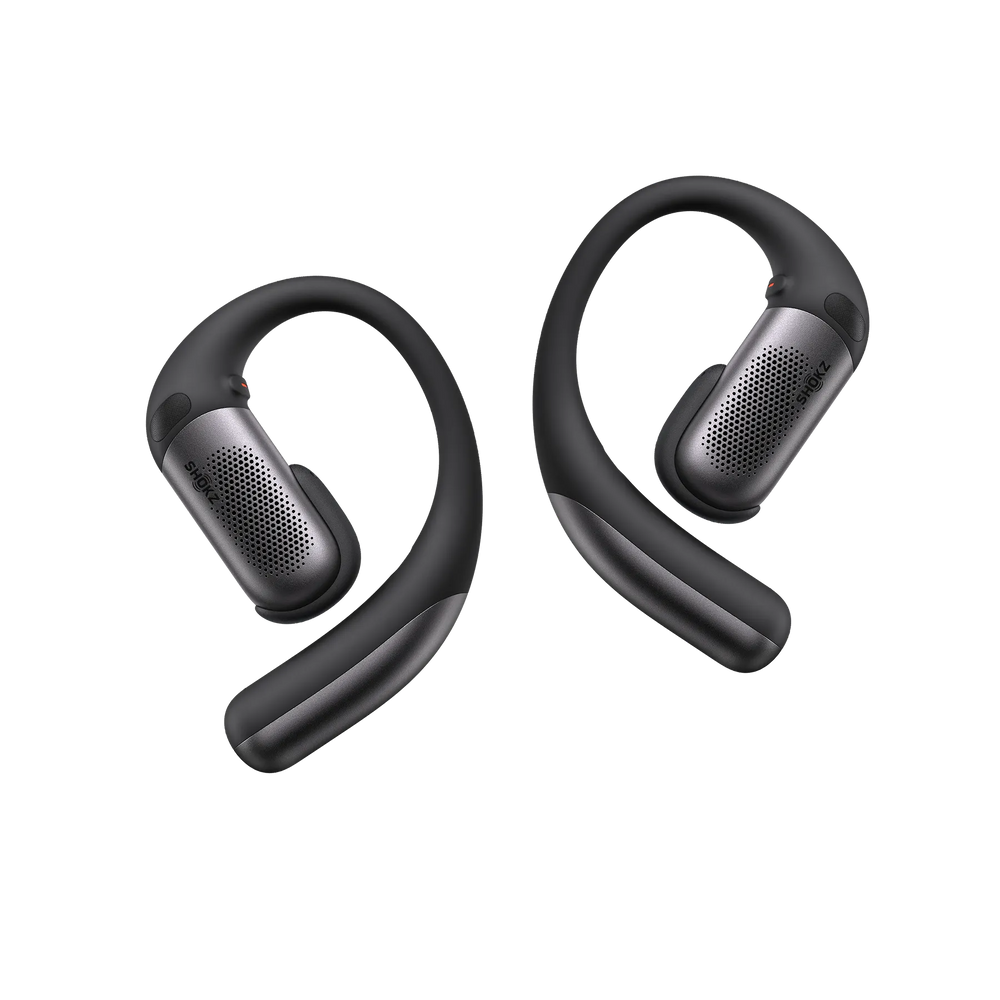
If you want to hear this sense of space for yourself, the OpenFit Pro is a solid shout. It handles Dolby Atmos content beautifully. It uses head-tracking technology, which detects how you move your head and adjusts the audio accordingly. This means if you turn your head to the right, the soundscape shifts naturally, just like it would in real life. The open-ear makes all these more natural and immersive. The sound doesn't feel stuck inside your head. Instead, the audio feels like it is moving through the air around you.
Common Misconceptions about Dolby Atmos
Even though the tech is everywhere now, there are still a few myths kicking around. Let’s set the record straight on a few of them.
Dolby Atmos Only for Movies
A lot of people think this is just for big Hollywood hits, but it is actually massive for gaming and music. In a shooter, it gives you a proper edge by letting you hear exactly where an enemy is hiding. Plus, when using dedicated headphones for music, it feels like you're standing right in the front row at a live gig with the band all around you.
Need Expensive Equipment for Dolby Atmos
While more speakers obviously help, you don't need to spend a fortune anymore. Even mid-range laptops and affordable soundbars can handle the format now through software tricks. You can get that spatial sound feeling without dropping thousands on a professional cinema room or messy wiring.
Dolby Atmos Only for Home Theaters
People usually assume this is a living room feature, but mobile devices are actually one of the biggest ways people use it. Most manufacturers build the tech right into their mobile chips now. This means you can get that full 3D soundstage on your tablet or phone while you’re commuting or travelling.
FAQ
1. How many speakers are needed for Dolby Atmos?
A basic home setup usually kicks off at 5.1.2. That is eight speakers total. You’ve got your 5 standard surround speakers, 1 sub, and 2 height speakers at the end. You can go all the way up to 34 speakers for a massive home cinema, but 5.1.2 is the sweet spot for a normal living room. It’s enough to present a rich, immersive audio environment.
2. What is the difference between Dolby Atmos and normal sound?
Normal audio is channel-based, so it just pans left or right like a flat image. Atmos is object-based. This means sound moves freely in a 3D space. Instead of a bird just flying from one speaker to the next, it actually sounds like it is flying through the room.
3. Do I need special speakers for Dolby Atmos?
Not always. You can get Atmos-enabled speakers that bounce sound off your ceiling, or just use regular headphones if your gear has the right software. Still, if you want the best possible feel, getting dedicated height speakers is the way to go.
4. Are soundbars better than home theater?
For an ultimate sound experience, probably not. A proper home theatre with separate speakers will always give you a better 3D bubble. However, that said, soundbars are way easier to set up and save a ton of space. The newer ones are actually getting surprisingly good at faking a full room setup.
5. Can I add Dolby Atmos to my existing sound system?
As long as your receiver handles the format, you are good to go. You can usually just add two height speakers or some up-firing modules to your current 5.1 gear. There is no need to bin your old speakers as long as the receiver can decode the signal.
Conclusion
Exploring what is Dolby Atmos shows the significant progress made in modern audio engineering. This technology provides creators with the precision to place listeners directly within a soundstage. Regardless of whether the setup involves a high-end home theatre or a pair of open-ear headphones, the result is a much more lifelike experience. Selecting compatible hardware and content is all that is required to shift from traditional listening to a fully immersive spatial journey.
Author Information

guides on Shokz
Related Posts