It looks like you are visiting the United States of America website from Canada. Since we don't
ship orders from United States of America to Canada, please visit your local Shokz website.
How to Qualify for The Boston Marathon and Preparation Advice
8 min
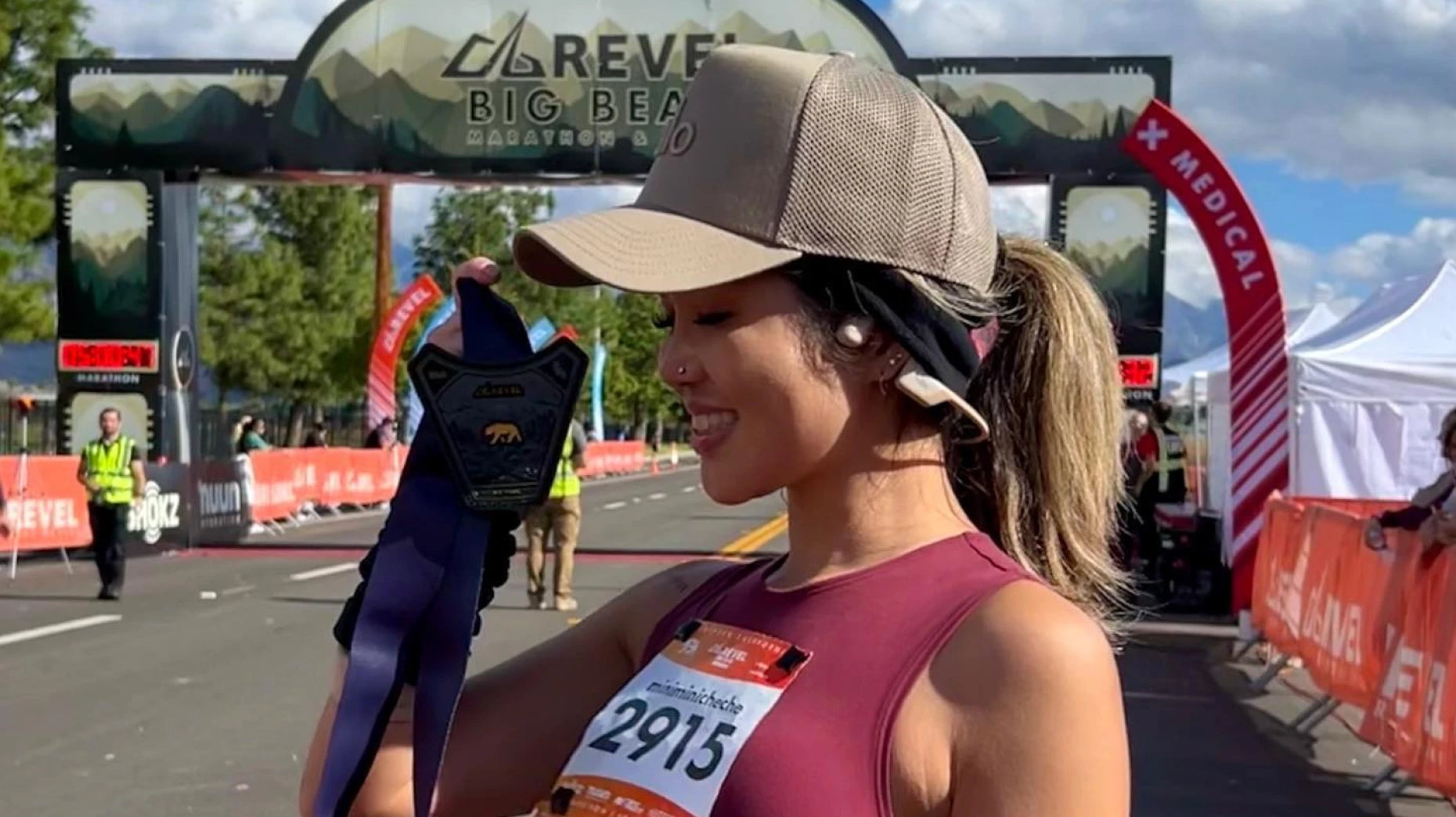
Earning the iconic unicorn medal is the ultimate dream for everyday marathoners. But figuring out exactly how to qualify for the Boston Marathon takes serious, long-term planning rather than luck.
With the April 2026 race just around the corner, this guide is designed for every stage of the BQ journey. Whether you are finalizing your mental prep for next month's start line or building a 20-week training blueprint for a 2027 qualifying bid, we break down the current BQ standards, crucial training phases, and race-day strategies you need to succeed.
How Do You Qualify for The Boston Marathon?
Understanding the Boston Marathon requirements is your first step. The Boston Athletic Association (B.A.A.) sets strict qualifying time standards based on age and gender.
Determine Your BQ Standards
To qualify, you must run a certified marathon within a specific time limit for your age group, known as a Boston Qualifier (BQ). The B.A.A. periodically updates these thresholds based on field sizes. The stricter boston marathon qualifying times 2026 serve as the current standard and the best reference point if you are aiming for future races:
Age Group
Men
Women
Non-Binary
18–34
2:55:00
3:25:00
3:25:00
35–39
3:00:00
3:30:00
3:30:00
40–44
3:05:00
3:35:00
3:35:00
45–49
3:15:00
3:45:00
3:45:00
50–54
3:20:00
3:50:00
3:50:00
(Note: Times increase for older age groups. Always check the official B.A.A. website for the complete list.)
Crucial Warning: Achieving the BQ time only gets you a spot in line. Due to field size limits, runners who beat their qualifying time by a larger margin are accepted first. To be safe, your target finish time should include a buffer of at least 3 to 5 minutes faster than your age group standard.
Choose A Qualifying Race
Not every marathon counts as a qualifier. You need to select a race on a USATF-certified (or AIMS-certified internationally) fast course.
Flat and Fast: Look for races known for personal records and high qualification rates, such as the Chicago Marathon or the Berlin Marathon.
Course Analysis: Before registering, analyze the course profile. Look for minimal elevation changes, fewer sharp turns, and historically favorable weather conditions.
How to Prepare for a Marathon: The Boston-Specific Plan
Training Phase (Timeline)
Primary Goal
Key Actions & Strategies
Phase 1: Base Endurance
(16-20 Weeks Out)
Safely build weekly mileage to increase aerobic capacity.
Pacing Strategy: Run 80% of your weekly miles at a conversational pace (typically 60-90 secs slower per mile than your BQ pace).
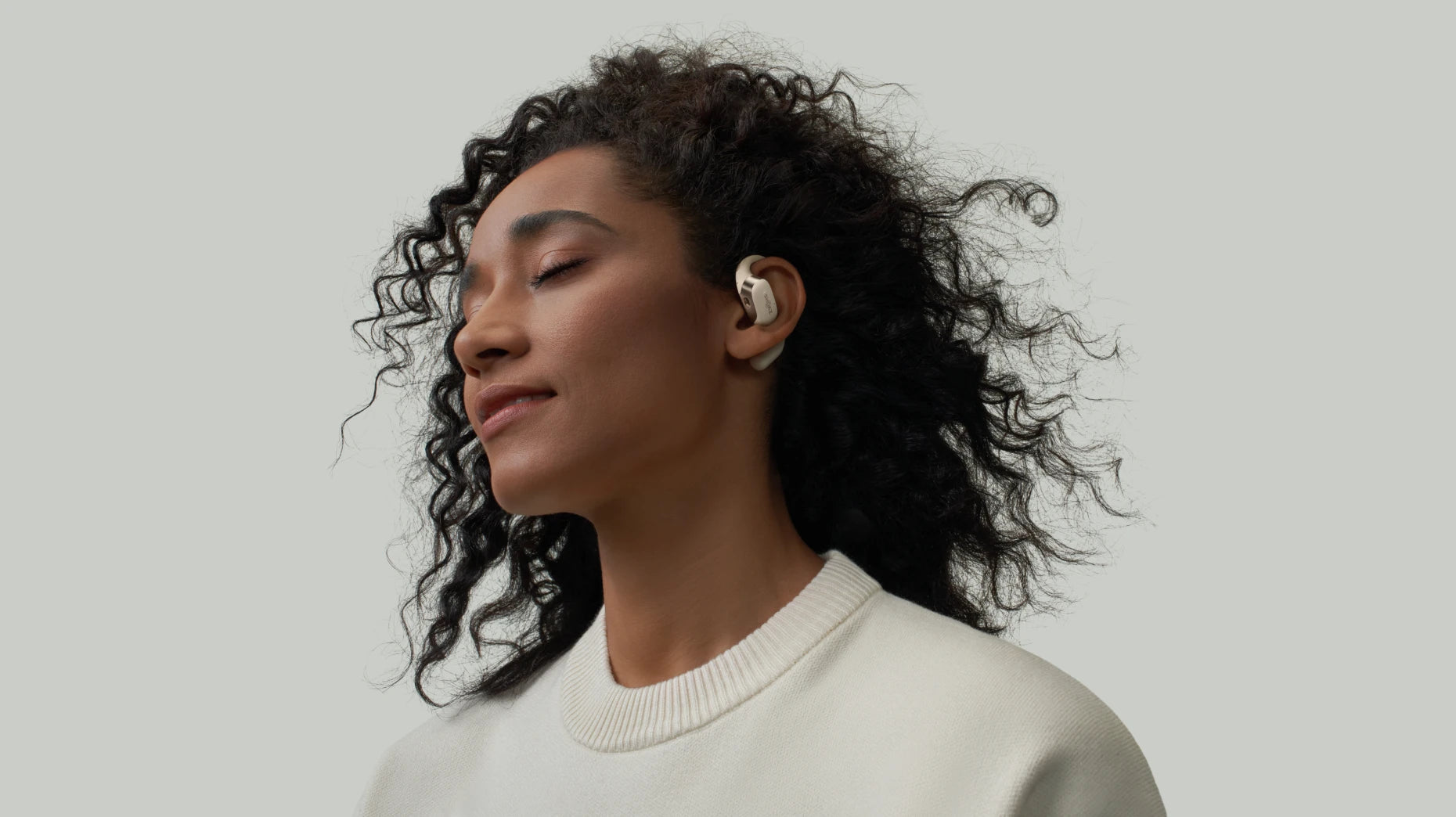
Focus & Safety: For draining 2-to-3-hour LSD runs, sync your stride to a BPM playlist. Use open-ear headphones like the Shokz OpenRun Pro 2. Its 10th-Gen DualPitch™ technology delivers deep bass to lock in your pace, while keeping your ears unblocked to safely hear traffic.
Phase 2: Intensity Build
(8-12 Weeks Out)
Introduce race-specific stress to master Boston's notoriously net-downhill profile.
Downhill Repeats: Find a 400-800m hill. Run down at target marathon pace to condition your quads, jog up to recover. Repeat 4-6 times. (Integrating specific training tips for a downhill marathon is highly recommended).
Fast-Finish Long Runs: On an 18-mile run, go easy for 13 miles, then push the final 5 miles exactly at BQ pace to simulate Newton Hills fatigue.
Phase 3: Tapering
(2-3 Weeks Out)
Strictly reduce training volume while maintaining your speed.
Volume Reduction: Cut peak weekly mileage by 20-25% (3 weeks out), then 40% (2 weeks out). Run at a very light volume on race week.
Keep Legs Snappy: Include short "strides" (quick 20-second accelerations) at the end of easy runs.
Nutrition: Shift to a 70% carbohydrate diet 3 days before race day to maximize glycogen.
Pre-Race and In-Race Psychological Guide
Surviving the 26.2 miles from Hopkinton to Boylston Street takes more than just strong legs; it requires an unbreakable mindset. Here is your quick psychological playbook to conquer pre-race anxiety and Boston's notoriously deceptive course:
Phase
Core Challenge
Strategy & Mantra
Pre-Race: Training
Missed workouts or slow runs due to bad weather.
Accept Imperfection: Consistency matters more than one bad day.
Enjoy: Let the roaring crowds carry you down Boylston Street.
FAQ
Q1: Can I run the Boston Marathon without a qualifying time?
A: Yes. Runners who do not meet the Boston Qualifying (BQ) standard can secure a bib by applying for one of the B.A.A.’s Official Charity Programmes. This pathway requires a commitment to raise a minimum amount of funds for an approved non-profit organization. It is a popular option for those looking to combine their athletic goals with community impact.
Q2: What is the qualifying window for the Boston Marathon?
A: The qualifying window typically spans approximately one year before the registration period. For example, the window for the 2026 race ran from September 1, 2024, through mid-September 2025. If you are targeting the 2027 Boston Marathon or future races, we recommend checking the official B.A.A. website regularly for the exact opening and closing dates of the next qualifying period.
Q3: When does registration for the Boston Marathon usually open?
A: Registration generally takes place in early to mid-September of the year prior to the race. The B.A.A. typically announces the exact dates and the rolling admission schedule (based on how much faster you ran than your qualifying standard) a few months in advance.
Conclusion
Earning your way to Hopkinton is a testament to your dedication. By understanding the qualifying standards, choosing the right race, executing a scientific training plan, and building a resilient mindset, you turn the dream of running Boston into an achievable goal. Since months of preparation require long hours on the road, staying aware of your surroundings is essential. Incorporating Shokz open-ear headphonesinto your routine helps you stay motivated with audio while training safely. Stay consistent, and trust the process on your journey to Boylston Street.
Disclaimer: The qualifying standards, dates, and race policies mentioned in this guide reference information from the Boston Athletic Association (B.A.A.) and are for general guidance only. Since marathon rules and event logistics can change, please always check the official B.A.A. website for the latest and most accurate updates before finalizing any training or travel plans.
Author Information
NIKI Jane
NIKI Jane is a writer for Shokz. When not creating content, she’s usually out with her OpenRun Pro 2—cycling, hiking, and running wherever the road takes her.