2026 Boston Marathon: Essential Spectator Guide and Where to Watch
The atmosphere surrounding the 130th Boston Marathon in 2026 is already building anticipation. Held annually on Patriots' Day, this event stands as the world's oldest annual marathon—evolving from just 15 runners in 1897 into a global celebration of endurance, community, and sheer energy. Whether you are a local resident navigating the marathon weekend, a tourist soaking in the historic vibes, or a dedicated supporter cheering your loved ones from the sidelines, this comprehensive spectator guide provides all the essential information you need to experience race day to the fullest.
What Are New Changes for The 2026 Boston Marathon
Before diving into what is new, here are the foundational logistics for the 130th edition:
-
Date: Monday, April 20, 2026 (Patriots' Day).
-
Distance & Route: 26.2 miles (42.195 km), running point-to-point from Hopkinton to downtown Boston.
With the basics established, it is time to explore what makes this year different. According to the B.A.A., the 2026 race introduces several structural changes to improve crowd control and the overall experience:
-
Six Wave Start: The race now features six start waves (instead of the traditional four), ranging from 3,200 to 7,100 athletes each. This expansion significantly reduces congestion on buses and at the Athletes' Village.
-
New Corral Routes: Runners will now follow specific assigned paths to the Hopkinton start line. Corrals 1-4 must use Maple and Church Street, while Corrals 5-8 will route through Grove Street, ensuring smoother foot traffic for everyone.
-
Stricter BQ Standards: Qualifying time thresholds are noticeably tighter for 2026. For example, the new baseline for ages 18-34 is now 2:55:00 for men and 3:25:00 for women.
The Full and Quick Visitor's Guide to the 2026 Boston Marathon
Whether you are navigating the crowds or finding a spot to cheer, planning ahead is crucial. You can find general city information through the Boston Discovery Guide.
Exploring The Route: Map for Boston Marathon
The course is a famous point-to-point route, starting in the suburban town of Hopkinton and finishing on Boylston Street in downtown Boston. Because it is a notoriously challenging downhill marathon, reviewing a detailed map for the Boston Marathon helps you understand the punishing elevation changes, notably the Newton Hills, which culminate in the infamous Heartbreak Hill around mile 20.
Official Start Times by Division
With the new six-wave system, the start schedule for April 20, 2026, is staggered as follows:
|
Division / Category |
Start Time (a.m.) |
|
Wheelchair Men |
9:06 |
|
Wheelchair Women |
9:09 |
|
Handcycles / Duos |
9:30 |
|
Professional Men |
9:37 |
|
Professional Women |
9:47 |
|
Para Athletics |
9:50 |
|
Wave 1 |
10:00 |
|
Wave 2 |
10:15 |
|
Wave 3 |
10:28 |
|
Wave 4 |
10:41 |
|
Wave 5 |
11:01 |
|
Wave 6 |
11:21 |
Six Pro Tips for A Seamless Spectator Experience
1. The "Double-Dip" Transit Strategy:
You can often catch your runner twice if you map your MBTA route effectively.
Action: Watch them pass near Wellesley (using the Framingham/Worcester commuter line), then immediately take the inbound train to Kenmore Station to catch them again near Mile 25.
2. Factor in the Tracking App's "Mat Delay":
The official B.A.A. app relies on timing mats placed every 5K, not live GPS, which usually creates a tracking lag.
Action: Start visually scanning the crowd 3 to 5 minutes before the app predicts your runner will arrive at your specific mile marker.
3. Master Smartphone Action Shots:
Capturing a fast-moving runner sharply on a phone is difficult without prior planning.
Action: As your runner approaches, tap and hold on their image on your screen to lock focus and exposure. When they pass, use Burst Mode (spray and pray) so you can select the single best stride later, and try getting down low on the curb for a more dynamic angle.
4. Plan Around Strategic Station Closures:
Navigating downtown requires knowing which subway stops are inaccessible.
Action: Plan your walking route assuming Copley Station will be closed for security, and Arlington Station may be exit-only. Kenmore or Hynes Convention Center are often safer bets for disembarking.
5. Utilize the Alphabetized Meeting Zone:
Post-race cell service frequently experiences severe network congestion.
Action: Instead of vague locations, pre-arrange to meet your runner at the official Family Meeting Area (Stuart and Clarendon Streets), specifically under the sign corresponding to the first letter of their last name.
6. Layer Race Broadcasts with Crowd Awareness:
Monitoring elite finishes or weather updates is helpful, but situational awareness in a crowd of 500,000 is vital.
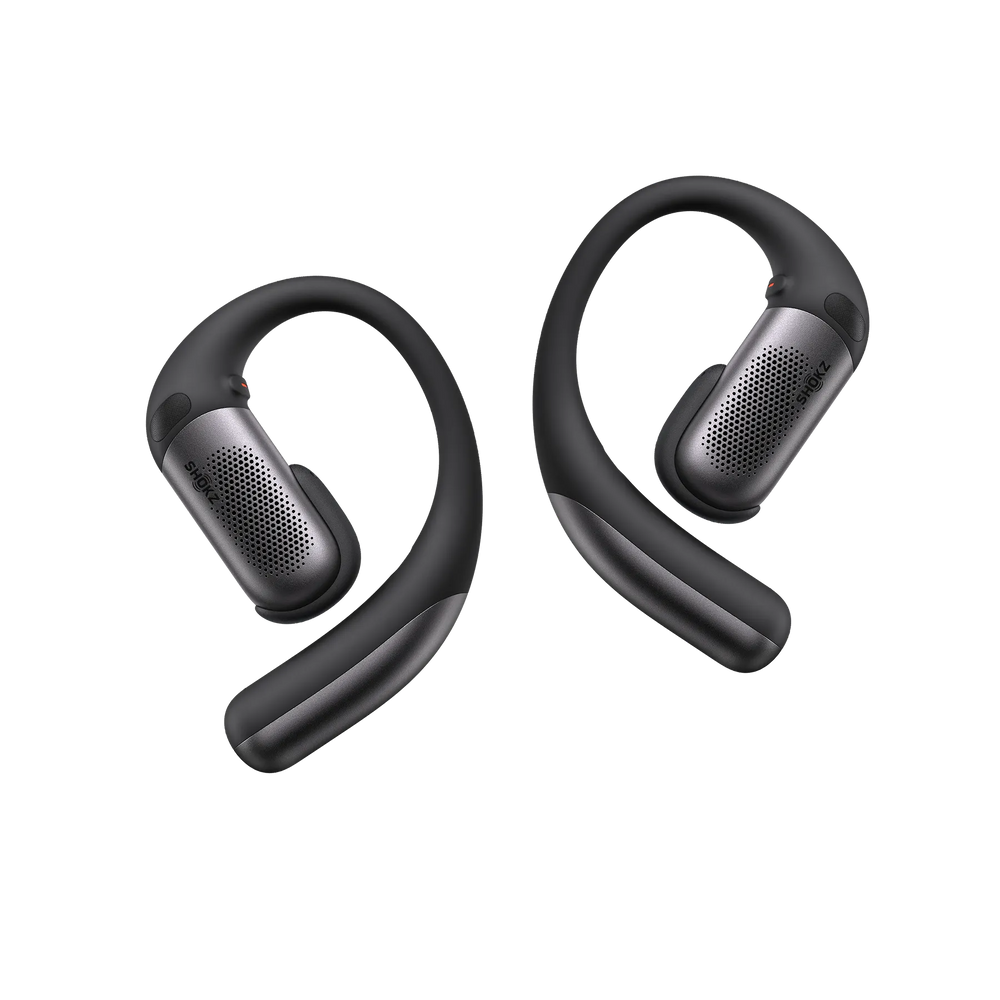
Action: Use open-ear headphones like Shokz OpenFit Pro to listen to the WCVB live audio feed while keeping your ears unblocked for police directions and emergency vehicles.
FAQ
Q1: Can I run alongside a participant or hand them personal water/snacks?
A: No. The B.A.A. strictly prohibits unofficial pacing or joining the course to run with participants at any point. Additionally, handing runners personal hydration, food, or gear from the sidelines is against the rules and can result in the athlete’s disqualification. We recommend that all participants rely solely on the official aid stations situated along the route to ensure a fair and safe race for everyone.
Q2: Are dogs or other pets allowed in the spectator viewing areas?
A: The B.A.A. strongly discourages bringing pets to the marathon, particularly in high-traffic zones like Wellesley or the Boylston Street finish line. While officially recognized service animals are permitted, the dense crowds, loud environment, and limited space often make the event stressful and unsafe for pets. For the comfort of your furry friends and fellow spectators, it is best to leave pets at home.
Q3: What is the policy on bringing strollers to the finish line?
A: Security protocols are very strict near the downtown Boston finish area. While strollers are permitted along the earlier, less-congested sections of the course, they are prohibited within secured viewing zones, checkpoints, and bleachers near Boylston Street. Families travelling with small children typically enjoy a much better experience in the towns along the first half of the route, where there is more space to move comfortably.
Conclusion
The 2026 Boston Marathon promises a memorable display of athletic grit. Proper planning—from wave schedules to transit—ensures a smooth Patriots' Day. Beyond the finish line, this iconic race often inspires a lasting commitment to sports and health. Whether you are tracking the elites or cheering for family, integrating open-ear audio like Shokz keeps you motivated and safely aware of your surroundings. Enjoy witnessing history on Boylston Street!
Author Information

guides on Shokz
Related Posts