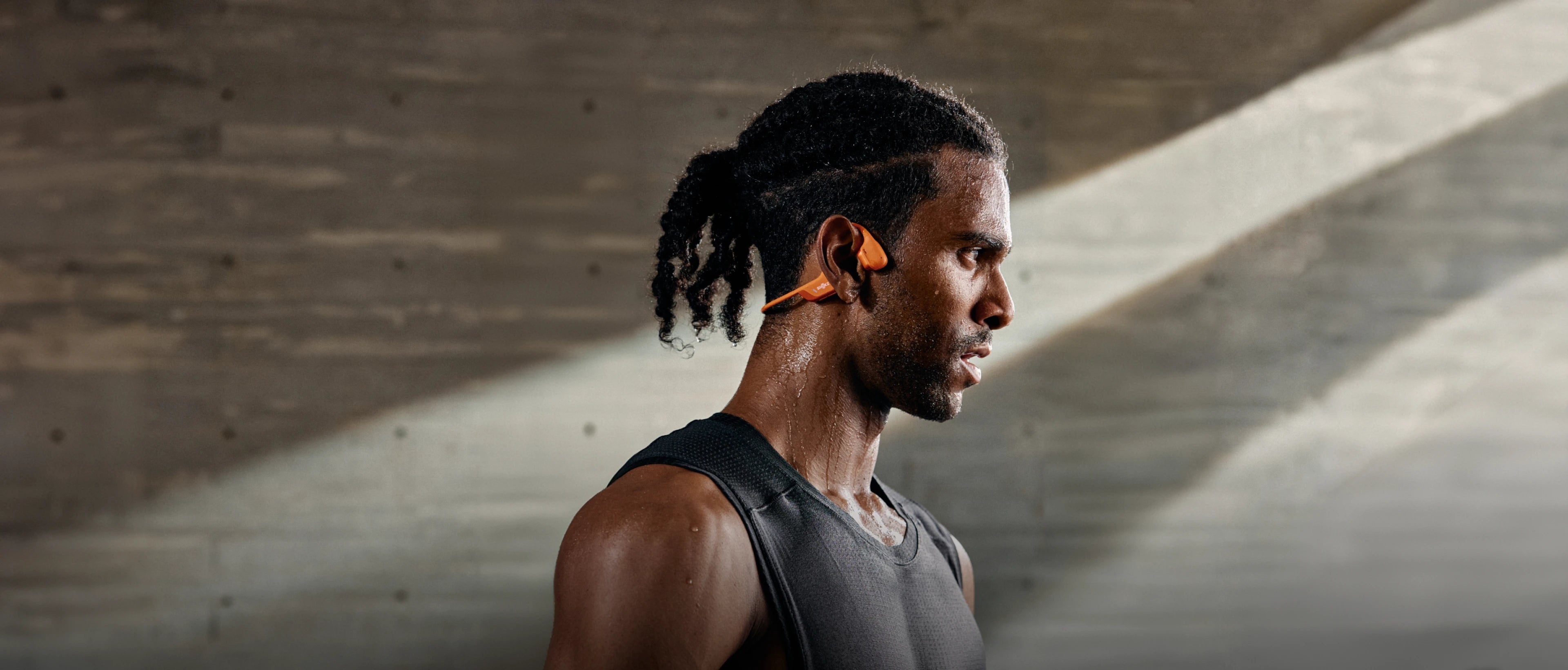
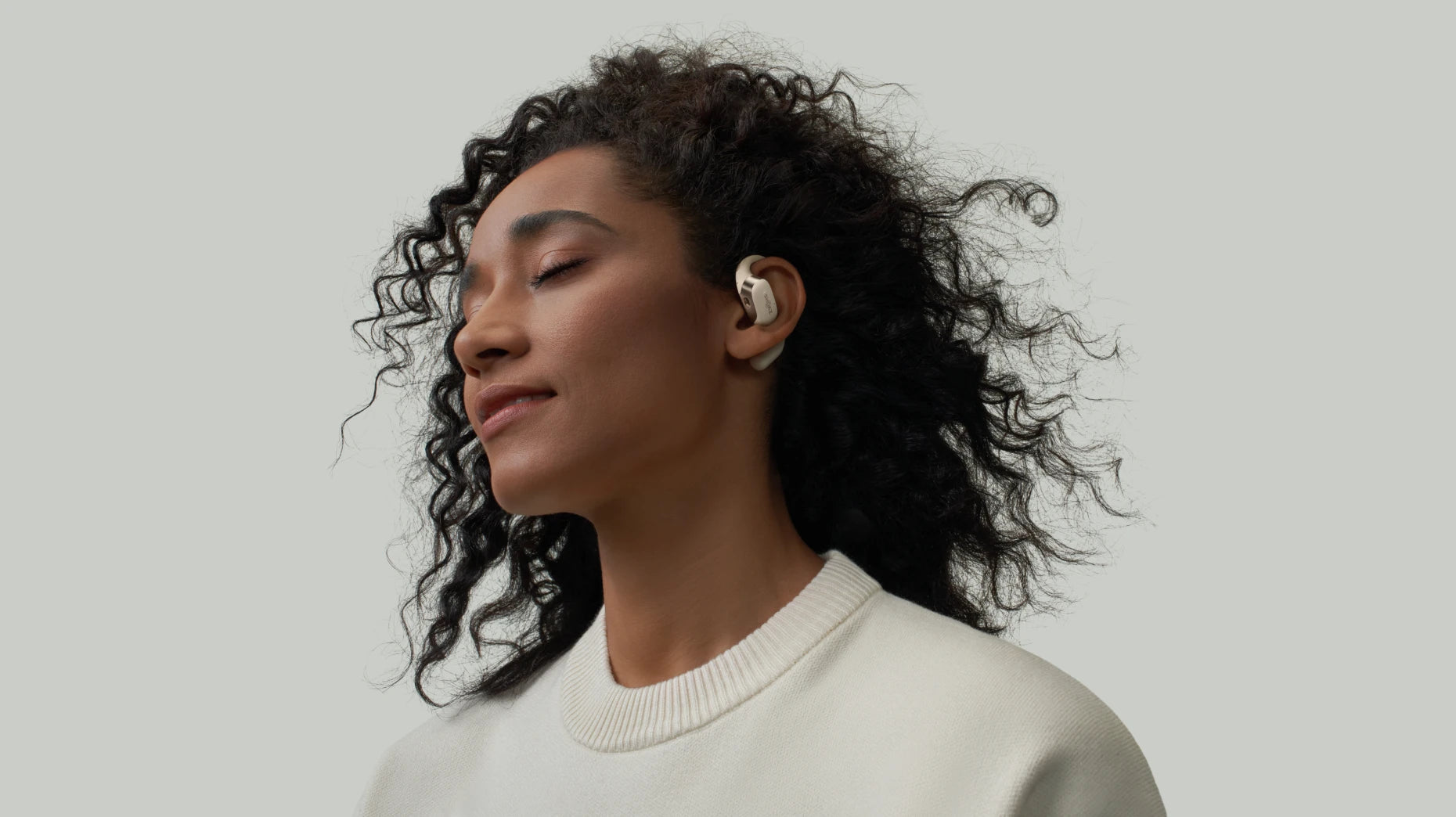
Earhook vs. Clip-On: Which Is More Comfortable for Marathons?
As hours of sweating and repetitive motion leave your skin hypersensitive, headphone comfort becomes just as critical as your pacing. For marathon runners, this poses a common dilemma: do you rely on the classic security of an earhook design, or opt for the lightweight, minimal profile of a clip-on?
How do these two styles actually hold up against the physical demands of long-distance running? We've compared their stability and skin-contact mechanics to help you choose the right fit for your next race.
Earhook vs. Clip-On: Which Is Better for Long-Distance Runs?
The Bottom Line
-
Clip-On Earbuds: Best for zero-pressure comfort during long runs (especially if you wear glasses or running shades).
-
Earhook Headphones: Best for locked-in stability during speedwork and on aggressive terrain.
Here is how both styles handle extreme physical demands:
| Feature | Earhook Design | Clip-On Design |
| Weight Distribution | Spreads weight across the top and back of the ear. | Pinches lightly onto the outer ear cartilage (helix or lobe). |
| Contact Surface | Higher. Rests along a larger curve of the skin. | Lower. Relies on small, localized contact points. |
| Stability Under Impact | Extremely high. Physically hooks over the ear for a locked-in fit. | Moderate to high. Relies on clamping force and ear shape. |
| Sweat Management | Higher friction risk due to the larger contact area. | Lower friction risk, though heavy sweating might cause minor slipping if not fitted properly. |
| Fatigue Accumulation | Can become noticeable after 2+ hours, particularly with glasses. | Minimal. Maintains a "barely there" feeling, even past the 30-kilometre mark. |
How to Choose Between Earhooks and Clip-Ons for Your Runs
If you are torn between the two, keep in mind that neither design is inherently better—it all comes down to your personal preferences and running style. Use the breakdown below to find the perfect match for your long-distance efforts:
Who Should Run with Clip-On Earbuds?
Clip-on designs are all about minimizing physical contact. This makes them your go-to option if you:
-
Sweat heavily and struggle with chafing behind the ear.
-
Have easily irritated ear cartilage.
-
Log high-kilometre days (3 to 4+ hours on the road).
-
Wear running sunglasses or prescription glasses.
"If you have glasses I can imagine that the extra weight on the top of your ears would probably start to wear on your skin after a couple [of] hours." — Reddit User
A Pressure-Free Solution for Long Distances
If pressure-free comfort is your priority, you need gear that breathes. Built with marathon comfort in mind, the Shokz OpenDots 2 clip-on earbuds tackle this by using a flexible memory alloy and soft silicone to clip gently onto the outer edge of your ear. This ultra-minimal contact area helps keep your skin dry, significantly reducing the late-race chafing often caused by traditional designs.
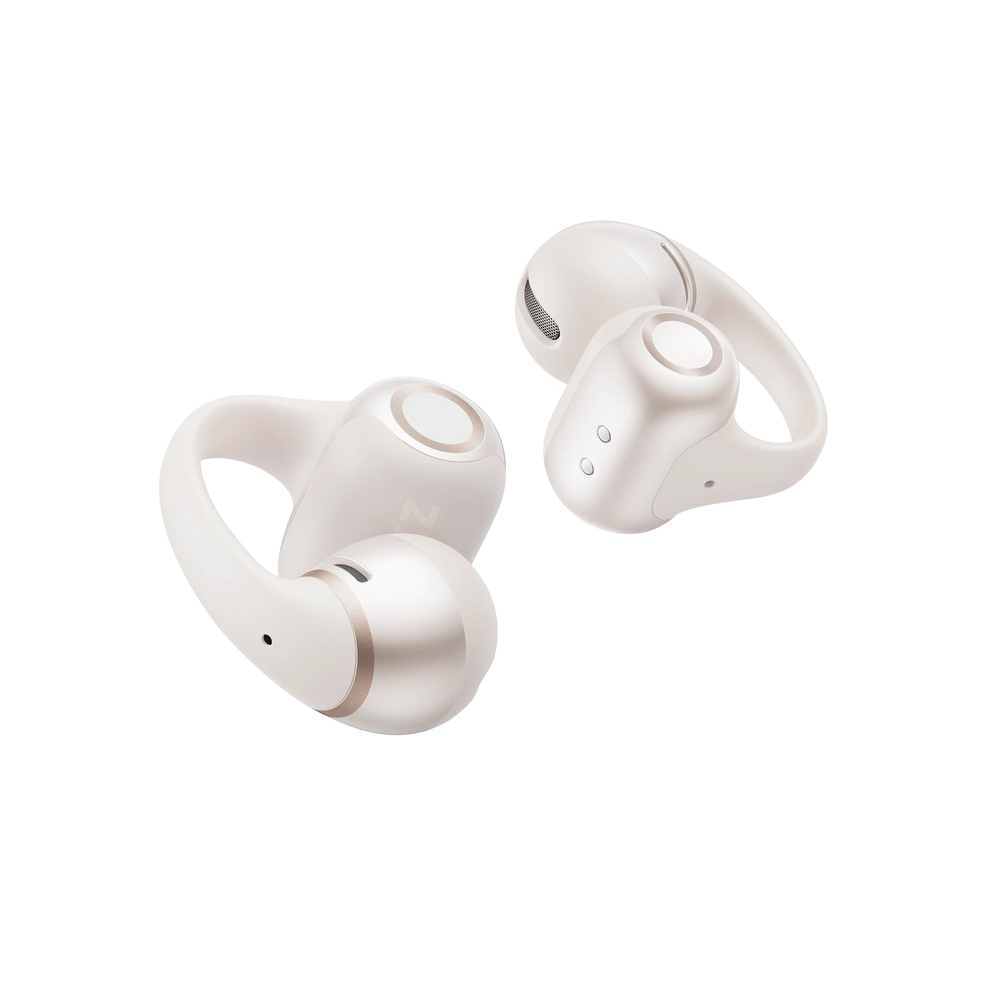
"Battery life is good. Super comfortable, loud and I can still hear my surroundings." — Shokz Official Review
When to Choose the Secure Fit of Earhooks
While clip-ons prioritize a weightless feel, earhooks are built for security. This remains the gold standard if your training involves:
-
High-intensity intervals or sprints with explosive head movement.
-
Technical trail running or uneven terrain that causes significant vertical bounce.
-
Vigorous arm swings that might accidentally brush against smaller earbuds.
-
Unique ear shapes that require a more customized, wrap-around fit.
"I tried the [competitor clip-on] and it was too loose. I have very small ears and I need a tight fit for what I’m doing." — Reddit User
The Hardware Solution for Absolute Stability
To achieve top-tier stability without sacrificing comfort, the Shokz OpenFit Pro uses a flexible titanium frame wrapped in Ultra-Soft Silicone™. Unlike the rigid plastic hooks of the past, this ergonomic shape contours to the back of the ear, ensuring the buds won’t shift during heavy foot strikes or fast-paced intervals.
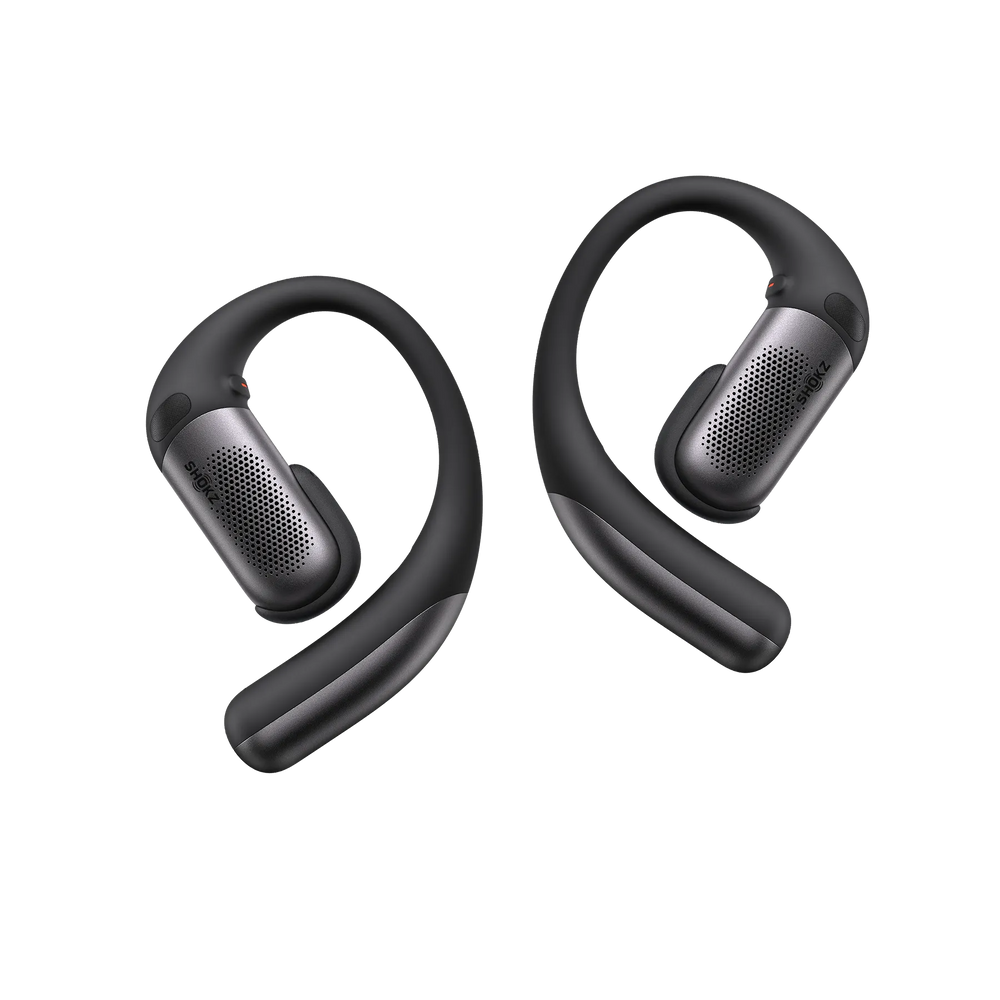
"They are the most comfortable headphones I've ever worn, and they stay comfortable even during extended use." — Shokz Official Review
Mastering the Open-Ear Fit: How to Prevent Ear Pain When Running
Even with the best gear, running for hours requires a proper fit. Here are the key steps to prevent ear pain:
Minimize Pressure Hotspots: Rotate and adjust the angle of the earbuds to ensure weight isn't concentrated in a single spot. Find a neutral position where the headphone feels essentially weightless.
Keep Your Ears Dry to Reduce Friction: Wipe your ears before putting your headphones on. For long runs, apply a thin layer of anti-chafe balm (like petroleum jelly) to high-friction areas, such as the top of the ear, to stop irritation before it starts.
Choose Breathable, Low-Contact Designs: Opt for open-ear designs with minimal surface contact. This keeps the skin dry and avoids the humid environment that leads to chafing.
Reduce Micro-Movements: Ensure your headphones are secure before you start running. Constantly adjusting them mid-run creates repetitive micro-movements, which can act like sandpaper on sweaty skin.
FAQ
Q1: Will clip-on headphones fall off if I sprint or do speedwork?
A: High-quality clip-ons are designed with optimized clamping force to stay secure during standard runs. However, for explosive sprinting, HIIT workouts, or aggressive trail running, an earhook design inherently provides a better mechanical lockdown.
Q2: How do I wear clip-on earbuds for maximum running comfort?
A: Position the clip on the middle of your outer ear—not the earlobe—ensuring it feels snug but isn't pinching. If you wear glasses, put your earbuds on first so they sit flush against your skin. A quick "shake test" or warm-up jog can help you fine-tune the angle. Wiping away excess sweat or sunscreen before clipping them on will also help prevent slipping during high-intensity intervals.
Q3: Are open-ear designs loud enough for busy city marathons?
A: Yes. Modern open-ear headphones use directional audio to beam sound waves directly into your ear canal. This tech ensures your music remains clear and private, while still allowing you to maintain the situational awareness needed to hear traffic and cheering crowds safely.
Conclusion
Surviving a marathon means eliminating every possible source of physical distraction—and ear pain shouldn't be one of them. If your goal is zero-pressure comfort, especially for long hours on the road, the low-contact clip-on design is your best ally. Conversely, if you prioritize hard efforts and absolute locked-in stability, the earhook design remains the champion. Explore the full range of Shokz sports headphones to find the perfect fit that lets you focus entirely on the finish line.
Author Information

guides on Shokz
Related Posts