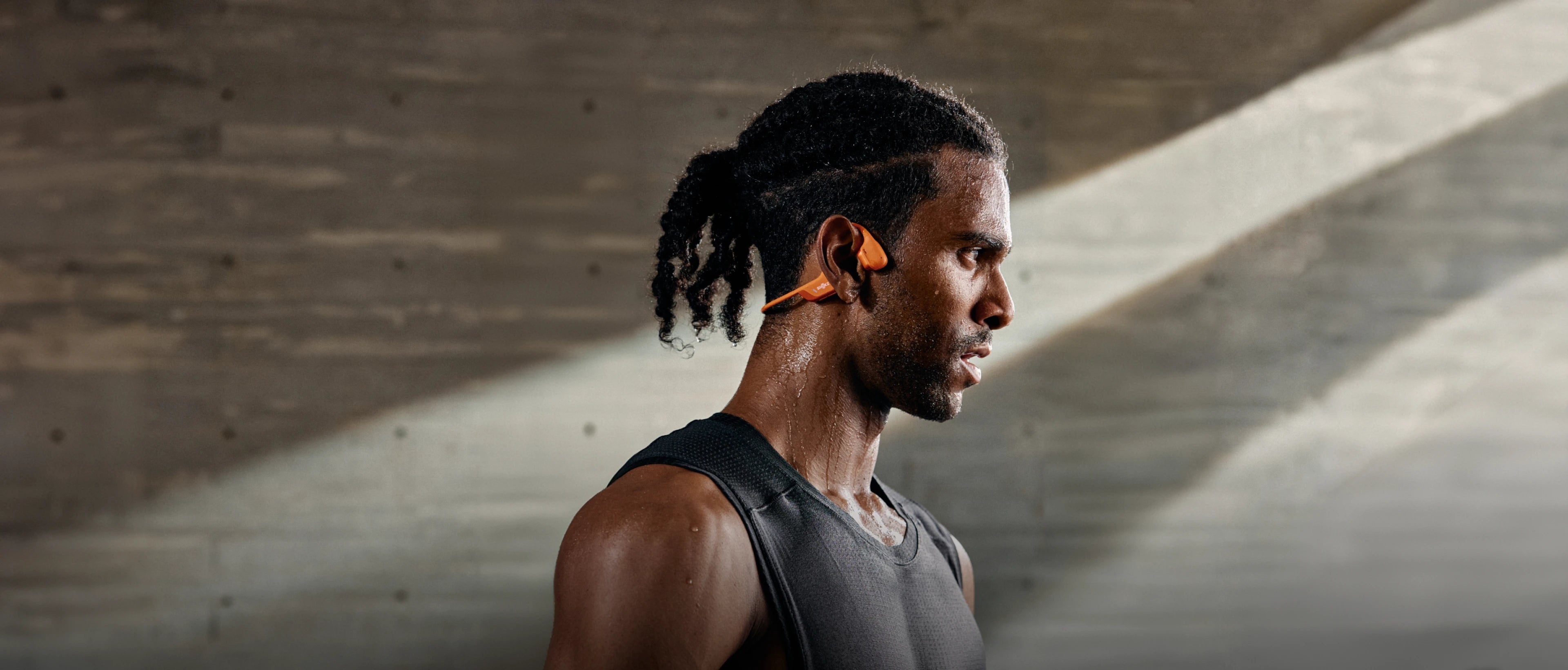
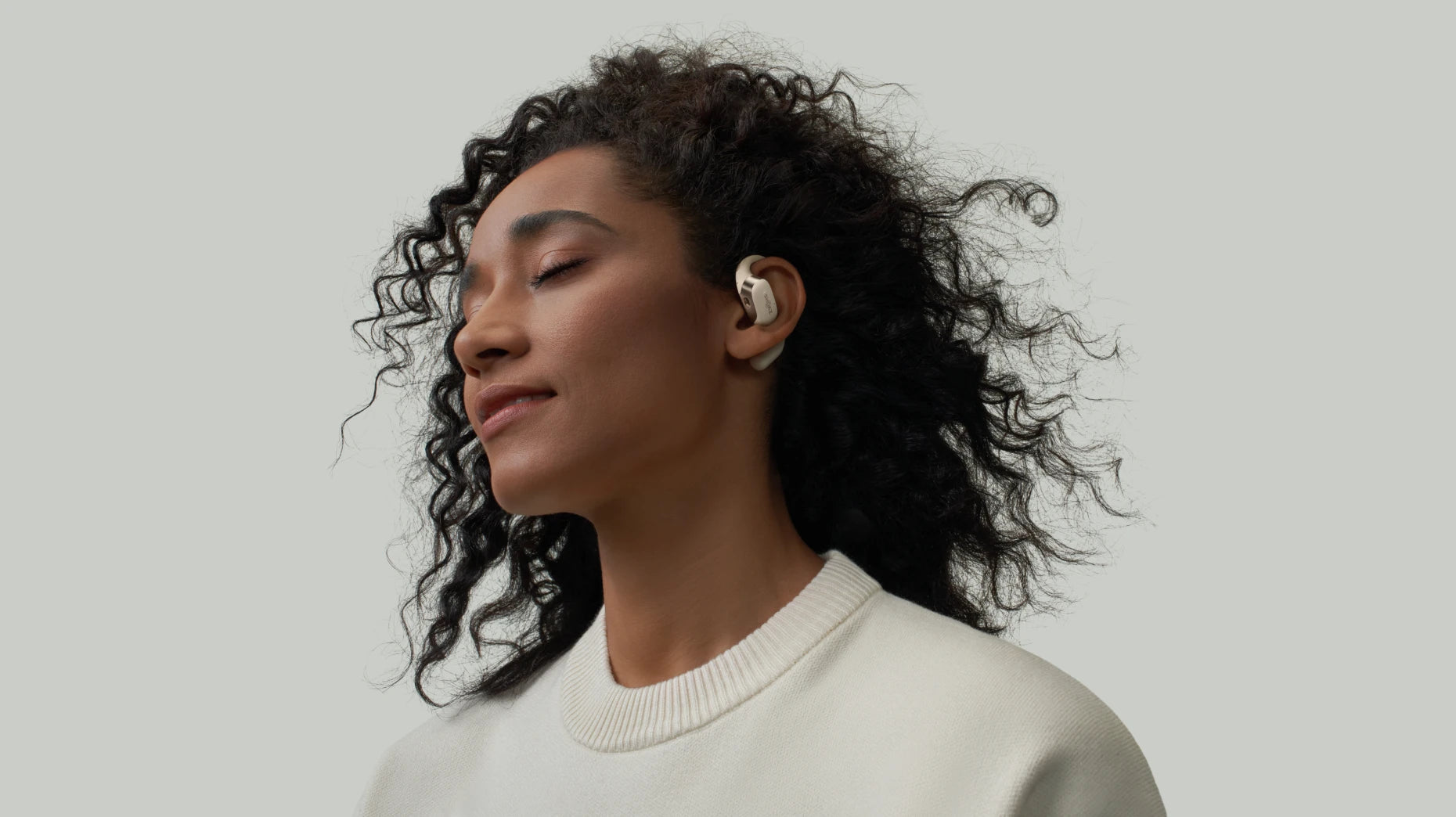
Which Headphones Are Better for Running: TWS vs. Neckbands
Choosing the right running headphones usually comes down to one major trade-off: do you prioritize the total wireless freedom of True Wireless Stereo (TWS), or the physical security of a neckband? If you’re tired of TWS earbuds slipping mid-sprint but can’t stand a bouncing neckband hitting your collarbone, you aren't alone. Real-world feedback from running communities shows just how divided the buying decision can be:
Team TWS (True Wireless):
Pro: "They fit me great. I use them for running like 3 times per week." — Reddit
Con: "I stopped using them because they keep falling out during runs." — Reddit
Team Neckband:
Pro: "VERY sweaty and they’ve held up lol." — Reddit
Con: "The front part keeps bouncing around between my chin and my collarbone." — Reddit
So, which design actually survives a sweaty, high-impact run? To help you decide, let’s break down how both form factors truly perform when the miles start adding up.
TWS vs. Neckband Comparison: Which Is More Stable for Running?
In short, TWS earbuds are ideal for quick treadmill sessions, while neckbands offer the locked-in security you need for intense outdoor runs. Here is a quick breakdown of exactly how they stack up:
| Feature / Dimension | TWS (True Wireless Stereo) | Traditional Neckband |
| Dynamic Stability | Low to Medium. Relies primarily on ear canal friction. | High. Physically anchored around the neck or ears. |
| Breathability | Low. Plugs the ear canal, trapping sweat. | Low. Plugs the ear canal, plus rubberized cables stick to a sweaty neck. |
| Distraction Level | High. Requires frequently pushing earbuds back in. | Medium. Requires managing bouncing cables. |
The technical specs in the table translate into real-world impacts on your running cadence. Here’s how each design challenges your rhythm:
1. Breaking Arm Swing: TWS and "Adjustment Fatigue"
Because TWS earbuds rely on ear canal friction, sweat easily makes them slip. Constantly reaching up to push them back in disrupts your natural arm swing, breaking both your mechanical rhythm and your mental focus during a run.
2. Shifting Balance: Neckbands and "Impact Clatter"
Poor weight distribution causes neckband cables to slap your collarbone with every step. This repetitive physical impact and noise makes you subconsciously tense up, subtly throwing off your overall running form and balance.
3. Sensory Overload: The "Plugged-Ear" Effect
Both designs seal the ear canal, trapping heat and pressure. Listening to the muffled thump of your own heartbeat rather than the road becomes a major sensory distraction, making it harder to maintain a steady, long-distance pace.
Mastering Neckband Running Headphones: From Better Fit to Better Form
If you've prioritized physical security over total wireless freedom, the neckband is your natural choice. However, trading the "drop anxiety" of TWS for the "cable slap" of a neckband isn't always a perfect fix. To ensure your gear doesn't become a distraction, you either need to master the fit of your current pair or consider a structural upgrade. Here is how to regain your focus:
Secure the "Bounce" with a Shirt Clip
The most annoying part of older neckbands is the cable slapping your chest, sending a distracting "thump" straight into your ears. Don't toss that small plastic shirt clip—use it to pin the wire to the centre of your back collar. By cinching the excess slack, you lock the battery pods in place and stop them from hammering your collarbone on every stride.
Find the Centre of Gravity
A lopsided neckband will eventually yank the earbud out once sweat makes the cable sticky. Before heading out, do a quick "shrug test"—give your shoulders a few shrugs; if the band leans to one side, it’s not balanced. Ensure the pods are symmetrical before you hit the pavement. Mid-run, a quick wipe of your neck and the wire can instantly cut that "dragging" sensation and restore stability.
A More Stable Alternative: The Titanium Wraparound Design
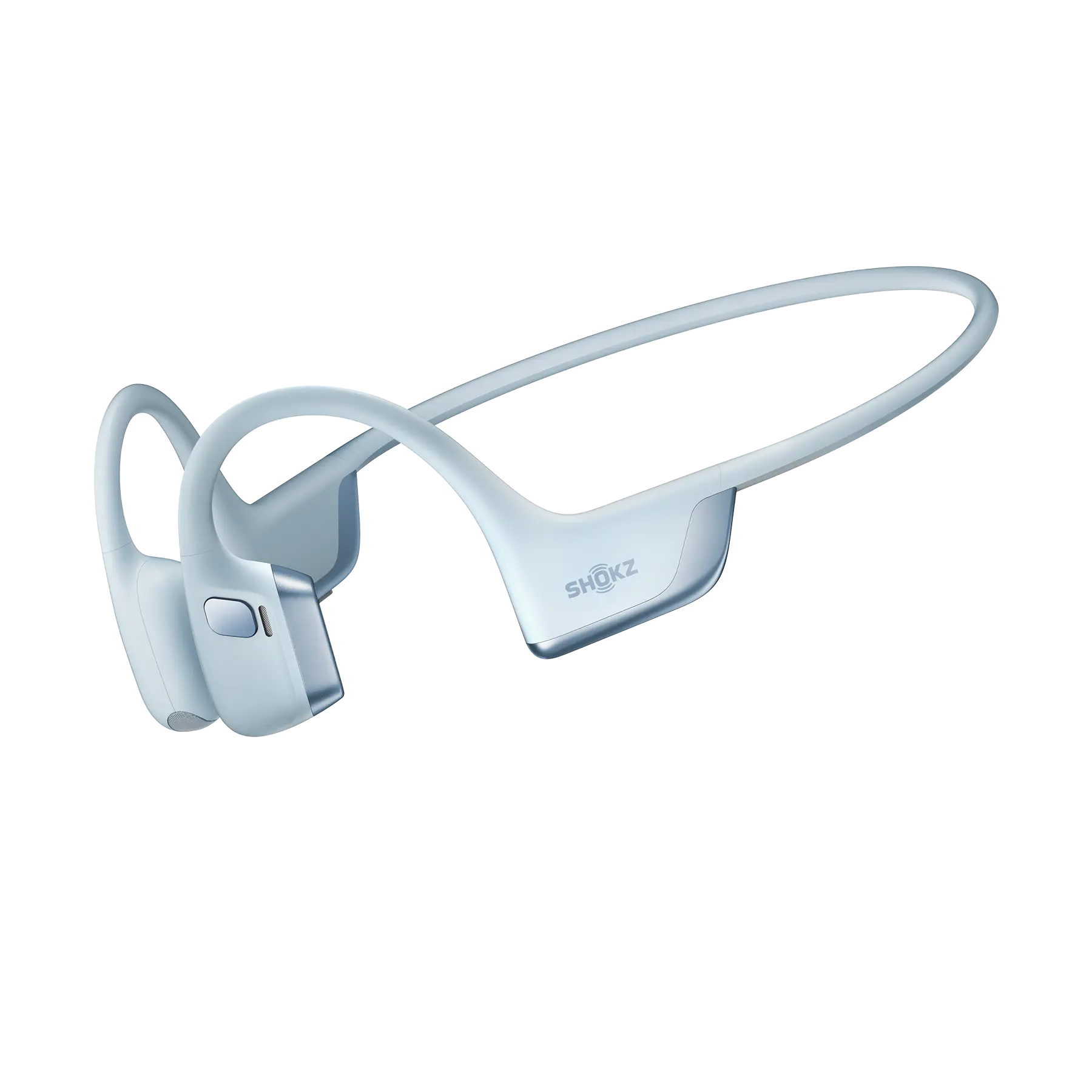
If adjusting clips and dealing with sweaty cables feels like too much work, you might prefer the stability of a wraparound frame. Instead of loose wires, the Shokz OpenRun Pro 2 uses a flexible titanium skeleton that hooks over your ears and circles behind your head.
This design is engineered to stay steady during high-intensity sprints, virtually eliminating the annoying cable slap against your collarbone. Beyond just fit, its DualPitch™ technology leverages advanced bone conduction to deliver balanced audio through an open-ear fit—keeping your ear canals dry and ensuring you stay completely aware of your surroundings, whether you're on the road or the trail.
FAQ
Q1: Will TWS earbuds inevitably fall out during sprints?
A: Not necessarily. TWS models designed specifically for sports with silicone wingtips or over-ear hooks offer a much more secure fit. However, standard stem-style TWS earbuds are generally highly prone to slipping when you sweat heavily.
Q2: Are titanium wraparound headphones comfortable if I wear glasses?
A: It depends on your frames. Wraparound headphones share space behind your ear with your glasses. If you wear thick plastic frames, it might feel a bit crowded. A good trick is to put your glasses on first, then rest the headphone hooks over the arms of your glasses.
Q3: Are traditional neckbands good for HIIT or sprinting?
A: Not usually. Explosive movements and rapid changes in direction make the cables bounce and shift even more. For HIIT, a rigid titanium wraparound frame or true wireless sport hooks are much better options.
Conclusion
Choosing your running headphones comes down to your tolerance for physical distractions. While TWS earbuds offer great portability for light use, they often require mid-run readjustments. For a secure "set-it-and-forget-it" fit, neckbands remain the superior choice. You can stabilize traditional models using the clip and balance techniques mentioned above, or upgrade to Shokz sports headphones to effectively eliminate both slipping and slapping for an uninterrupted run.
Author Information

guides on Shokz
Related Posts