
How to Choose Sports-Ready Wireless Earbuds for Every Activity — and Find Genuine Black Friday Value
Black Friday can be a good time to save on wireless earbuds, but a big discount doesn't necessarily mean the earbuds are right for your workouts.
A pair that feels comfortable at the gym may not offer the fit or listening experience you want on a road run. A design that stays in place outdoors may feel bulky with glasses or a helmet, while stronger noise isolation can make it harder to hear sounds around you. The right choice depends on how you move, where you exercise, and which trade-offs matter most to you.
Before comparing Black Friday prices, take some time to identify the features you need for your activities. This guide covers the main earbud designs, performance considerations, and shopping checks to help you find a pair that offers genuine value for your sports and outdoor routines.

Start With Your Sport and Outdoor Use Case
Running and Road Workouts: Prioritize Secure Fit, Low Weight, and Awareness
Running involves repeated impact and changes in pace and direction. Look for earbuds that stay comfortably in place during the movements you make most often. A lightweight design may also feel less noticeable during longer sessions, although fit and weight affect everyone differently.
Awareness is another consideration near roads, shared paths, and other people. Open-ear earbuds leave the ear canal unsealed, while transparency features use microphones to bring external sounds into in-ear listening. Either approach may help you hear some surrounding activity, but neither guarantees that you'll notice traffic or other hazards. Keep the volume at a level that suits your surroundings, stay attentive, and follow local rules.
The goal is to find a fit and listening setup that suits your running conditions without needing constant adjustment.
Gym and High-Intensity Training: Focus on Stability, Sweat Resistance, and Comfort
Gym workouts can involve jumping, lifting, rapid movements, and repeated head motion. Stability depends on the shape of the earbuds, how they fit your ears, and the movements involved in your training. A design that feels secure while lifting may shift during jumping or interval workouts, so assess the fit against your actual routine.
Sweat resistance is also worth checking, but it doesn't mean a product is suitable for every wet environment. Consider pressure around the ears, heat buildup, and contact with glasses or other equipment. A pair that stays in place but becomes uncomfortable during a longer session may not suit your routine as well as a design you can wear comfortably throughout your workout.
Cycling and Hiking: Balance Awareness, Wind Performance, Battery Life, and Weather Protection
Cycling and hiking can involve vehicles, other trail users, changing terrain, and unpredictable weather. Depending on your route, you may need to balance listening enjoyment with the ability to notice relevant sounds around you. Open-ear designs and transparency features offer different ways to hear external sounds, but neither replaces visual checks, attention, or compliance with local regulations.
Wind and surrounding noise can also affect what you hear. Consider whether navigation prompts, voices, and music remain clear at a comfortable volume in the conditions where you exercise. Battery life should cover your longest planned outing, with enough allowance for navigation and other audio use. For extended trips, check the product's stated weather and water protection rather than assuming that a general durability claim covers all outdoor conditions.
Water-Adjacent Activities: Verify Protection Against Rain, Splashes, and Submersion
"Water-resistant" and "waterproof" don't mean the same thing across all products. Check the IP rating and manufacturer's guidance to understand the protection offered. For example, IP68-rated earbuds may support submersion under specified conditions, but the permitted depth and duration vary by product.
If you plan to swim or submerge your earbuds, confirm that the manufacturer explicitly supports this use. An IP rating alone doesn't guarantee suitability for swimming.
Prioritize the Features That Affect Real-World Sports Performance
Which features matter most when choosing wireless earbuds for sports and outdoor activities?
Focus on the features that affect how the earbuds perform during your routine: a stable fit, lasting comfort, appropriate protection, a listening design suited to your surroundings, clear sound outdoors, sufficient battery life, and reliable connectivity.
Their relative importance depends on your activity. A feature that matters on a long hike may be less important during a short indoor workout, so prioritize the requirements that are most relevant to your conditions.
Fit and Stability: Choose Ear Hooks, Wings, Clips, or Open-Ear Designs That Resist Slipping
Fit is the first thing to consider when comparing sports earbuds.
Ear hooks, wings, clips, and other open-ear designs use different structures to position the earbuds. Each has potential advantages and limitations, and the right option depends on your ear shape, activity, and tolerance for contact around the ear. For example, Shokz OpenFit Pro features an ear-hook design that wraps around the ear, offering a more secure fit to consider for workouts and outdoor activities.
Test the fit with movements that resemble your actual routine. Earbuds that stay in place while walking may still shift during sprinting, jumping, trail running, or repeated head movement. If you wear a helmet, check whether its straps or frame interfere with the earbuds before making a decision.

OpenFit Pro
Open Earbuds with Noise Reduction and Superior Sound.
- Superior Sound with Rich Detail
- Open-Ear Noise Reduction
- Secure Fit and All-Day Comfort
- Up to 50 Hours and Wireless Charging
Comfort: Consider Pressure, Heat, Glasses, Helmets, and Long Sessions
Comfort involves more than how earbuds feel during the first few minutes. Check for pressure around the ear, heat during exercise, and contact with glasses, helmet straps, or other gear.
For longer sessions, a design you can wear comfortably may matter more than maximum isolation. Consider how easily you can put the earbuds on and take them off, too. Frequent adjustments can interrupt a workout and may indicate that the fit isn't suited to your ears or movements.
Durability and Protection: Read IP Ratings for Sweat, Rain, Dust, and Water
An IP rating describes tested protection against specified types of dust or water exposure. It isn't a general guarantee of durability, and it doesn't mean a product is protected against every outdoor condition.
If swimming is part of your routine, look for earbuds specifically designed for underwater use. For example, Shokz OpenSwim Pro features an IP68 rating and supports swimming in up to 2 metres of fresh water under specified conditions. For workouts involving sweat, rain, or splashes, check whether the product's IP rating covers the exposure you expect.
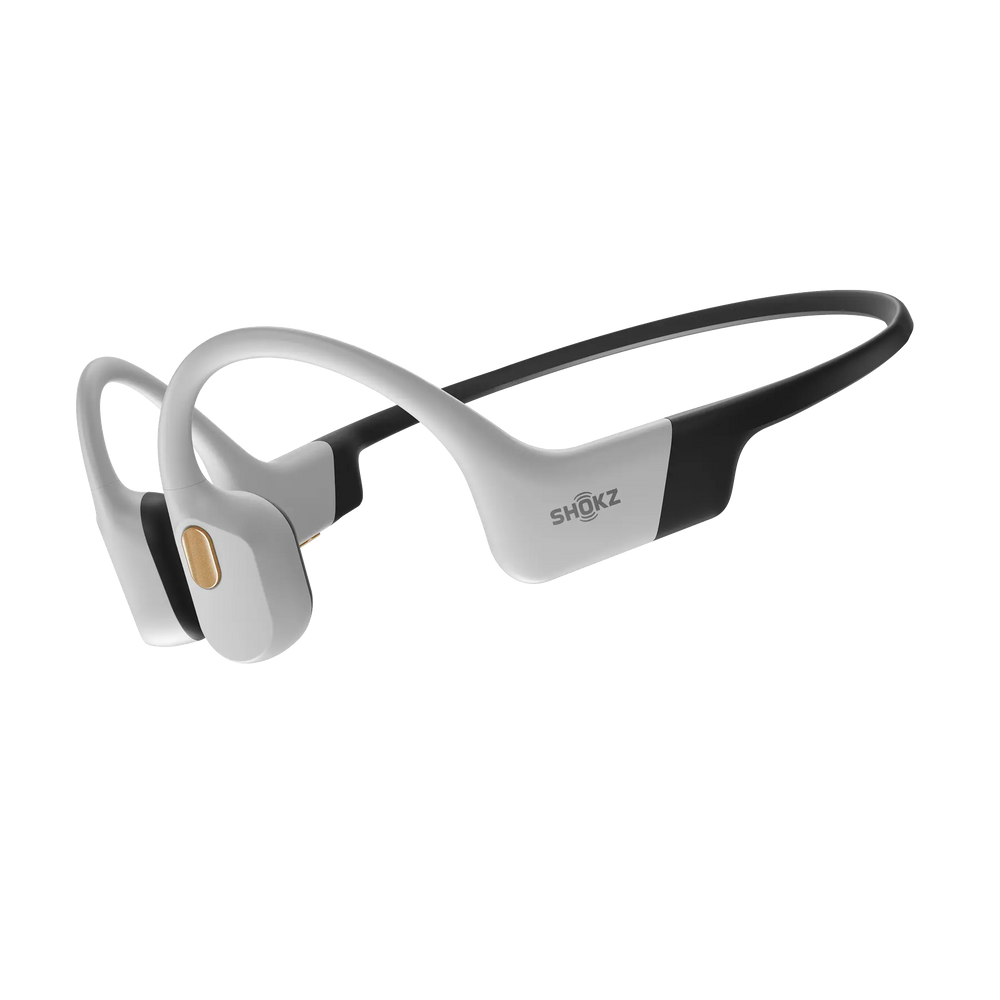
OpenSwim Pro
Bone Conduction Headphones for Swimming.
-
IP68 waterproof
- Bluetooth® + 32GB integrated storage*
- Stay aware with open ears
- Vivid sound, even underwater
Protection against one type of exposure doesn't automatically establish suitability for another. In particular, splash resistance shouldn't be treated as equivalent to protection during submersion.
Follow the manufacturer's stated conditions for use, care, and charging. When your activity involves substantial water exposure, rely on explicit product guidance rather than a vague retailer description.
Awareness and Safety: Keep Traffic, People, and Surroundings Within Earshot
Open-ear earbuds leave the ear canal unsealed, while transparency features use microphones to mix external sounds with audio from in-ear earbuds. Both approaches may help you hear some sounds around you, depending on the environment, volume, fit, and product design.
Neither approach guarantees awareness of every hazard. Keep listening levels controlled, pay attention to your surroundings, and use visual checks where appropriate. For road running and cycling, consider traffic conditions and local rules when deciding whether and how to listen. A quiet indoor workout and an outdoor route call for different listening choices.
Sound Quality Outdoors: Assess Volume, Bass, Wind Noise, and Detail
Outdoor listening is affected by wind, nearby activity, and the lack of a quiet listening environment. Consider whether voices, navigation prompts, and music details remain clear without pushing the volume to an uncomfortable level.
Open-ear and sealed in-ear designs can sound different, particularly in isolation and bass response. The result depends on the product's acoustic design, fit, and listening conditions, so neither style should be assumed to sound better in every situation.
If hearing your surroundings is a priority, reduced isolation may be an acceptable trade-off. Think about the balance you want rather than judging sound quality by bass alone.
Battery and Connectivity: Check Playback Time, Case Capacity, Charging, and Bluetooth Reliability
Compare the stated playback time with the length of your longest planned session. For earbuds with a charging case, check the additional capacity and whether quick charging is available. Remember that advertised playback figures can depend on settings and usage conditions.
Test connectivity with the phone or laptop you plan to use. Check the pairing process, connection stability, and how consistently the earbuds reconnect after storage or when switching between devices. Features such as multipoint connectivity are useful only if they match the way you use your devices.
A long battery rating or extensive feature list is less valuable if the earbuds don't connect reliably during your normal routine.
Match the Earbud Design to the Activity's Main Trade-Offs
No single design maximizes every priority. The most suitable sports-ready wireless earbuds are the ones whose advantages and limitations match the way you exercise.
In-Ear Earbuds: Stronger Isolation and Potentially Fuller Sound
In-ear earbuds sit in the ear canal and can provide greater isolation from surrounding noise, depending on their fit and design. Some models can also deliver a fuller bass presentation. These characteristics may suit indoor training or other situations where reducing external distractions is a priority.
The same isolation can be a drawback outdoors when you need to hear surrounding activity. Fit also depends on the shape and size of your ears. Multiple ear-tip sizes can help with adjustment, but they don't guarantee a secure or comfortable fit for everyone.
Open-Ear Headphones: Greater Environmental Awareness and a More Open Fit
Open-ear earbuds leave the ear canal unsealed, which avoids the plugged sensation some people experience with in-ear designs while allowing some surrounding sounds to remain audible. If you want to choose earbuds without silicone tips, they can be a practical option for running, cycling, hiking, and other outdoor activities.
Fit is another factor to consider when choosing an open-ear design. Ear hooks wrap around the ear, while ear clips offer a more compact way to wear earbuds. For those who prefer a clip-on style, Shokz OpenDots 2 combines an open-ear design with an air-conduction speaker and JointArc™ structure. Each earbud weighs approximately 6.4 g, making size and fit worth considering alongside comfort and compatibility with glasses or other workout gear.
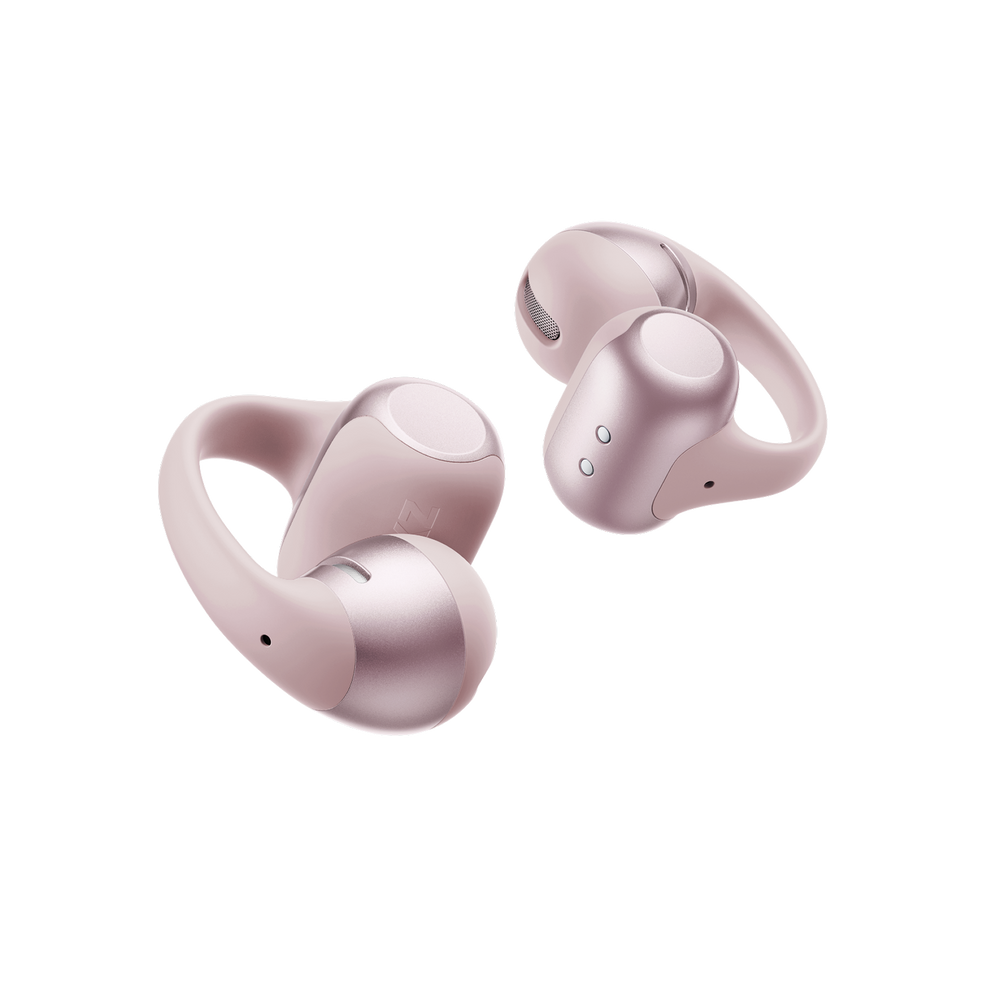
OpenDots 2
Open-Ear Clip-On Earbuds Crafted for Sound and Secure Comfort.
- Open-ear clip-on design
- Excellent sound with upgraded Dolby Audio
- Clear calls with 3 mics
- Up to 40 hours of listening and wireless charging
Decide Which Compromise Matters Most
You may need to choose between stronger isolation and access to surrounding sounds, added structure and a smaller profile, or a more open fit and the bass presentation you prefer.
Start with the problem most likely to affect your activity. For road running, fit and the ability to hear relevant external sounds may be priorities. For indoor training, comfort and appropriate sweat protection may matter more. For longer outdoor trips, battery life and weather protection may take precedence over a compact design.
The longest specification list isn't necessarily the most useful. Focus on the features that address your actual needs and the limitations you're willing to accept.
Evaluate Whether a Black Friday Deal Offers Genuine Value
Compare the Sale Price With the Product's Typical Price
A large advertised percentage doesn't, by itself, establish that a deal is worthwhile. Compare the sale price with the product's typical selling price and consider whether the reduction is meaningful for something you already need.
The relevant comparison isn't simply the sale price against the manufacturer's suggested retail price. It's whether the current price is competitive for the exact model and whether that model meets your requirements.
Confirm the Discounted Model Has the Features Your Activity Requires
Check the exact model and configuration included in the offer. A discounted pair isn't good value if it lacks the fit, protection, battery capacity, or listening design you need for your sport.
Read the product details rather than relying on a product family name or promotional image. Confirm the protection rating, included accessories, and differences between versions before deciding whether the discount is relevant to you.
Compare Similarly Priced Alternatives by Total Value
Price is only one part of value.
Compare what each option includes, whether you need additional accessories, and how the return policy affects your ability to assess comfort and stability. Warranty terms and potential replacement costs can also influence the overall value.
A lower purchase price may be less attractive if the product lacks something you need or is difficult to return after you discover a fit problem.
Check Retailer Legitimacy, Stock Condition, and Return Deadlines
Before purchasing, verify that the retailer is legitimate and that the product is accurately described as new, used, refurbished, or in another condition.
Check the return deadline, especially if you need time to assess the fit during movement. Confirm that the discount applies to the exact model and configuration shown on the product page. Different colours or configurations may come with different accessories or product details, so check the full listing.
Use a Simple Decision Rule
Buy only when the product meets your activity requirements and the sale price represents meaningful value compared with its usual selling price.
Treat the discount as the final consideration, not a reason to overlook a mismatch. If the fit, protection, listening design, battery life, or connection doesn't suit your use, a larger discount won't solve the problem.
Use a Final Sports-Earbud Buying Checklist
Will the Earbuds Stay Secure During Your Fastest or Most Repetitive Movement?
Assess the fit against your actual movements, including running, jumping, turning, and extended head motion. Consider whether glasses, helmets, and other equipment change how the earbuds sit.
Can They Handle the Expected Sweat, Rain, Dust, and Temperature Conditions?
Compare the stated protection with the conditions you expect. Don't treat splash resistance as proof of suitability for submersion, and don't assume a general durability claim covers every outdoor environment.
Can You Remain Aware of Relevant Outdoor Hazards?
Consider open-ear listening or a transparency feature when hearing external sounds is important. Neither guarantees that you'll notice every hazard, so keep the volume controlled and remain attentive to your surroundings.
Will the Battery and Connection Last for the Longest Planned Session?
Compare playback time, charging options, and case capacity with your longest workout or outing. Confirm that the earbuds connect reliably to the phone or laptop you intend to use.
Does the Black Friday Price Represent a Worthwhile Saving on a Product That Genuinely Fits the Use Case?
Count the discount as value only after checking fit, comfort, protection, listening needs, sound, battery life, and connectivity.
The strongest Black Friday deal is the one that lowers the cost of a product suited to your needs — not simply the one with the largest advertised percentage.
