Marathon Weather: Training and Racing in Heat, Cold, and Rain
When the forecast changes, marathon confidence can change with it
Marathon preparation can feel straightforward on paper: follow the training block, complete the long runs, and trust the pace plan. Weather can complicate that process. A long run in rising heat may make a familiar pace feel difficult by mile 10. A cold morning can leave your legs feeling less responsive early on. Rain can soak shoes and clothing and change how each step feels.
Those experiences can create finish-time anxiety before race day. The useful question is not whether weather matters, but how much it should change your training, pacing, and gear decisions.
How heat, cold, and rain can change perceived effort before they change finish time
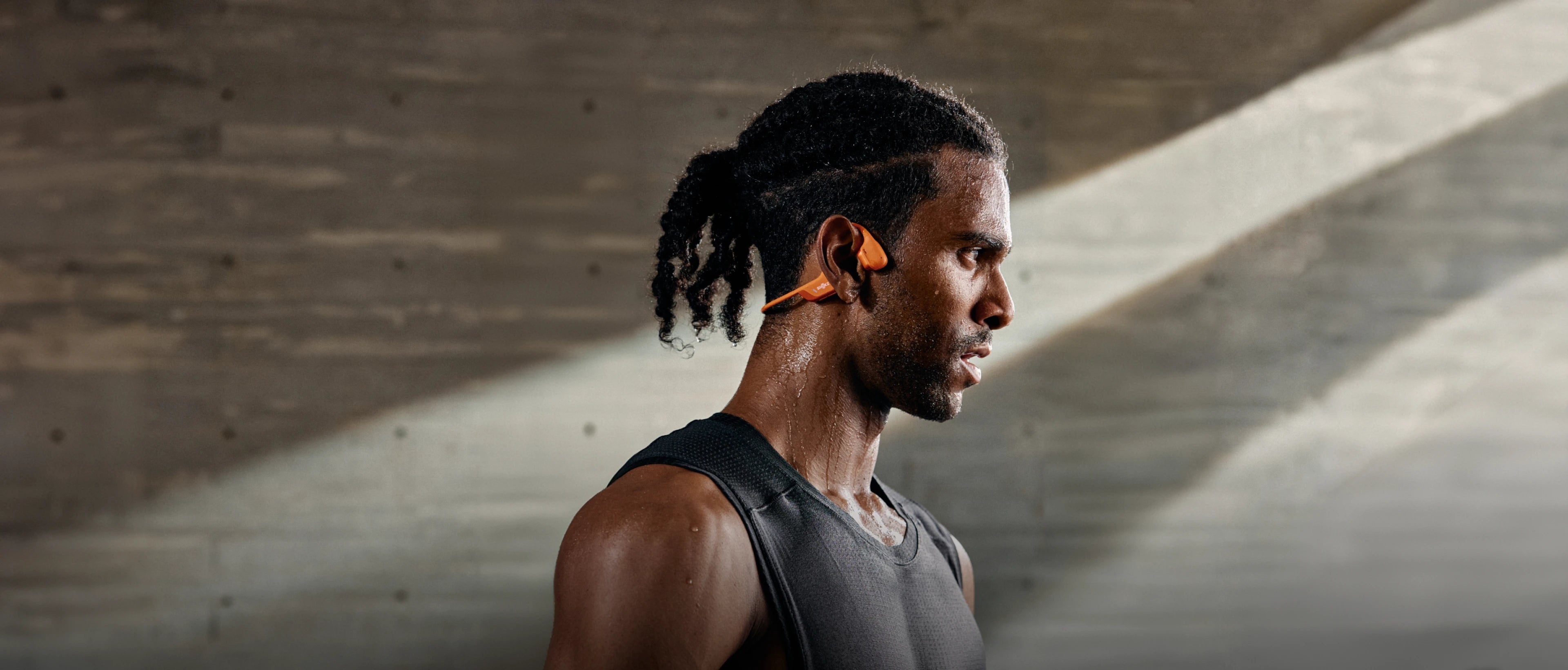
Weather often shows up first in how a run feels rather than on the clock. Heat and humidity can make a familiar pace feel more demanding. Cold conditions may affect how ready your body feels at the start, while rain can change footing, friction, and clothing comfort.
That can leave runners wondering how much to adjust after one difficult run or an unfavourable forecast. The practical goal is to recognize which conditions have changed and decide what, if anything, needs to change with them.
Why one bad long run or a difficult forecast can trigger pace questions
The questions are usually practical: Should I slow down? What should I wear? What can I still change during the final six to 10 weeks?
Once weather becomes part of the race plan, generic marathon advice becomes less useful than condition-specific decisions about effort, clothing, hydration, fuelling, and equipment.
What to decide first when weather anxiety spikes in the final six to 10 weeks
The first decision is not your exact outfit or finish time. It is whether you will follow the original pace target closely or use effort as the primary guide when conditions change.
That choice can shape long-run simulations, hydration practice, warm-up timing, and the gear you need to test in sweat, rain, cold, or wind.
Adjusting marathon pace and effort for heat, cold, and rain
Heat: when to ease off goal pace and manage early effort
Heat is one of the clearest reasons to reconsider a fixed pace target. If temperature or humidity makes breathing and effort feel more demanding in the opening miles, forcing the original pace may leave less room to respond later.
A practical approach is to start with a controlled effort and allow pace to change with the conditions. The goal is not to predict exactly how much slower you should run, but to avoid committing too early to an effort that no longer matches the environment.
Cold: when fast early splits may not tell the whole story
Cold conditions can make the opening miles feel different from a warm-weather run. The air may feel comfortable while your body is still warming up, particularly after time spent standing in a corral.
Rather than judging the opening miles by pace alone, pay attention to how freely you are moving. A longer warm-up, light mobility, and a gradual start can help you assess your actual readiness before settling into race effort.
Rain: how wet clothing, wind, and footing can change the experience
Rain can affect more than temperature. Wet fabric may create additional rubbing, wet shoes and socks can change comfort, and slick or painted surfaces may alter footing and confidence through turns. Wind can make those conditions feel more demanding.
The useful response is to focus on comfort and control rather than assuming the forecast translates directly into a specific performance impact.
Marathon weather cues to trust instead of forcing original pace
When conditions change, a few simple cues can help you decide whether the original pace still makes sense:
- Breathing rate and effort during the first 5K
- Whether your shoulders and hands remain relaxed
- Whether drinking feels comfortable and manageable
- Whether your form changes on slick or windy sections
- Whether you can still speak a short phrase early in the race
These checks give you information beyond the watch and can help you adjust effort before a weather-related change becomes a larger pacing problem.
What to wear and bring for marathon weather by condition
Heat kit: lightweight layers, anti-chafe protection, and sweat-ready choices
In hot conditions, focus on clothing that feels comfortable when wet and minimizes areas of rubbing. Lightweight tops, shorts that do not hold excessive moisture, and anti-chafe protection can be useful where fabric or skin tends to rub.
Sweat can make small clothing problems more noticeable over a long run, so race-day choices should be tested under conditions that resemble your training environment.
Cold kit: removable layers, gloves, and warm-up pieces you can shed early
Cold-weather race kits need to work both before the start and once you are running. Thin gloves, arm sleeves, a throwaway top, or a light outer layer can provide flexibility without requiring you to carry unnecessary bulk throughout the race.
The key is to distinguish between what you need while standing at the start and what you need once you are moving. Test that system during training so you know which pieces you can remove or leave behind.
Rain kit: water-resistant outer layer, sock strategy, and friction control
For rain, socks and friction control deserve as much attention as the outer layer. A lightweight water-resistant shell can be useful before the start, while during the race the priority may shift to limiting rubbing and keeping your clothing system manageable.
Use familiar shoes and test socks when wet, not only when dry. If a combination becomes uncomfortable during training, race morning is not the time to find out.
When runners start searching for gear that works with sweat, hats, or sunglasses
Accessories can become harder to manage when sweat, hats, sunglasses, and audio equipment all have to work together. Glasses may shift with sweat, while some ear-worn designs can compete for space around the ears or interfere with hats and frames.
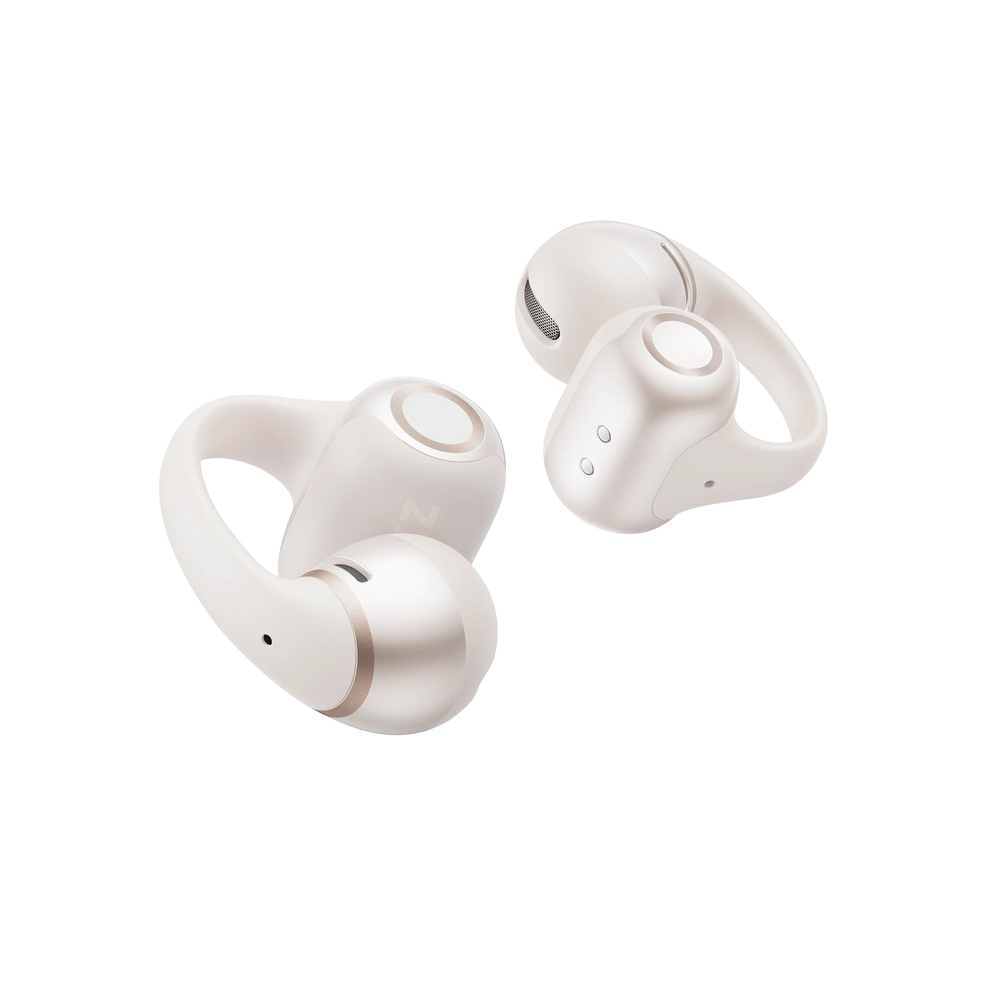
For runners who want to reduce that overlap, clip-on earbuds are another option to consider. A model such as Shokz OpenDots 2 sits on the outside of the ear rather than filling the ear canal, which can make it easier to pair with other race-day accessories. The main check is simple: test the complete setup while running, not just each item on its own.
What to pack the night before when race-morning weather could shift
Pack for the likely race conditions while keeping a small backup option available:
- Your tested race kit
- One small adjustment layer set
- Dry socks and anti-chafe supplies
- Gloves or arm sleeves if cold is possible
- A disposable pre-start layer if needed
- Hat or visor options
- A simple rain plan
If you use audio, charge it and test how it fits with the rest of your kit the night before rather than waiting until the corral.
Training adaptations once marathon weather becomes the real problem to solve
Heat acclimation in the final weeks
Heat acclimation is best treated as a gradual training process rather than a single workout or fixed formula. Repeated exposure to warmer conditions can be incorporated according to the training goal, while intensity and recovery may need to reflect how the conditions affect the session.
Trying to force cool-weather pace targets during every hot-weather workout is not necessary. The training objective, actual effort, and recovery response all matter when deciding how to modify a session.
Cold-weather preparation: warm-ups, mobility, and starting after standing still
Cold preparation is largely about arriving at the start ready to move. A longer warm-up, light mobility, and a few short pickups can help you assess how your body feels before the race begins.
It can also be useful to rehearse what happens after a pause, since race mornings may include time spent standing still before the start. The aim is to judge your opening effort based on how you are actually moving rather than temperature alone.
Rain practice: testing shoes, socks, and anti-chafe before race day
Rain preparation is mainly a testing exercise. Pay attention to which socks bunch when wet, which shoes feel less predictable on slick turns, and where seams or fabric begin to rub after an extended effort.
Those observations can guide race-day choices more effectively than making a last-minute equipment change based only on the forecast.
How hydration and fuelling shift across hot, cold, and wet conditions
Weather can change how hydration and fuelling feel during a run. Heat may make fluid management more noticeable, while cold can make thirst less obvious. Rain can also make it harder to judge how much you have been sweating because you already feel wet.
Fuelling remains part of the race plan in all three conditions, but the practical details may change. In heat, smaller and steadier intake may feel easier for some runners. In cold weather, gloves or numb hands can make gels harder to open. In rain, wet packaging can become slippery.
These are small details worth rehearsing before race day.
Comparing solution options for race-day comfort, awareness, and weather resilience
The best clothing and accessory setups usually remove decisions
Race-day gear should be familiar enough that you are not constantly adjusting it. A tested kit, one small weather adjustment, and accessories that work together can reduce the number of decisions you need to make during the race.
If something repeatedly requires fixing during training, address it before race day rather than assuming you will manage it on the course.
Open-ear running audio solutions for traffic, rain, and crowded race conditions
In running environments with traffic, cyclists, volunteers, and dense groups of runners, audio gear needs to stay comfortable without making it harder to notice what is happening around you. An open-ear design lets runners listen to music or pacing cues while keeping the ear canals unsealed, helping them stay aware of surrounding sounds during training.
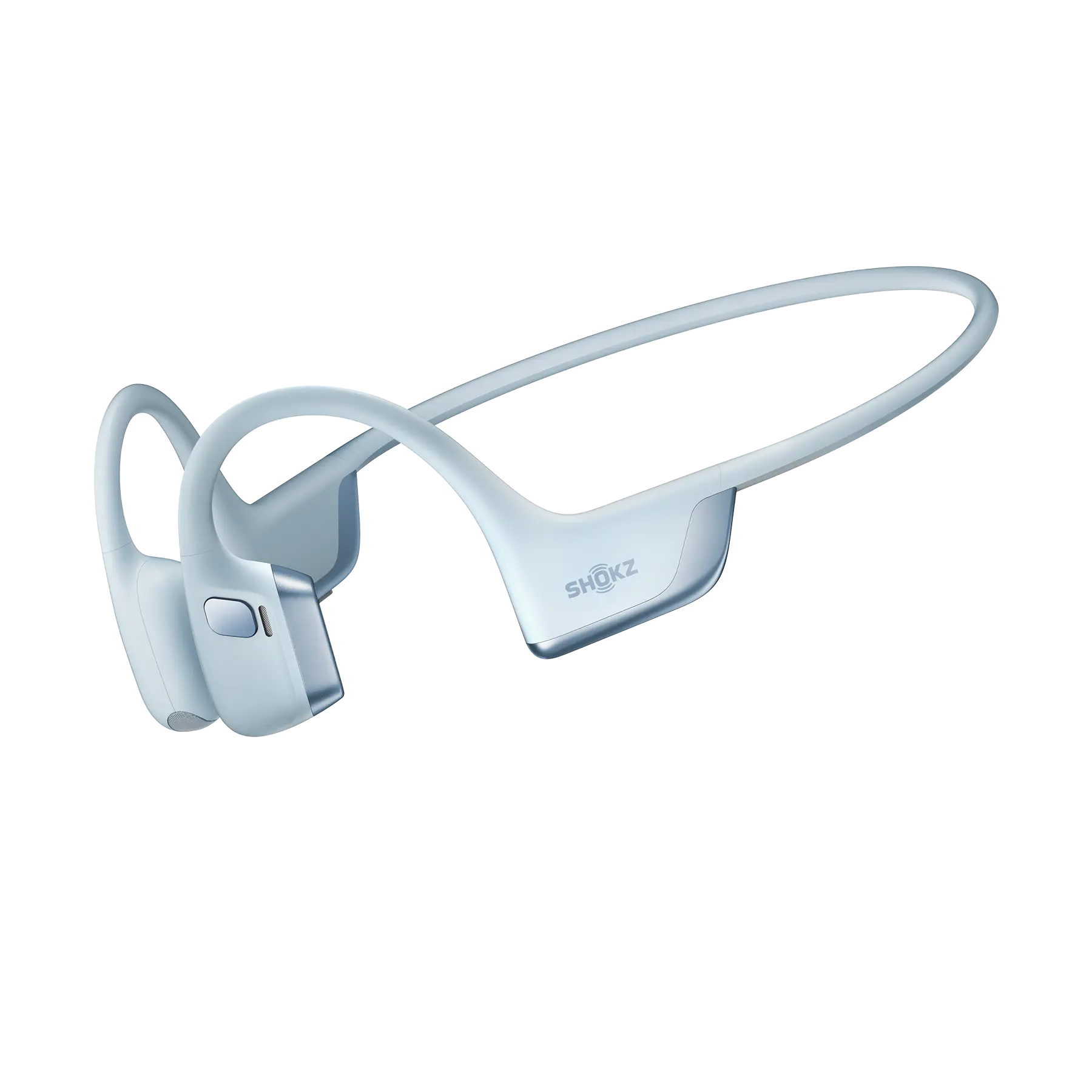
Shokz OpenRun Pro 2 is one option for this type of use. Its open-ear design combines ear hooks with an integrated neckband frame to help keep the headphones in place during movement, while the IP55 rating provides basic protection against sweat and light rain. For long training runs and outdoor running in changing weather, this format can keep audio integrated into the run without adding unnecessary distraction.
What matters most: lightweight feel, secure fit, and water resistance
The main checks are practical:
- Does it still feel comfortable after an hour, not just five minutes?
- Does it stay in place as you sweat?
- Does it remain manageable in rain and wet conditions?
- Does the design work with your level of environmental awareness?
Open-ear audio also has limitations. In very noisy environments, audio may be harder to hear at a comfortable volume. Whether that tradeoff works for you depends on the course, conditions, and how you use the device.
When extra accessories start competing for space
Every accessory has to work with the rest of the race kit. That becomes more noticeable when you add a hat, glasses, gloves, or extra layers.
Lightweight equipment can reduce some of that clutter, but the more useful test is whether the complete setup remains comfortable and stable during an actual run.
Marathon weather warning signs, race strategy changes, and finish-line decisions
Signs of heat illness, dehydration, chills, or excessive cooling you should not push through
Certain warning signs call for a change in plan rather than an attempt to maintain pace. These can include confusion, dizziness, loss of coordination, unusual chills or shivering, or other symptoms that make it difficult to continue normally.
If concerning symptoms appear, slow down or stop as appropriate and seek medical or race support. Finishing the planned distance should not take priority over responding to significant warning signs.
How to adjust start position, first 10K effort, and aid-station decisions
In difficult weather, the opening 10K may need to be more controlled than your best-case race plan. Start where you can settle into your adjusted effort without unnecessary weaving.
In heat, follow the hydration plan you have practiced. In cold, stay deliberate about your planned intake even if thirst feels different. In rain, allow yourself an extra moment when handling bottles, gels, or other equipment rather than rushing.
What to do if the forecast changes 24 to 48 hours before the race
A changing forecast does not require rebuilding the entire race plan. Recheck three areas:
- Pace expectations
- Clothing system
- Hydration and fuelling handling
Keep the rest of the setup familiar unless the conditions create a specific reason to change it.
How marathon weather adjustments support informed race-day decisions
Weather does not have to match the training forecast for you to have a workable race plan. What matters is recognizing when the actual conditions differ from your assumptions and adjusting accordingly.
Use the forecast to prepare, use training to test your gear and routines, and use your actual effort and warning signs to guide decisions on race day. The most useful adjustments are usually the ones you have already practised: modify the plan when conditions call for it, recognize when to slow down or stop, and avoid introducing untested gear or strategies at the last minute.
Author Information

guides on Shokz
Related Posts