Bone Conduction Headphones: Are They Comfortable Enough for Commuting and Work?
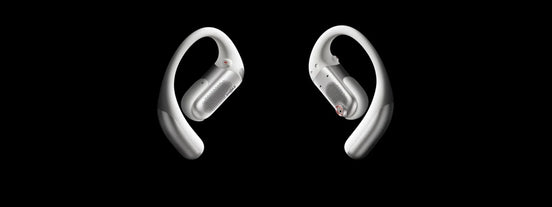
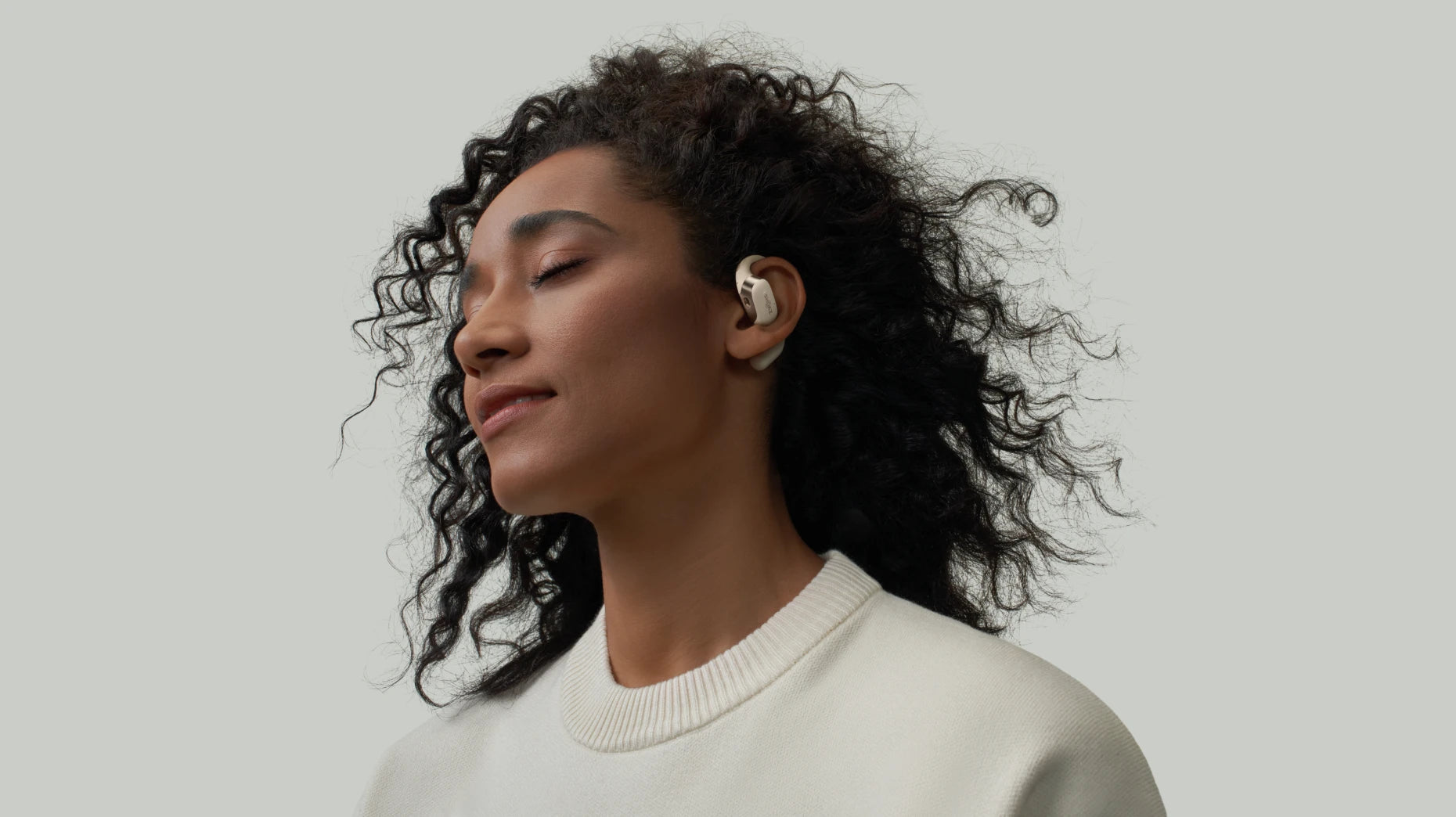
Open-ear listening isn't just for workouts anymore. Many of us want one device for train commutes, desk work, and calls without that boxed-in feeling. That's why bone conduction headphones are gaining traction.
Are they comfortable for a full workday?
Honestly, yes for many people—especially if you don't like the irritation that can come with in-ear headphones. However, long-term comfort usually depends on your head shape, listening volume, and how the frame fits. Let's break down what all-day wear can actually feel like during your daily routine.
The Real Comfort Curve of Bone Conduction Headphones
The real story with bone conduction isn't the first five minutes—it's how they feel hours later. First impressions can be deceiving, so here's what you can realistically expect.
How Sensations Shift Over Time
Instead of instant discomfort, you may simply start to notice them a little more as the hours pass. Here's a realistic look at how that can play out:
| Wear Time | The Physical Sensation | What to Expect |
|---|---|---|
| First 30 Mins | Light cheekbone pressure and faint vibration. | It may feel slightly unusual at first, but the sensation can fade into the background as you focus on work or travel. |
| At 3 Hours | Growing awareness of the contact points. | Not necessarily painful, but you may become more aware of the headset simply because it hasn't moved from your face. |
| Full Workday | Cumulative pressure or vibration fatigue. | This varies widely. Some wearers may barely notice them, while others may prefer to take a short break. |
Why Your Anatomy Changes Everything
So, why do people feel so differently about the exact same headset? It often comes down to individual head shape. Slight differences in how the band wraps around your ears can shift where the pressure points land.
That's why a coworker might wear them all day without a second thought, while you might start noticing the contact points by lunchtime. Finding a frame size that matches your head is an important part of keeping them comfortable.
Commuting with Bone Conduction Headphones: Real-World Friction Points
Commute comfort usually isn't about sitting perfectly still—it's about all those little movements. Here's how that can play out on the go.
The Collar Clash
Wraparound bands can look highly stable in gym ads, but those demos don't account for stiff jackets, winter scarves, or heavy backpack straps. When you look down at your phone or turn to check for your train, the rear band might occasionally catch on your clothing. It typically isn't painful, but that recurring bumping can keep the headset from fading into the background of your morning commute.
The Transit Noise Trade-Off
On a loud bus or subway, you might naturally turn up the volume. But with bone conduction, higher volume also means stronger vibrations around your cheekbones, which can make your face feel tired a little faster. Your fit hasn't changed—you are just asking the headset to compete with a noisy carriage, and that extra vibration can make the device harder to ignore.
The Ultimate Trade-Off: Cheekbone Contact vs. In-Ear Fatigue
Despite the occasional collar bump, these devices can stay in place whether you're rushing for the subway or grabbing a coffee. But for many buyers, the real comfort question isn't whether they're the softest headphones ever made. It's a practical choice:
Would you rather feel light pressure on your face, or have a silicone tip sitting inside your ear canal?
If traditional earbuds leave you with earaches after an hour on the train, the open-ear design may feel more comfortable than having something inside your ear canal.
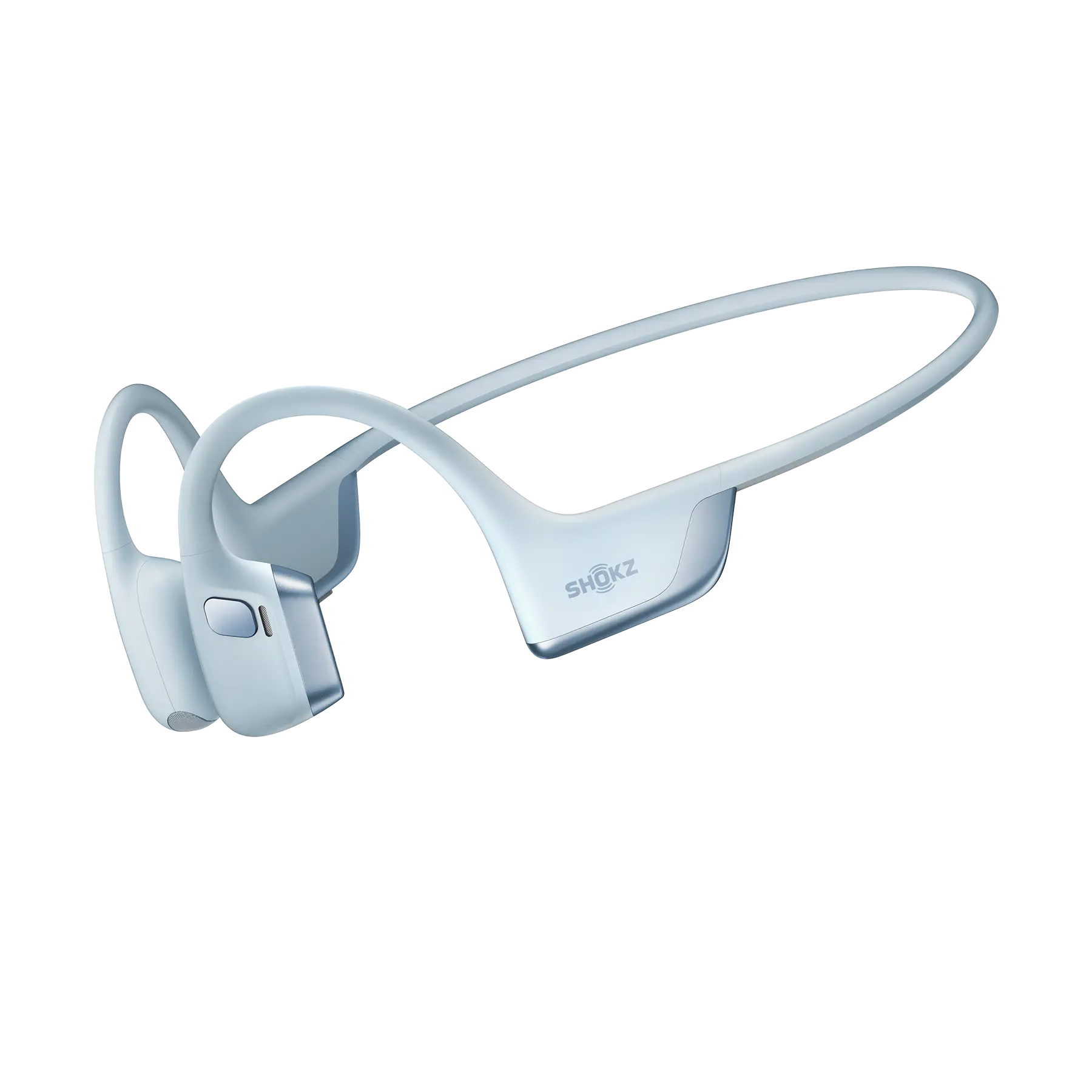
If vibration fatigue on loud commutes is a concern, the Shokz OpenRun Pro 2 uses DualPitch™ technology, combining bone conduction and air conduction to produce fuller sound with less reliance on bone-conduction vibration alone. Its 12-hour battery can cover a morning commute and a full workday for many users.
Using Bone Conduction Headphones at Work
Sitting at a desk changes the comfort experience simply because you aren't moving around as much. Prolonged stillness can make it easier to notice what you're wearing.
The "Stillness" Factor
Walking naturally distracts you, but during a two-hour focus block at your computer, you might start noticing the headset's light vibrations. It's not that the device is inherently distracting—you simply have fewer competing sensations, so you have more time to notice the frame resting on your face.
Finding All-Day Comfort
Desk wearability varies quite a bit. A coworker might forget they have theirs on, while you might start feeling a pressure point by lunchtime. Since the band isn't bouncing around while you sit, making it through a full workday comfortably often comes down to finding a frame size that fits your head without pinching.
The Sound Leakage Worry
Office comfort is also about social peace of mind. A common concern is that coworkers will hear your music or video calls. In reality, sound leakage can vary depending on the headphone design, listening volume, and how close someone is to you. Keeping the volume at a moderate level can help reduce how noticeable your audio is to people nearby.
Fit Conflicts: Wearing Bone Conduction Headphones with Accessories
Beyond transit noise and desk routines, the physical items you wear every day can play a major role in sustained comfort. Accessories aren't just a minor detail—they can affect whether these headsets work well with your daily routine.
Fortunately, layering them up is often easier than it looks. Here's a quick breakdown of how common accessories and head shapes can interact with a wraparound frame:
| The Variable | The Fit Challenge | Real-World Experience |
|---|---|---|
| Everyday Glasses | Stacking pressure behind the ear if your glasses frames are thick. | Compatibility can be good. Because the transducers sit forward, many wearers may not experience much interference. If it feels tight, slightly tilting or repositioning the headset may help relieve some of the pressure. |
| Earrings & Piercings | The rear band occasionally bumping against cartilage jewelry or long earrings. | Usually manageable, but multiple piercings can make wraparound bands feel a bit more complicated to position. If you have extensive ear jewelry, you may find individual clip-on open-ear styles easier to work with. |
| Head & Ear Size | Finding the exact right resting point for the transducers and rear band. | A smaller head can change where the weight lands. Fit is highly individual, so someone else's all-day experience won't necessarily match yours. |
The Takeaway: Will You Actually Get Used to Them?
After navigating glasses and transit noise, what happens next? It usually comes down to separating a normal adjustment period from a genuine fit mismatch.
Here's the reality for most users adjusting to bone conduction headphones:
- What fades: That unusual vibrating tickle may become less noticeable after a few days.
- What doesn't: A band that constantly catches on your collar, or pressure digging into the same spot on your face. You shouldn't feel like you have to simply "tough it out."
- When to reconsider: If turning up the volume on the bus gives you immediate fatigue, or you experience recurring head pressure during your first week, they may simply work better for shorter listening sessions with your particular head shape.
Ultimately, the goal is a seamless transition. When the fit is right, you can step off your morning train, sit down at your desk, and eventually stop thinking about the headphones. The true test isn't how they feel out of the box, but whether they can comfortably fit into your daily routine.
Author Information

guides on Shokz
Related Posts